According to THECOOLDOWN
A Rediscovery in the English Landscape
A rare species of fungus, commonly referred to as a “fairy club,” has been rediscovered in England, drawing attention from conservationists and mycologists (British Mycological Society). The finding is notable because the species had not been recorded in the region for an extended period, raising questions about its historical decline and the conditions that allowed its recent reappearance.
The rediscovery underscores how certain fungal species can persist unnoticed for years, only to re-emerge when environmental conditions become favorable. It also highlights the importance of ongoing biodiversity monitoring, even in well-studied regions such as the United Kingdom (UK Natural England).

Source: Wikimedia Commons, CC BY-SA 3.0
What Is a Fairy Club Fungus?
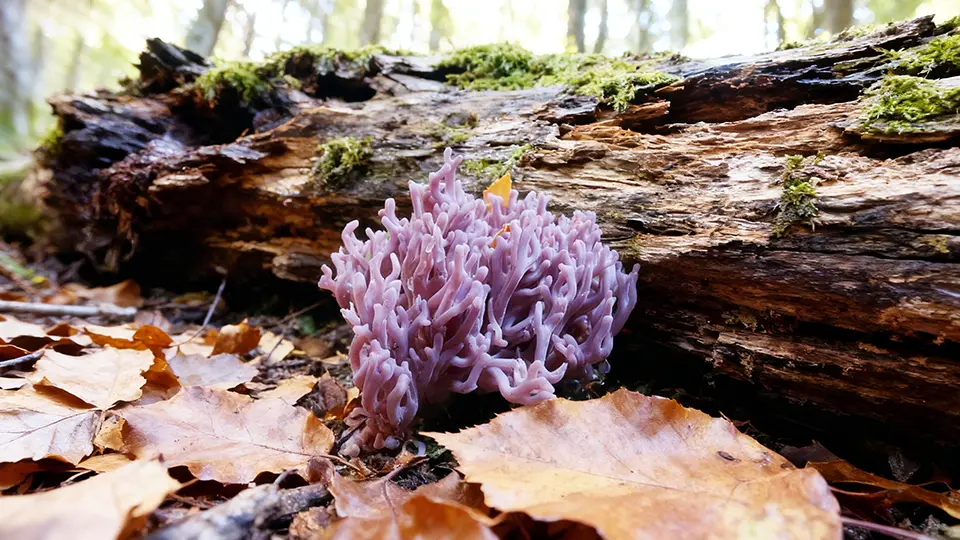
Fairy club fungi are characterized by their slender, upright, club-like structures that emerge from soil or grassland. Unlike typical mushrooms with caps and stems, these fungi grow as elongated spires, often appearing in clusters (Clavaria genus).
They are typically associated with nutrient-poor grasslands, which are themselves declining habitats due to agricultural intensification, land development, and changes in land management practices (FAO Grassland Resources).
Because of their specific habitat requirements, fairy club fungi are often considered indicators of ecological health (IUCN Indicators).
The rediscovered species belongs to a group of fungi that are sensitive to environmental changes, making their presence significant for conservation science.

Source: Wikimedia Commons, CC BY-SA 3.0
Why the Discovery Matters
The return of a rare fungal species is more than a biological curiosity. It provides insight into the resilience of ecosystems and the potential for species recovery when environmental pressures are reduced or managed effectively (UNEP Biodiversity).
Conservationists note that fungi are often overlooked in biodiversity discussions, despite their essential roles in ecosystems. They contribute to nutrient cycling, soil structure, and plant health through symbiotic relationships (Nature Education – Fungi Role).
The rediscovery therefore contributes to a broader understanding of biodiversity and emphasizes the need to include fungi in conservation strategies.
Habitat Conditions and Ecological Significance
Fairy club fungi are typically found in unimproved grasslands—areas that have not been heavily fertilized or altered by intensive agriculture. These habitats are increasingly rare, making them valuable for supporting diverse fungal communities (UK Habitat Conservation).
Such environments often host a wide range of specialized organisms, including other fungi, insects, and plant species. The presence of fairy club fungi suggests that the ecological conditions in the area remain relatively intact.
Researchers emphasize that maintaining these habitats is crucial for preserving fungal diversity and the ecological functions they support.
The Role of Grassland Conservation
The rediscovery highlights the importance of conserving traditional grasslands. Changes in land use, including the application of fertilizers and conversion to intensive farming, can disrupt the delicate balance required for certain fungal species to survive (FAO Sustainable Land Management).
Efforts to protect and restore these habitats can benefit not only fungi but also a wide range of other organisms. Conservation programs often focus on reducing chemical inputs, maintaining natural vegetation, and supporting sustainable land management practices.
By preserving these environments, it becomes possible to support species that might otherwise disappear.
Challenges in Detecting Rare Fungi
Fungi are often difficult to detect due to their seasonal growth patterns and the fact that much of their structure exists underground. Visible fruiting bodies may appear only briefly under specific conditions, making them easy to miss (Mycology Research Overview).
This characteristic contributes to gaps in scientific knowledge about fungal distribution and abundance. A species may appear to vanish from a region when it is simply not producing visible structures during observation periods.
The rediscovery of the fairy club fungus serves as a reminder of the limitations of current monitoring methods and the need for long-term observation.
Indicators of Environmental Health
Certain fungi, including fairy club species, are considered bioindicators because their presence reflects specific environmental conditions. Their sensitivity to changes in soil composition, moisture, and nutrient levels makes them useful for assessing ecosystem health (European Environment Agency).
The return of such a species may indicate improvements in habitat quality or the persistence of favorable conditions despite external pressures.
Scientists use these indicators to evaluate the success of conservation efforts and to guide future environmental management strategies.
Broader Implications for Biodiversity Awareness
The report highlights a broader issue in conservation: fungi are often underrepresented in biodiversity assessments. While plants and animals receive significant attention, fungal species are less frequently studied or protected (IPBES Global Assessment).
This imbalance can lead to gaps in understanding ecosystem dynamics, as fungi play essential roles in decomposition, nutrient cycling, and symbiotic relationships with plants.
The rediscovery of a rare fungus provides an opportunity to raise awareness about the importance of including fungi in conservation planning.
Scientific and Public Interest
Discoveries of rare or unusual species often generate interest beyond the scientific community. The term “fairy club” itself reflects the cultural and historical fascination with fungi, linking scientific observation with folklore and public imagination.
Such discoveries can help engage the public in conservation efforts by highlighting the diversity and uniqueness of natural ecosystems.
Increased public awareness can support initiatives aimed at protecting habitats and promoting sustainable environmental practices.
A Reminder of Hidden Biodiversity
The rediscovery of the fairy club fungus illustrates how much biodiversity remains hidden, even in regions that are relatively well studied. It suggests that other rare or undocumented species may still exist, awaiting discovery under the right conditions.
This perspective encourages continued exploration and documentation of fungal diversity, which is essential for understanding ecosystem function and resilience.
Looking Ahead
Researchers and conservationists are likely to continue monitoring the site where the fungus was rediscovered, as well as similar habitats, to better understand its distribution and ecological requirements.
The findings may inform future conservation strategies aimed at protecting grassland ecosystems and the species they support.
Ultimately, the rediscovery serves as both a scientific milestone and a reminder of the importance of preserving natural habitats in the face of ongoing environmental change.
References
FAO. Sustainable Land Management.
According to THECOOLDOWN