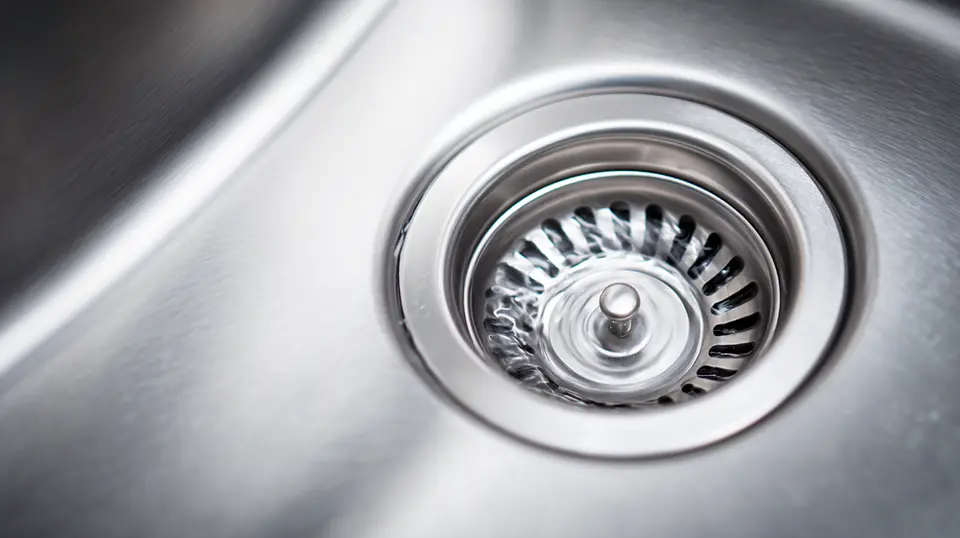
According to EXPRESS
A persistent mouldy smell coming from the kitchen sink is a common household complaint, yet one that is frequently misunderstood. According to recent reporting, the odour is rarely caused by surface dirt alone. Instead, it is usually linked to moisture, trapped organic matter, and microbial growth inside sink drains and plumbing components that are not immediately visible.
Experts note that kitchens provide ideal conditions for mould and bacteria: warmth, moisture, and a steady supply of food residue. When these factors combine, unpleasant smells can develop even in otherwise clean-looking sinks.

Source: Wikimedia Commons – File:Kitchen Sink.JPG, CC BY-SA 3.0
Why Kitchen Sink Mould Smells Develop
The mouldy or musty smell associated with kitchen sinks is typically caused by the breakdown of organic material trapped within the drainage system. Food particles, grease, soap residue, and biofilms can accumulate along the inner walls of pipes, plugholes, and U-bends / P-traps.
As this material decomposes in a damp, low-oxygen environment, it supports the growth of moulds and bacteria that release volatile compounds responsible for the odour.
Unlike visible mould on walls or tiles, sink-related smells often originate out of sight, making them harder to diagnose and eliminate.
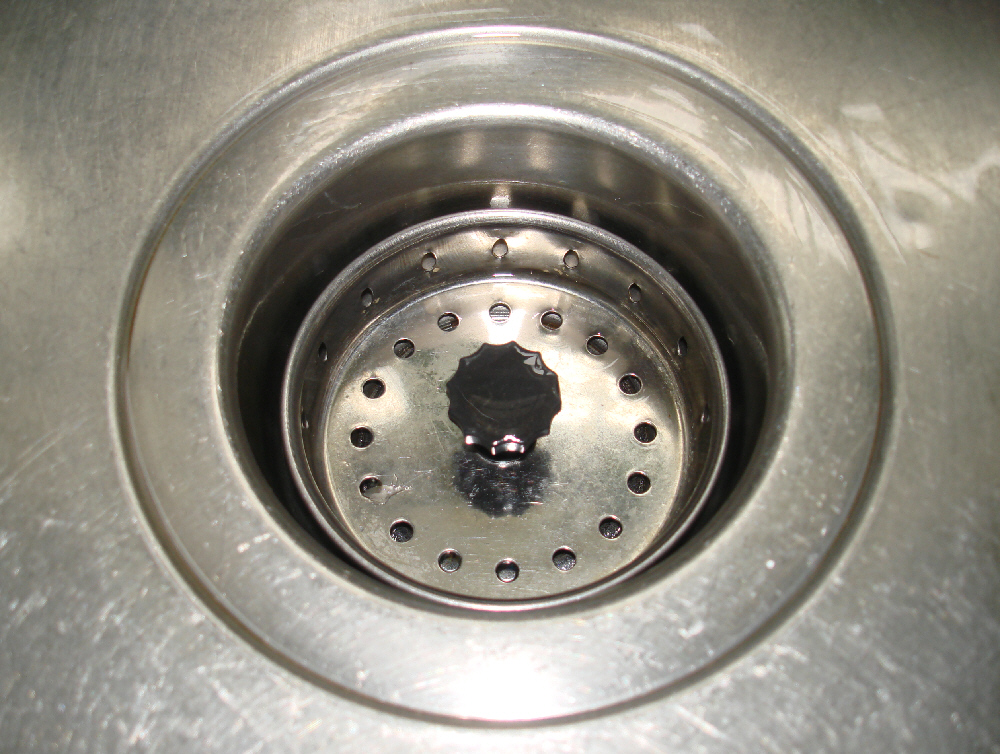
Source: Wikimedia Commons – File:Kitchen sink drain.jpg, CC BY-SA 4.0 (per file page)
Common Household Habits That Contribute to the Problem
Several everyday kitchen practices increase the likelihood of mould smells developing:
washing food scraps down the sink
pouring grease or oil into drains
infrequent cleaning of plugholes and strainers
limited use of hot water flushing
poor ventilation under sinks
Over time, these habits allow organic matter to build up, creating a persistent source of moisture and nutrients for microbial growth.
Why the Smell Can Persist After Surface Cleaning
Many people attempt to remove sink odours by wiping surfaces or using scented cleaning sprays. While this may temporarily mask the smell, it does not address the source.
Experts explain that odours persist when microbial growth remains inside the drain system. As long as moisture and residue are present, mould and bacteria continue producing odour-causing compounds, regardless of how clean the sink bowl appears.
This explains why smells often return shortly after superficial cleaning.
Cleaning Approach Highlighted in the Report
The report highlights a simple household cleaning approach aimed at breaking down organic buildup inside kitchen drains rather than treating the surface alone.
The method focuses on using hot water combined with household cleaning agents to dissolve grease and disrupt microbial films lining the pipes. By targeting the internal environment of the drain, the approach reduces both odour and the conditions that allow mould to thrive.
While the method is presented as a practical solution for mild to moderate odour issues, it is not intended to replace professional plumbing intervention for severe blockages or structural problems.
Why Moisture Control Matters
Moisture is the single most important factor in mould development. Kitchen sinks remain damp for long periods, particularly in homes where water usage is frequent and airflow is limited.
Under-sink cabinets often worsen the problem by restricting ventilation, trapping humidity around pipes and fittings. Small leaks or condensation can go unnoticed, allowing mould growth to continue unchecked.
Experts recommend regularly checking under-sink areas for moisture, leaks, or musty smells as part of routine kitchen maintenance.

Source: Wikimedia Commons – File:Leaking PVC Pipe Under Sink – P Trap (52842956605).jpg, CC BY 2.0 (per file page)
Microbial Growth Inside Drains
Drain systems support complex microbial communities. While many of these microorganisms are harmless, certain moulds and bacteria flourish when conditions are right.
Mould species commonly associated with damp kitchen environments include:
Aspergillus niger
Penicillium chrysogenum
Cladosporium herbarum
These fungi are not usually dangerous in small amounts but can contribute to unpleasant odours and poor indoor air quality when allowed to proliferate.

Source: Wikimedia Commons – File:Mixed-culture biofilm.jpg, CC BY-SA 4.0 (per file page)
Health Considerations
While a mouldy sink smell does not automatically indicate a health hazard, prolonged exposure to microbial odours can affect indoor comfort and air quality.
For individuals with asthma, allergies, or respiratory sensitivity, damp and mould-prone environments may exacerbate symptoms. Experts stress that eliminating odours is not just about comfort, but also about maintaining a healthier indoor environment.
Prevention Through Regular Drain Hygiene
Preventing mould smells requires consistent drain hygiene rather than reactive cleaning. Experts recommend:
rinsing drains with hot water regularly
removing food debris from strainers promptly
avoiding grease disposal down the sink
cleaning plugholes and U-bends periodically
ensuring under-sink areas remain dry and ventilated
These measures reduce organic buildup and limit the moisture conditions that allow mould to establish.
When to Investigate Further
If mould smells persist despite regular cleaning, the issue may indicate a deeper problem such as:
partially blocked pipes
damaged or leaking pipework
poor plumbing design
trapped sewer gases
In these cases, professional inspection may be necessary to identify and resolve the source.
Why Sink Smells Are Often Seasonal
Reports note that sink odours often worsen during colder months. Reduced ventilation, closed windows, and higher indoor humidity can intensify smells that were previously unnoticed.
Seasonal changes can also slow evaporation in drains, allowing moisture and residue to remain longer inside pipe systems.
Conclusion
Mould smells from kitchen sinks are most often caused by hidden moisture and organic buildup inside drains rather than visible surface dirt. Addressing the problem requires targeting the internal drain environment, improving moisture control, and maintaining regular hygiene practices.
By understanding the underlying causes, households can eliminate persistent odours more effectively and reduce the conditions that allow mould to thrive.
References
U.S. EPA. A Brief Guide to Mold, Moisture and Your Home.
According to EXPRESS