According to UGA TODAY
Researchers from the University of Georgia have reported new evidence that a pan-fungal vaccine can protect against Candida auris, one of the world’s most concerning emerging fungal pathogens. The findings, based on preclinical mouse models, suggest that a single vaccine strategy may offer protection against multiple life-threatening fungal infections, including those resistant to current antifungal drugs.
The study represents the latest expansion of a vaccine platform previously shown to be effective against the three most common causes of fatal fungal disease. By demonstrating efficacy against Candida auris, the research addresses a growing public health concern and reinforces calls for new preventive strategies as antifungal resistance accelerates globally.

Source: Wikimedia Commons – Candida auris SEM, CC BY-SA 4.0
Why Candida auris Poses a Serious Public Health Threat
Candida auris is a yeast that spreads readily in healthcare environments and has been linked to outbreaks in hospitals and long-term care facilities. Unlike many other fungal pathogens, it can persist on surfaces, survive routine disinfection, and spread from person to person.
The pathogen is particularly dangerous because many strains show resistance to multiple antifungal drug classes. As a result, treatment options are limited, and infections can be difficult to control once established.
Because of these characteristics, the Centers for Disease Control and Prevention has classified Candida auris as an urgent public health threat. Mortality rates can be high in vulnerable patients, especially those with weakened immune systems or invasive medical devices.

Source: Wikimedia Commons – Candida auris world map, CC BY-SA 4.0
A Vaccine Designed for Broad Fungal Protection
The pan-fungal vaccine was developed with the goal of targeting shared features across multiple fungal pathogens rather than focusing on a single species. Previous studies demonstrated protection against the three fungal pathogens responsible for more than 80% of fatal fungal infections worldwide.
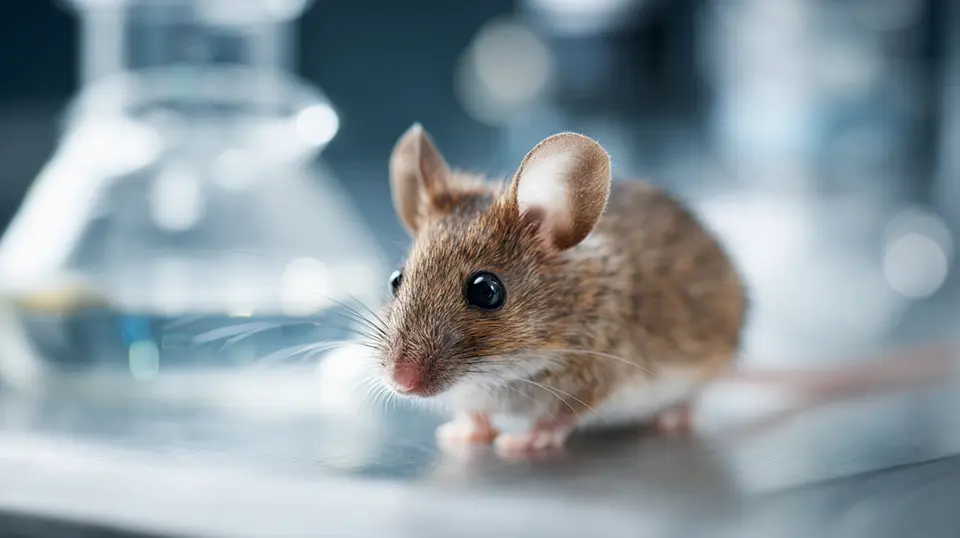
In the current study, researchers evaluated whether this same vaccine could extend protection to Candida auris. Using mouse models, they found that vaccinated animals were significantly protected against infection. Moreover, antibodies generated by the vaccine could be used therapeutically to improve outcomes in already infected mice.
This dual preventive and therapeutic potential distinguishes the vaccine from traditional approaches that rely solely on antifungal drugs.
Antibody-Mediated Protection
A central finding of the study is the role of vaccine-induced antibodies. These antibodies appear to recognize fungal components shared across species, allowing the immune system to respond effectively to different pathogens.
When infected mice were treated with antibodies derived from vaccinated animals, researchers observed improvements in both morbidity and survival. This suggests that antibody-based therapies could be deployed in acute or life-threatening fungal infections, particularly when drug resistance limits treatment options.

Source: Wikimedia Commons – Antibody antigen interaction, CC BY-SA 3.0
Addressing the Growing Crisis of Antifungal Resistance
Antifungal resistance is emerging as a major global health challenge. Fungal infections already kill millions of people each year and impose billions of dollars in healthcare costs.
Toward a ‘Universal’ Fungal Vaccine Concept
The concept underlying the pan-fungal vaccine is similar to efforts to develop broadly protective vaccines. Rather than targeting strain-specific features, the strategy focuses on conserved fungal structures that are essential for survival.
References
According to UGA TODAY