According to REUTERS
Introduction: A Fungal Threat Beneath the Soil
Beneath the sprawling, humid plantations of Southeast Asia, a quiet but devastating crisis is taking root—literally. Ganoderma boninense, a soil-borne fungus responsible for basal stem rot (BSR) in oil palm trees, is now appearing earlier than ever in the planting cycle. Once a disease mostly afflicting mature trees near the end of their productive lifespan, Ganoderma is now striking younger plantations during their second planting cycle, long before they reach peak yield.
This shift in disease pattern has sent ripples through the palm oil industry, particularly in Malaysia and Indonesia, which together produce over 80% of the world’s supply. While headlines often focus on labor shortages, price fluctuations, and environmental deforestation, Ganoderma is emerging as a slower, more insidious threat—one that may reshape the industry’s future if left unchecked.
Section 1: Early Arrival, Heavy Losses
The traditional understanding of Ganoderma’s lifecycle suggested that the disease would emerge only after three generations of planting on the same land. But in recent years, researchers and plantation managers have noticed a troubling trend: the disease is now appearing during second-cycle plantings, and in some cases, even earlier. The Malaysian Palm Oil Board (MPOB) recently conducted a large-scale survey over 1.46 million hectares of plantations and found that nearly 13.7%—approximately 199,644 hectares—showed signs of Ganoderma infection.
In terms of economic output, the impact is severe. According to plant pathologists, a 1% increase in Ganoderma infection can reduce yield by 0.5% to 0.8% per hectare. When scaled over a 25-year planting cycle, this results in a 15–20% drop in overall productivity. In high-infection zones, yields can drop by as much as 60%, depending on tree density and infection severity.
Section 2: No Cure, No Warning
The most alarming aspect of Ganoderma is the lack of a cure. Once an oil palm is infected, it enters a state of irreversible decline. The infected tree begins to rot from the base of the stem upward, eventually collapsing under its own weight. By the time symptoms become visible—such as yellowing leaves or wilting fronds—the fungus has already entrenched itself deeply within the plant’s structure.

Source: Wikimedia Commons, CC BY-SA 3.0
Detection technologies are limited, particularly for smallholders who lack access to modern diagnostic tools. A promising recent development is the use of recombinase polymerase amplification-lateral flow assay (RPA-LFA) methods, which can detect Ganoderma DNA in asymptomatic trees. However, such techniques remain costly and logistically challenging to scale, especially in remote or under-resourced regions.
Section 3: The Zero-Burning Dilemma
Historically, one of the most effective ways to combat Ganoderma was controlled burning of infected plant material. This practice helped to destroy fungal spores in the soil before replanting. But in recent years, zero-burning regulations—enacted to prevent cross-border haze and air pollution—have prohibited this approach.

Source: Wikimedia Commons, CC BY-SA 4.0
These policies, while environmentally driven and well-intentioned, have created a paradox. Without the option to sterilize soil through burning, infected wood and stumps remain in the field, providing a haven for Ganoderma to spread to newly planted palms. Thus, efforts to protect the environment from haze may inadvertently be accelerating the spread of a deadly plant pathogen.
Section 4: Smallholders on the Edge
In Malaysia, approximately 40% of oil palm plantations are operated by smallholders—farmers who often manage under 100 hectares of land. These growers are especially vulnerable to Ganoderma’s impact. Unlike large agribusinesses, they lack the capital for disease monitoring, early intervention, or replanting efforts.
One smallholder in Selangor reported that two acres of his 50-acre plantation had become infected. With no government compensation available and little access to scientific advice, he was forced to let the trees die slowly, unable to afford immediate removal and replacement. This situation is common, especially in states like Johor, Sabah, Sarawak, Perak, and Negeri Sembilan, where the infection rate is highest.

Source: Wikimedia Commons, CC BY-SA 4.0
Section 5: The Industry’s Quiet Alarm
Despite the scale of the issue, major players have largely refrained from sounding loud public alarms. Companies like Kuala Lumpur Kepong Berhad, with nearly 300,000 hectares under cultivation, acknowledge the presence of Ganoderma but are tight-lipped about its operational impact. Others, like FGV Holdings, reported a 1% infection rate but downplayed its effect on productivity.
Some industry veterans, like M.R. Chandran, a former advisor to the Roundtable on Sustainable Palm Oil (RSPO), argue that Ganoderma is the second-biggest challenge facing the industry—behind only labor shortages. Still, many investors and policymakers seem unaware of the full scale of the problem.
Section 6: Scientific Complexity and Mycology
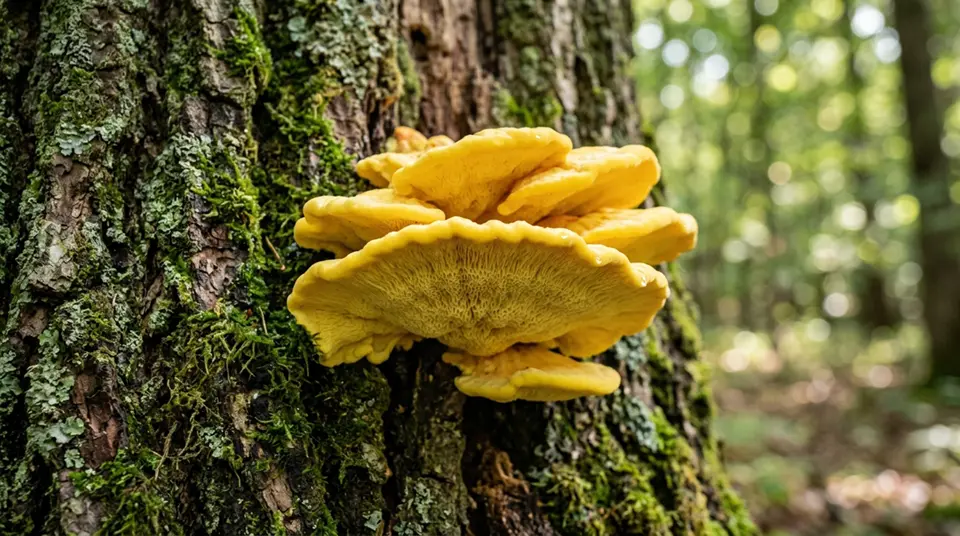
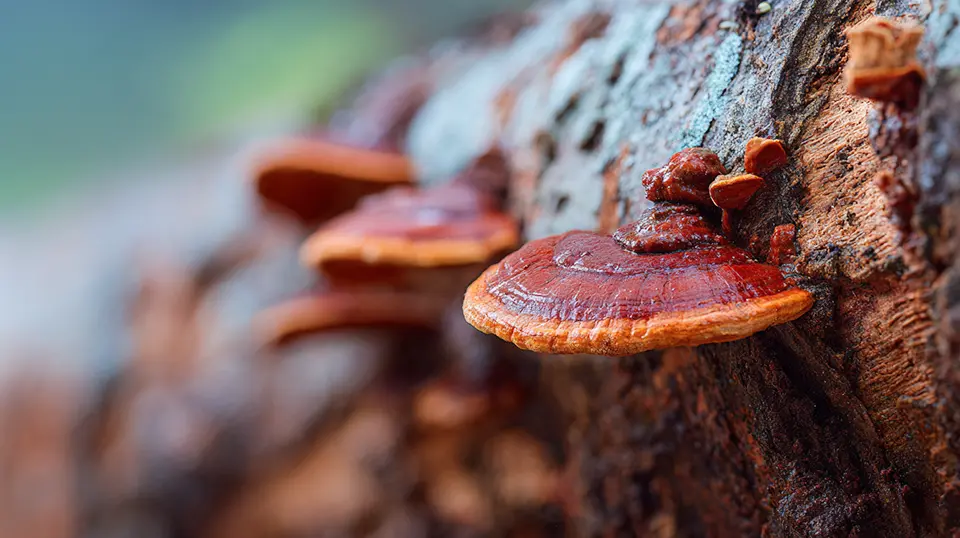
Ganoderma is not a single species but a genus of fungi with multiple pathogenic strains affecting oil palms. The most dangerous in Southeast Asia is G. boninense, though other species like G. zonatum and G. miniatocinctum are also present. These fungi are classified as basidiomycetes, a group of fungi known for their wood-decaying properties.
The complexity of their lifecycle—spore dispersal, soil survival, infection through root wounds—makes them difficult to eradicate. Scientists are investigating biological controls, such as Trichoderma spp. and endophytic bacteria, but results remain inconsistent. Genetic research into disease-resistant oil palm hybrids offers promise, but commercial availability is years away.
Section 7: A Threat to Global Supply Chains
Palm oil is a foundational ingredient in global supply chains. From cooking oils to shampoos, detergents to baked goods, it touches billions of lives daily. As Ganoderma continues to erode yields in key producing countries, ripple effects are inevitable: price volatility, supply shortages, and increased pressure on alternative oil crops like soybean, rapeseed, and sunflower.

Palm oil is the most widely-produced tropical edible oil. It’s used in a vast array of products – from ice cream and chocolates, to cosmetics such as make up and soap, to biofuel. Not only is it versatile, palm oil is also a uniquely productive crop.
Source: Wikimedia Commons, CC BY-SA 4.0
Moreover, the situation could disrupt progress on sustainability goals. With pressure mounting to avoid expanding into forested land, replanting on existing plantations is vital. But if those plantations are riddled with Ganoderma and replanting fails, producers may be tempted to clear new land—potentially reversing years of environmental progress.
Section 8: A Tipping Point—and a Choice
We are now at a tipping point. The fungus does not spread overnight, but it spreads with certainty. Every year without decisive action means more infected trees, more lost income, and more pressure on an already fragile industry.
Addressing the Ganoderma crisis requires:
- Policy Reform: A nuanced approach to zero-burning that balances environmental protection with disease management.
- Scientific Investment: Funding for early detection tools and resistant palm varieties.
- Smallholder Support: Subsidies, training, and technical resources to help rural farmers respond effectively.
- Transparency: Industry-wide cooperation and data sharing to map and respond to infection patterns.
- Public Awareness: Education campaigns to inform consumers and stakeholders about the challenges behind the palm oil they use every day.
Conclusion: Digging Deeper
Ganoderma boninense is not just a fungus. It is a mirror reflecting the vulnerabilities of modern agriculture—its overreliance on monocultures, its regulatory blind spots, and its unequal resource distribution.
If left unaddressed, this crisis could reshape not only the economics of palm oil but also the geopolitical stability of regions dependent on its export. Yet within this challenge lies an opportunity: to act early, to think holistically, and to build resilience from the ground up.
The future of palm oil—and of the communities who grow it—may very well depend on how deeply we’re willing to dig into the soil and confront what’s growing beneath.
References
Malaysian Palm Oil Board (MPOB). 2023. Ganoderma survey findings.
According to REUTERS