According to BBC
Government Programmes Under Scrutiny
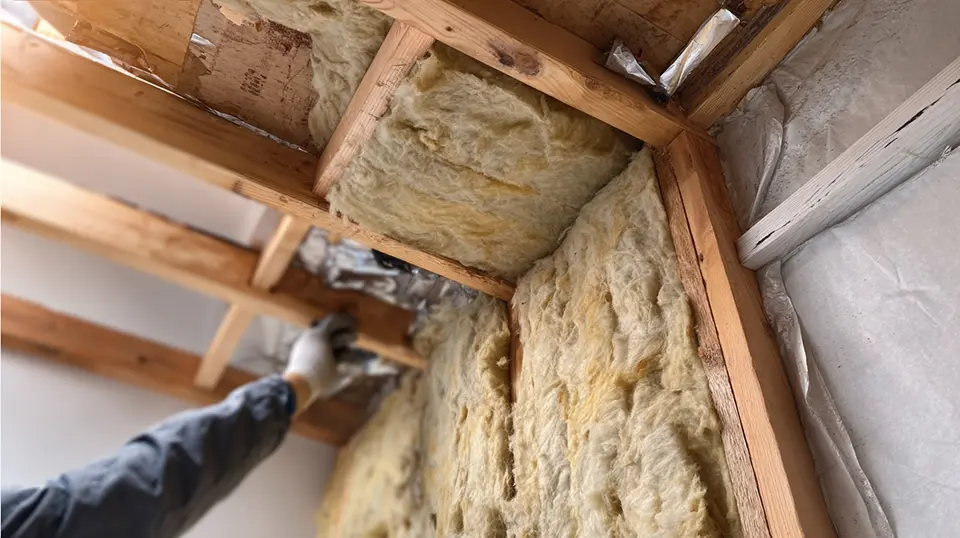
More than 30,000 homes across the UK have received faulty insulation under government-backed energy schemes, exposing occupants to damp, black mould, and building damage. An audit of 60,000 properties revealed widespread substandard work under the ECO4 and GBIS programmes, launched in 2022 to improve energy efficiency and reduce emissions.

Source: Wikimedia Commons, CC BY-SA 4.0
Insulation Intended to Save Energy Becomes a Hazard
Originally intended to lower heating costs and reduce carbon footprints, the insulation projects resulted in increased moisture retention and poor indoor air quality. Improper installation methods, combined with poor ventilation planning, created ideal conditions for mould development inside residential walls and ceilings.

Source: Wikimedia Commons, CC BY-SA 3.0
The Fungus Behind the Crisis
Stachybotrys chartarum, or black mould, has been identified as the primary fungal species resulting from these faulty installations. It flourishes in wet environments and releases airborne toxins that affect the respiratory system, immune function, and overall health—particularly in vulnerable individuals such as children and the elderly.

Source: Wikimedia Commons, CC BY-SA 3.0
Visible Damage and Structural Deterioration
In affected homes, mould growth has been accompanied by crumbling plaster, dark wall stains, and persistent musty odours. Internal moisture build-up has compromised the structural integrity of walls, ceilings, and insulation layers, rendering some living spaces unusable and unsafe.
Scope of the Audit and Its Limitations
While the audit examined 60,000 homes completed since 2022, over 260,000 UK homes have been retrofitted under various government schemes in the past 15 years. Issues linked to poor insulation were also reported in homes insulated prior to the audit window, but these have not yet been formally reviewed.
Warning Signs Were Present Earlier
Reports of damp and mould have surfaced in regions such as County Durham, where installations occurred in 2021. Despite this, current oversight only targets recent installations. The assumption that earlier work was unaffected remains unsubstantiated, prompting calls for expanded inspection.
Systemic Failures in Quality Control
Analysis suggests the root causes include inadequate installer training, poor contractor oversight, lack of ventilation guidance, and insufficient quality assurance protocols. Regulatory bodies tasked with monitoring compliance failed to prevent widespread implementation flaws, raising concerns over the efficacy of the certification process.
Health Risks of Black Mould Exposure
Black mould is not merely an aesthetic or comfort issue. Its presence is medically significant. Long-term exposure can cause chronic cough, asthma aggravation, skin rashes, and sinus infections. In confined or poorly ventilated rooms, spore concentrations may reach hazardous levels.
Cost and Complexity of Remediation
Remediating affected homes involves removing contaminated materials, applying new moisture barriers, and in some cases, reconstructing internal structures. The process is labour-intensive and costly, but essential to restoring habitable living conditions. The government has committed to covering remediation costs for affected households.
Wider Impact on Energy Policy Trust
The credibility of the UK’s home retrofit strategy has been undermined by these failures. Public trust in energy efficiency schemes is essential for achieving climate goals. The current crisis risks diminishing public participation in future green home initiatives.
Planned Reforms and Oversight Changes
The government is preparing to introduce new consumer protection measures, including enhanced installer training, mandatory post-installation audits, and improved complaint handling. Oversight agencies such as Ofgem and TrustMark are undergoing review for regulatory effectiveness and accountability.
Reporting and Public Action
Homeowners are urged to report signs of damp, mould, or insulation failure to appropriate authorities. Early detection reduces health risks and limits further building damage. Guidance is being provided for identifying moisture symptoms and navigating the remediation process.
Policy Lessons and Future Directions
The insulation crisis highlights the importance of quality over quantity in national infrastructure initiatives. Accelerated rollout should not compromise safety or building performance. Future schemes must integrate stronger safeguards, clear standards, and independent monitoring to prevent recurrence.
Environmental and Social Costs
Beyond household-level impact, this failure contributes to broader social and environmental costs. Compromised homes increase healthcare burdens, reduce energy savings, and threaten the viability of long-term sustainability policies. Integrated policy responses are required to mitigate these consequences.
Conclusion: Rebuilding Trust Through Action
The success of future retrofit and energy-efficiency programmes will depend on visible corrective action, transparency, and strong accountability mechanisms. Ensuring public confidence in government-led housing improvements will require more than promises—it demands consistent execution and measurable improvement.
References
UK Government. ECO4 energy efficiency scheme.
Ofgem. Energy efficiency oversight.
TrustMark. Consumer protection in construction.
According to BBC