According to THE CONVERSATION
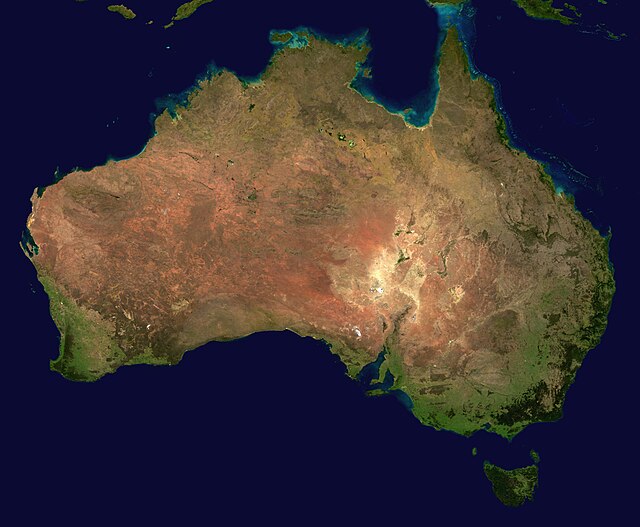
Australia is home to one of the world’s most diverse reptile populations, with hundreds of species of snakes, lizards, turtles, and crocodiles occupying ecosystems ranging from tropical rainforests to arid deserts. However, scientists have recently identified a new and concerning threat to these animals: emerging fungal diseases that are infecting wild reptile populations and in some cases causing severe illness and death.
Source: Wikimedia Commons, CC BY-SA 4.0
Recent research has revealed that previously undetected fungal pathogens are spreading among wild Australian reptiles. These pathogens infect the skin of reptiles and can lead to extensive lesions, tissue damage, and physiological stress. Because reptiles rely heavily on healthy skin for vital functions—including protection, temperature regulation, and sensory interaction with the environment—such infections can quickly become life-threatening.
The discovery emerged from wildlife health investigations conducted across multiple regions of Australia. Researchers examining reptiles with visible skin abnormalities found that the animals were infected with pathogenic fungi capable of invading skin tissues. Laboratory analysis confirmed that these infections represent emerging fungal diseases rather than isolated incidents, raising concerns about broader ecological consequences.
Fungal Diseases in Wildlife: An Emerging Global Issue
Fungal pathogens have increasingly been recognized as significant drivers of wildlife disease around the world. Over the past several decades, several high-profile fungal epidemics have devastated animal populations. For example, chytrid fungi have caused widespread declines in amphibians, while white-nose syndrome has severely affected bat populations in North America.
Scientists warn that fungal pathogens are particularly dangerous in wildlife because they can spread silently through ecosystems before symptoms become obvious. Once infections reach a critical threshold, they can rapidly cause population declines.
The newly documented fungal infections in Australian reptiles represent another example of this emerging pattern. Researchers believe that the pathogens involved may be capable of spreading between individuals and across habitats, particularly where reptiles share basking sites, burrows, or environmental resources.

Source: Wikimedia Commons, CC BY-SA 4.0
How the Fungal Infection Affects Reptiles
The fungal diseases identified in the study primarily attack the skin of reptiles. Early signs of infection often appear as abnormal patches, lesions, discoloration, or crusted scales on the animal’s body. As the infection progresses, skin damage can worsen and may interfere with essential physiological processes.
Reptiles depend on healthy skin to regulate body temperature, retain moisture, and protect against environmental hazards. Skin damage caused by fungal pathogens can therefore disrupt multiple biological systems simultaneously.
Infected reptiles may also experience reduced mobility, impaired hunting ability, and increased vulnerability to predators. In severe cases, the infections can become systemic or lead to secondary complications, eventually causing death.
Because reptiles frequently rely on external heat sources to regulate body temperature, their immune responses can also vary depending on environmental conditions. Temperature fluctuations may influence how effectively infected animals are able to fight off pathogens.
Detection and Identification of the Pathogens
To understand the nature of the disease, scientists collected samples from infected reptiles and conducted laboratory analyses. Microscopic examination and molecular testing confirmed that fungal organisms were responsible for the skin infections.
Researchers used genetic sequencing techniques to identify the fungal species involved and determine their relationship to other known reptile pathogens. These analyses revealed that the fungi belong to groups known to cause dermatological infections in reptiles and other animals.
The pathogens appear to invade the outer layers of reptile skin, disrupting tissue structure and creating lesions that can spread across the body. Such infections may worsen over time if the reptile’s immune system cannot effectively contain the fungus.
The identification of these pathogens is an important step toward understanding the disease. However, scientists emphasize that much remains unknown about how the infections spread, which species are most vulnerable, and how environmental conditions may influence outbreaks.

Source: Wikimedia Commons, CC BY-SA 4.0
Potential Ecological Consequences
Australia’s reptiles play essential roles in their ecosystems. Many species function as predators controlling insect and rodent populations, while others serve as prey for birds, mammals, and other reptiles. Disruptions to reptile populations can therefore affect entire ecological communities.
If fungal diseases become widespread, they could threaten species that are already vulnerable due to habitat loss, climate change, and human disturbance. Some reptiles have restricted geographic ranges, meaning that outbreaks in specific regions could rapidly endanger local populations.
Researchers note that reptiles are often underrepresented in wildlife disease studies compared with birds and mammals. As a result, fungal diseases affecting reptiles may have gone unnoticed for longer periods before being documented.
The new findings highlight the importance of monitoring reptile health and conducting broader surveys to determine whether the infections are spreading to additional species or regions.

Source: Wikimedia Commons, CC BY-SA 4.0
The Need for Rapid Response
Scientists stress that early detection and rapid response are essential for managing emerging wildlife diseases. Once fungal pathogens become widely established in wild populations, controlling their spread becomes extremely difficult.
Monitoring programs can help identify infected populations and track disease progression over time. Researchers also recommend expanding surveillance efforts to include different reptile species and habitats across Australia.
In addition, understanding environmental factors that influence fungal growth may help identify strategies for mitigating disease impacts. Climate conditions such as humidity and temperature can affect fungal survival and transmission.
Conservation and Research Priorities
Addressing fungal diseases in reptiles will require collaboration between scientists, conservation organizations, wildlife managers, and policymakers. Increased funding for wildlife disease research can support surveillance, diagnostics, and ecological studies.
Public awareness may also play a role. Activities such as wildlife trade, habitat disturbance, and movement of animals between regions can potentially contribute to pathogen spread. Responsible management of wildlife populations and habitats can therefore help reduce risks.
The discovery of lethal fungal infections in wild Australian reptiles serves as a reminder that infectious diseases are a growing concern in global biodiversity conservation. As scientists continue investigating the origins and impacts of these pathogens, the knowledge gained will be essential for protecting reptile populations and maintaining ecological balance.

Source: Wikimedia Commons, CC BY-SA 4.0
References
Emerging fungal threats to animal, plant and ecosystem health.
Nature.
Amphibian fungal panzootic causes catastrophic biodiversity loss.
Science.
According to THE CONVERSATION