According to ncsu
Scientists Trace the Evolutionary Battle Between Strawberries and Fungi
A recent study highlighted by North Carolina State University explores how strawberries became increasingly vulnerable to fungal parasites over evolutionary time. The research provides new insight into the long-term interaction between cultivated strawberries and fungal pathogens, revealing how certain biological traits may have unintentionally exposed the fruit to disease pressure.
The findings offer important implications for agriculture, crop resilience, and future breeding strategies aimed at protecting strawberries from destructive fungal infections.

Fungal Diseases Remain a Major Threat to Strawberry Production
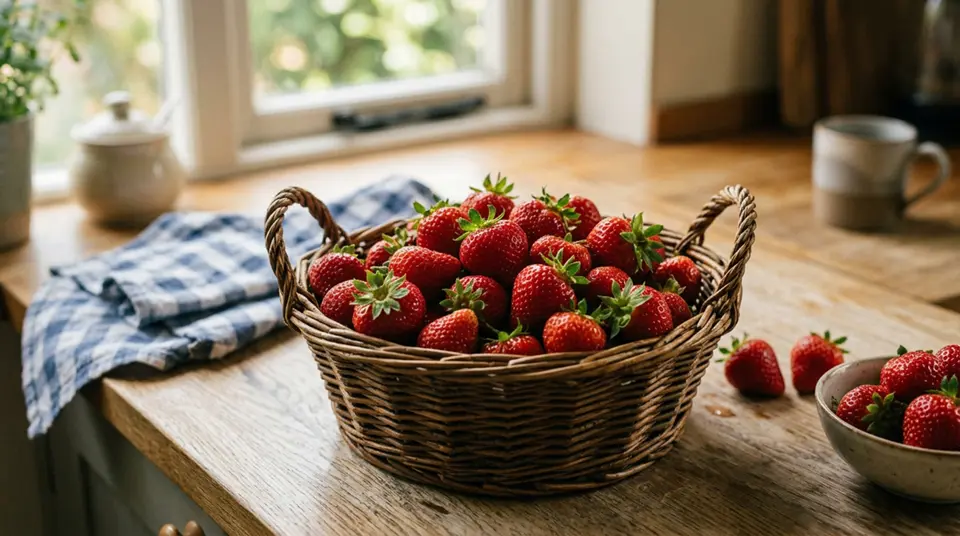
Strawberries are among the world’s most economically valuable fruit crops, but they are also highly susceptible to fungal diseases. Moist environments, dense planting systems, and delicate fruit surfaces make strawberries especially vulnerable to infection.
Fungal pathogens can affect roots, leaves, flowers, and fruit, leading to reduced yields, quality loss, and post-harvest spoilage. Farmers worldwide invest heavily in disease management to protect strawberry crops from fungal outbreaks.
The study investigates why strawberries appear particularly prone to these parasitic relationships compared to some other plant species.
Evolutionary Trade-Offs in Plant Development
According to the research, some traits that helped strawberries evolve attractive fruit and rapid reproduction may also have increased opportunities for fungal invasion.
Soft tissue, high sugar content, moisture retention, and exposed reproductive structures can create favorable conditions for fungal colonization. Over time, fungal parasites adapted to exploit these characteristics, developing increasingly specialized infection strategies.
Scientists describe this process as an evolutionary arms race, where plants and pathogens continuously adapt in response to one another.
How Fungal Parasites Infect Strawberries
Fungal pathogens spread through spores carried by wind, rain, soil, insects, or contaminated agricultural equipment. Once spores land on susceptible strawberry tissue, they can germinate rapidly under humid conditions.
Some fungi penetrate plant cells directly, while others exploit wounds or weakened tissue. The pathogens then extract nutrients from the plant, often causing rot, lesions, discoloration, or tissue collapse.
Environmental conditions such as temperature, humidity, and rainfall strongly influence infection severity and disease spread.

Genetic Insights into Disease Susceptibility
The study examined genetic and evolutionary relationships between strawberries and fungal pathogens, helping researchers identify traits associated with vulnerability.
Understanding these interactions may allow scientists to develop more disease-resistant strawberry varieties in the future. By identifying genetic factors linked to susceptibility, breeders may improve crop resilience without sacrificing fruit quality.
This approach could reduce dependence on fungicides while improving long-term agricultural sustainability.
Economic and Agricultural Impact
Fungal diseases are among the most significant challenges facing strawberry production globally. Crop losses caused by fungal infections affect farmers, supply chains, and food availability.
Post-harvest fungal spoilage is also a major concern because strawberries are highly perishable. Even after harvesting, fungal growth can continue during transportation and storage, shortening shelf life and increasing food waste.
The research therefore has practical significance beyond evolutionary biology, extending directly into agricultural management and food security.
Climate Conditions and Disease Spread
The report also highlights how environmental conditions influence fungal activity. Warm temperatures combined with moisture create ideal environments for fungal spores to germinate and spread.
Climate change may further intensify disease pressure in some growing regions by increasing humidity levels and altering rainfall patterns. This could expand the range and seasonal activity of certain fungal pathogens affecting strawberries.
Understanding how fungi adapt to environmental shifts will be increasingly important for future crop management.

The Role of Fungicides and Resistance Challenges
Farmers commonly use fungicides to manage strawberry diseases, but fungal pathogens can gradually develop resistance to chemical treatments over time.
This creates ongoing challenges for agriculture, requiring integrated management strategies that combine resistant cultivars, environmental control, crop rotation, and biological approaches.
The study’s evolutionary perspective may help researchers design more sustainable long-term solutions.
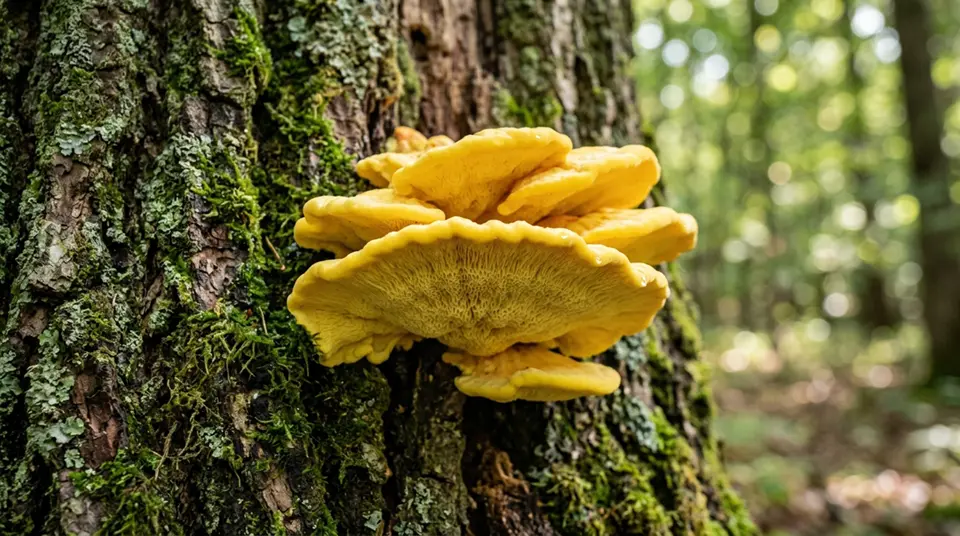
Fungi as Both Ecological Partners and Parasites
Although the study focuses on harmful fungal parasites, researchers also note that fungi play broader ecological roles in agriculture and ecosystems. Many fungi support plant growth through nutrient cycling and beneficial root associations.
The relationship between plants and fungi is therefore highly complex, ranging from mutualistic partnerships to destructive parasitism depending on species and environmental conditions.
Scientific Importance of Evolutionary Research
By examining the long-term interaction between strawberries and fungal parasites, scientists gain deeper understanding of how plant diseases emerge and evolve.
This type of research contributes to broader knowledge about pathogen adaptation, crop vulnerability, and ecosystem dynamics. It also highlights how domestication and agricultural selection may unintentionally influence disease susceptibility.
Toward More Resilient Strawberry Crops
The findings may support future efforts to breed strawberries that are better equipped to resist fungal infections while maintaining desirable fruit characteristics.
Researchers hope that combining genetic analysis with ecological understanding will improve disease management and reduce agricultural losses.
Looking Ahead
As global food systems face increasing environmental pressure, understanding plant–fungus interactions becomes more important than ever. Strawberries provide a useful model for studying how crops evolve alongside pathogens and how agriculture can adapt to emerging disease challenges.
The study ultimately reveals that fungal parasites are not simply random threats, but organisms deeply connected to the evolutionary history of the plants they infect.
References
According to ncsu