According to NEW PHYTOLOGIST
A Deeper Look into Plant–Fungus Interactions
A recent study published in New Phytologist provides new insights into how fungi influence plant growth, development, and broader ecosystem processes. The research highlights the complexity of interactions between plants and fungal organisms, revealing mechanisms that extend beyond traditional understandings of symbiosis.
Fungi are increasingly recognized not just as decomposers or pathogens, but as active regulators within plant systems. Their interactions with roots and surrounding soil environments play a critical role in shaping plant health and ecological balance.

Fungi as Drivers of Nutrient Exchange
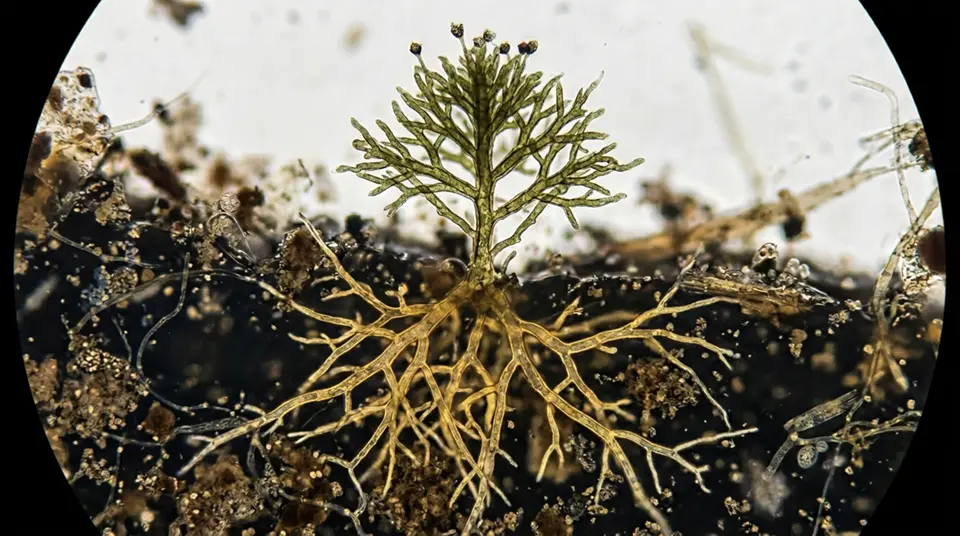
One of the central findings of the study is the role fungi play in facilitating nutrient exchange. Through intricate networks formed in the soil, fungi can transport essential nutrients such as nitrogen and phosphorus to plant roots.
These underground networks, often referred to as mycorrhizal associations, effectively expand the plant’s ability to access resources. In return, plants supply fungi with carbon compounds produced through photosynthesis, creating a mutually beneficial relationship.
This exchange system enhances plant growth while contributing to soil fertility and ecosystem stability.

Influence on Root Architecture and Growth Patterns
The research also highlights how fungi can alter plant root systems. By interacting with root tissues, fungi can influence root branching, length, and overall structure. These changes enable plants to explore soil more efficiently, improving their ability to absorb water and nutrients.
Such modifications are particularly important in environments where resources are limited. By optimizing root architecture, fungi help plants adapt to challenging conditions, including nutrient-poor soils and variable moisture levels.
Beyond Symbiosis: Complex Ecological Roles
While mutualistic relationships are a key focus, the study emphasizes that plant–fungus interactions are not always straightforward. Fungi can exist along a spectrum ranging from beneficial to neutral to harmful, depending on environmental conditions and species involved.
This dynamic relationship underscores the complexity of ecological systems. Rather than fixed roles, fungi and plants engage in interactions that can shift over time, influenced by external factors such as climate, soil composition, and biological competition.
Implications for Ecosystem Functioning
The findings have broader implications for understanding ecosystem processes. Fungal networks contribute to nutrient cycling, soil structure, and plant community dynamics. By connecting multiple plants, these networks can influence how resources are distributed across ecosystems.
In some cases, fungi facilitate communication between plants, allowing them to respond collectively to environmental stress. This interconnected system highlights the importance of fungi in maintaining ecological resilience.
Relevance to Agriculture and Sustainability
The insights gained from this research are particularly relevant for agriculture. By leveraging beneficial fungi, farmers may be able to enhance crop productivity while reducing reliance on chemical fertilizers.
Understanding how fungi influence plant growth can support the development of more sustainable farming practices. These approaches aim to work with natural biological systems rather than relying solely on external inputs.
Such strategies may improve soil health, increase efficiency, and reduce environmental impact, aligning with global efforts toward sustainable food production.

Environmental Change and Fungal Dynamics
As environmental conditions continue to change, the role of fungi in ecosystems may become even more significant. Climate change , soil degradation, and land-use shifts can all affect fungal communities and their interactions with plants.
The study suggests that understanding these dynamics is essential for predicting how ecosystems will respond to future challenges. Fungi may either mitigate or amplify the effects of environmental change, depending on how these interactions evolve.

Advancing Scientific Understanding
The research represents a step forward in uncovering the mechanisms underlying plant–fungus relationships. Advances in molecular biology and ecological modeling are enabling scientists to explore these interactions at greater depth.
By integrating data across disciplines, researchers are building a more comprehensive picture of how fungi influence biological systems. This knowledge is critical for both scientific advancement and practical applications.
A Hidden Network Beneath the Surface
Much of the activity described in the study occurs out of sight, within the soil. Yet these hidden networks have profound effects on visible plant growth and ecosystem health.
Recognizing the importance of these underground processes shifts the focus from above-ground observations to a more holistic understanding of environmental systems.
Looking Ahead
The findings underscore the need for continued research into fungal biology and its applications. As scientists deepen their understanding of these interactions, new opportunities may emerge in agriculture, conservation, and environmental management.
Fungi, once considered secondary players, are now seen as central components of ecological systems. Their ability to shape plant growth and influence ecosystem dynamics positions them as key factors in addressing some of the most pressing environmental challenges of our time.
References
According to NEW PHYTOLOGIST