According to NJ.COM
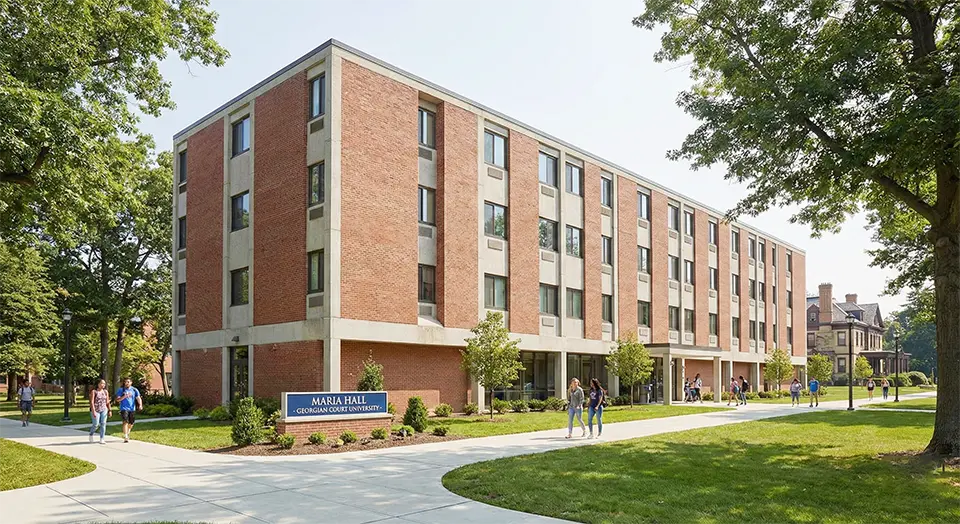
A New Jersey university has temporarily closed a dormitory and relocated more than 100 students after identifying a mold problem inside the residential building. University officials stated that the decision was made out of caution, citing concerns about indoor air quality and student well-being.
The incident has drawn attention to the challenges universities face in maintaining aging residential facilities, particularly as climate conditions, building use patterns, and deferred maintenance increase the risk of moisture-related problems.
Discovery of the Mold Issue
University officials reported that the mold problem was identified following complaints from students and subsequent inspections of the residence hall. While visible mold growth was not initially widespread, further assessment revealed conditions consistent with moisture intrusion and microbial growth in parts of the building.
Out of an abundance of caution, administrators decided to vacate the dormitory rather than attempt partial remediation while students remained inside. More than 100 residents were relocated to alternative housing while remediation efforts were planned.
Officials emphasized that the closure was a preventive measure, not a response to confirmed widespread illness.
Why Mold Develops in Dormitory Buildings
Dormitories are particularly vulnerable to mold growth due to a combination of structural and behavioral factors. High occupancy, shared bathrooms, frequent water use, and limited individual control over ventilation create conditions where moisture can accumulate.
In older buildings, aging plumbing, roof leaks, and outdated ventilation systems further increase risk. Even small leaks or condensation can create damp environments behind walls, under flooring, or within HVAC systems—areas that are not immediately visible to occupants.
Experts note that mold problems in dormitories often develop gradually and may go unnoticed until complaints arise.

Source: Wikimedia Commons – File:Dormitory_bathroom.jpg, CC BY-SA 3.0
Health Concerns and Precautionary Measures
Mold exposure can affect individuals differently. While many healthy adults may experience no symptoms, others can develop respiratory irritation, allergic reactions, or worsening of pre-existing conditions such as asthma.
University officials stated that there were no confirmed cases of serious illness directly linked to the dormitory at the time of closure. However, public health guidance supports removing occupants from mold-affected environments when indoor air quality cannot be assured.
Relocation of students was framed as a precautionary measure designed to minimize potential exposure while allowing remediation work to proceed safely.
The Relocation Process
Students were temporarily reassigned to other on-campus housing and, in some cases, nearby accommodations. University administrators acknowledged the disruption caused by the move and said efforts were made to minimize academic and personal impacts.
Support services were offered to affected students, including assistance with moving, academic accommodations, and access to health resources. Officials stated that communication with students and families remained a priority throughout the process.
Institutional Responsibility and Infrastructure Challenges
The dormitory closure highlights broader issues facing higher education institutions nationwide. Many campuses rely on residence halls built decades ago, often with infrastructure that was not designed to meet modern occupancy levels or climate conditions.
Deferred maintenance, budget constraints, and competing priorities can allow small moisture issues to escalate into larger problems. Experts stress that mold is rarely a sudden event; it is usually the result of prolonged moisture exposure.
Universities are increasingly being urged to adopt proactive building monitoring and preventive maintenance strategies rather than reactive responses.
Mold Remediation and Next Steps
University officials indicated that remediation plans would include a thorough assessment of the building’s ventilation, plumbing, and structural components. Mold remediation typically involves removing contaminated materials, addressing moisture sources, and ensuring proper drying and airflow.
Independent environmental assessments are often used to verify that indoor conditions meet safety standards before reoccupation. No timeline was publicly confirmed for reopening the dormitory, pending the outcome of remediation efforts.
Common Indoor Molds Found in Residential Buildings
Although the university did not publicly identify specific mold species, indoor residential mold problems commonly involve fungi such as:
- Aspergillus niger
- Penicillium chrysogenum
- Cladosporium herbarum
- Alternaria alternata
- Stachybotrys chartarum
These molds thrive in damp indoor environments and are frequently associated with water intrusion, condensation, and poor ventilation.

Source: Wikimedia Commons – File:Indoor_mold_growth.jpg, CC BY-SA 4.0
Legal and Regulatory Context
In many jurisdictions, universities are subject to health and safety standards governing residential facilities. While mold is not always regulated by specific numerical exposure limits, institutions are generally required to provide housing that does not pose unreasonable health risks.
Proactive relocation, as seen in this case, may help reduce liability and demonstrate due diligence. However, prolonged displacement or repeated incidents can raise questions about infrastructure investment and oversight.
Student Housing and Climate Factors
Climate variability is increasingly recognized as a factor in indoor mold risk. More frequent heavy rainfall, humidity fluctuations, and temperature swings can stress building envelopes and HVAC systems.
Dormitories that were once considered adequate may now face higher moisture loads than originally anticipated. Experts suggest that climate adaptation strategies should be incorporated into campus facilities planning.
Conclusion
The closure of a New Jersey university dormitory due to mold concerns underscores the importance of proactive building maintenance and transparent communication in student housing. While no serious health outcomes were reported, the decision to relocate students reflects growing awareness of indoor environmental risks.
As universities continue to manage aging infrastructure under changing environmental conditions, mold prevention and moisture control are likely to become increasingly central to campus health and safety planning.
References
U.S. EPA. A Brief Guide to Mold, Moisture, and Your Home.
U.S. EPA. Mold Remediation in Schools and Commercial Buildings.
According to NJ.COM