According to UC SAN DIEGO
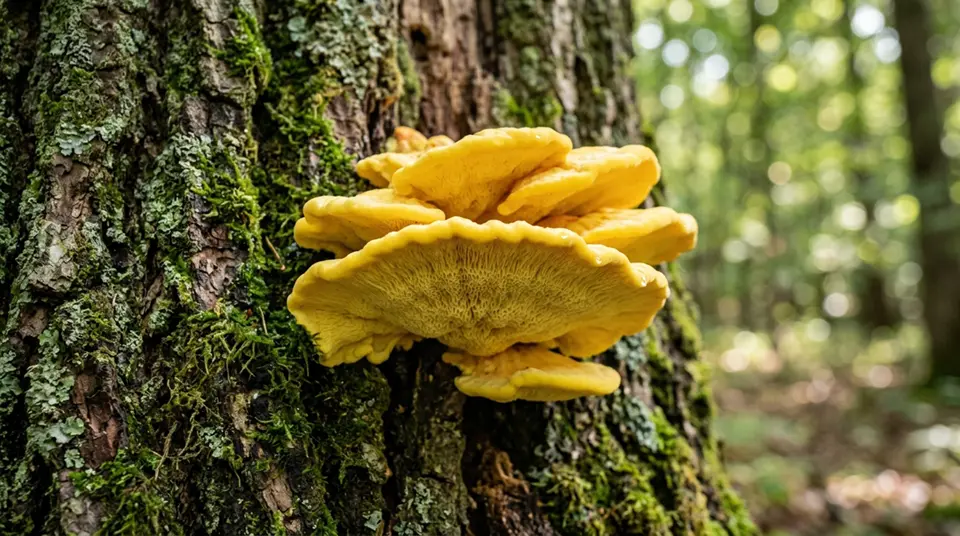
Scientists have long studied fungi for their ability to produce biologically active compounds that influence human health. A recent study conducted by researchers at the University of California, San Diego suggests that compounds derived from a natural fungal supplement may help strengthen the immune response generated by COVID-19 vaccines. The findings contribute to a growing body of research exploring how nutritional or microbial supplements may interact with the human immune system.
The study examined whether a fungal-based dietary supplement could influence immune activity in individuals receiving COVID-19 vaccination. Researchers observed that participants who took the supplement developed higher antibody responses compared with those who did not receive the compound. The results indicate that certain fungal metabolites may play a supportive role in shaping the body’s immune reaction to vaccination.

Source: Wikimedia Commons, CC BY-SA 4.0
Vaccines work by training the immune system to recognize and respond to pathogens such as viruses or bacteria. When a vaccine is administered, the body produces antibodies and activates immune cells capable of recognizing specific viral proteins. The strength and duration of this immune response can vary depending on factors such as age, health status, and genetic differences. Scientists have therefore been exploring ways to optimize vaccine responses and improve protection against infectious diseases.
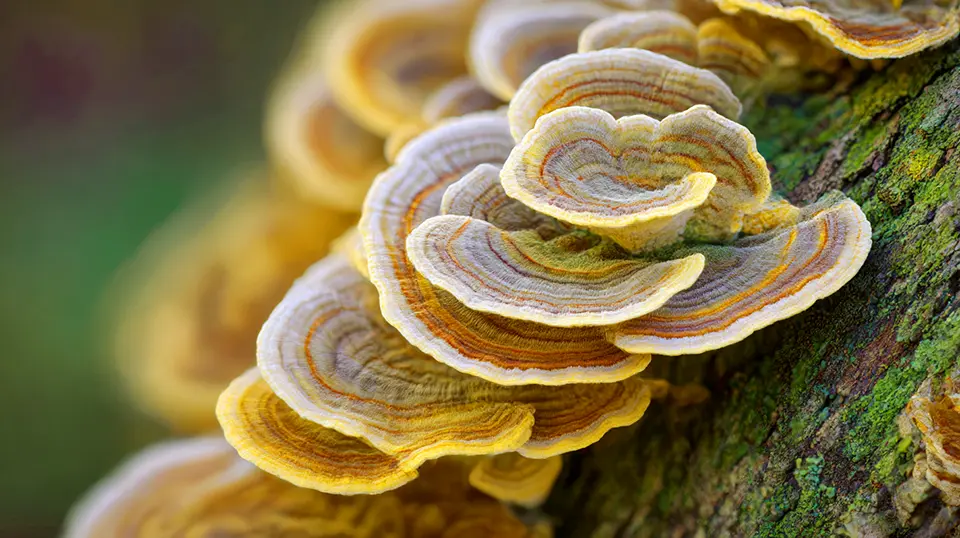
The fungal supplement investigated in the study contains β-glucans, naturally occurring polysaccharides found in the cell walls of many fungi, yeasts, and certain plants. β-glucans are known to interact with immune cells such as macrophages, dendritic cells, and natural killer cells. Through these interactions, they can influence immune signaling pathways and modulate immune responses.
Previous research has shown that β-glucans may enhance the body’s innate immune system defense mechanisms. Unlike the adaptive immune system, which develops specific antibodies against pathogens, the innate immune system provides a broad and rapid first line of defense against infections. Some scientists have proposed that β-glucans can “train” the innate immune system, improving its readiness to respond to pathogens.
In the clinical trial, researchers recruited participants who were scheduled to receive COVID-19 vaccines. Some individuals were given the fungal-derived supplement while others served as a comparison group. Blood samples were collected over time to measure immune markers, including antibody levels against the SARS-CoV-2 virus.

Source: Wikimedia Commons, CC BY-SA 4.0
The results showed that individuals receiving the supplement demonstrated stronger antibody responses after vaccination. These findings suggest that fungal β-glucans may help amplify immune activity triggered by the vaccine. Although the supplement does not replace vaccination, the researchers suggest it may function as an immunomodulatory aid that supports vaccine effectiveness.
The biological mechanisms behind this effect are still being investigated. Scientists believe β-glucans interact with immune receptors located on the surface of immune cells. These receptors, including pattern recognition receptors such as Dectin-1, recognize components of microbial cell walls. When β-glucans bind to these receptors, they can stimulate immune signaling pathways that promote immune cell activation.
Another possible mechanism involves enhanced communication between innate and adaptive immune responses. By stimulating early immune activity, β-glucans may indirectly influence how effectively the body produces antibodies following vaccination. This interaction between immune pathways is a major area of investigation in immunology.
The study’s findings reflect the increasing scientific interest in fungal-derived compounds as potential tools for improving human health. Fungi have historically played an important role in medicine, producing antibiotics, immunosuppressants, and other therapeutic compounds. In recent years, researchers have expanded their focus to include fungal polysaccharides and metabolites that may influence immune regulation.

Source: Wikimedia Commons, CC BY-SA 4.0
Natural fungal products are widely studied in the context of nutritional supplements and functional foods. Many edible mushrooms contain β-glucans and other bioactive molecules that have been investigated for their potential health benefits. However, researchers emphasize that rigorous scientific testing is necessary to confirm efficacy and safety before such compounds can be widely recommended for clinical use.
The authors of the study note that while the results are promising, additional research is needed to confirm the findings in larger populations and across different vaccine types. Factors such as age, underlying health conditions, and vaccine formulations could influence how individuals respond to fungal-derived supplements.
Another important consideration involves the dosage and formulation of the supplement. Different fungal species produce β-glucans with varying molecular structures, and these structural differences may affect how the immune system recognizes and responds to them. Future research will likely examine how specific fungal sources influence immunological outcomes.
The study also raises broader questions about how diet and microbial compounds interact with vaccination programs. Nutrition, microbiome composition, and environmental exposures can all shape immune function. Understanding these interactions could help researchers design strategies that optimize vaccine responses in diverse populations.
Although fungal supplements may support immune activity, researchers emphasize that vaccination remains the most effective tool for preventing COVID-19 and other infectious diseases. Supplements should be considered complementary approaches rather than substitutes for established medical interventions.
The investigation highlights the broader scientific importance of fungi as sources of biologically active compounds. From antibiotics to immunological agents, fungi have provided numerous molecules that influence human health. Continued research into fungal biology may uncover additional compounds capable of supporting immune function or improving medical treatments.
As scientists continue exploring the relationship between fungal metabolites and immune responses, the findings may help inform new strategies for strengthening vaccine effectiveness and improving public health outcomes.
References
WHO – COVID-19 Vaccines
Genome.gov – Immune System Overview
According to UC SAN DIEGO