According to News and Events
Introduction – The Invasive Threat
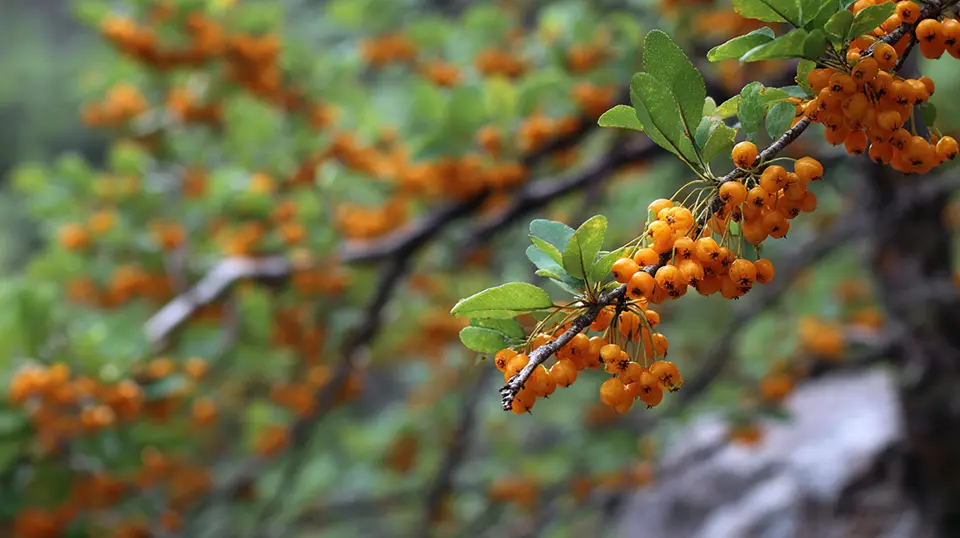
Common buckthorn (Rhamnus cathartica) has become one of the most persistent invasive shrubs in North America, particularly across the Midwest and northern regions of the United States. Introduced from Europe in the 19th century, this plant now dominates forest understories, prairie edges, and suburban landscapes. Its ecological impact is severe: buckthorn emerges early in the spring and holds its leaves late into the fall, shading out native plants. It produces large numbers of berries spread by birds, ensuring rapid dispersal. Its roots alter soil chemistry, increasing nitrogen levels and promoting invasive earthworms. Even more troubling, buckthorn acts as a host for agricultural pests such as the soybean aphid.
Source: USDA Forest Service
Traditional methods of controlling buckthorn—cutting, pulling, and applying chemical herbicides—are costly, labor-intensive, and environmentally disruptive. Herbicides often affect non-target plants, while physical removal demands repeated effort, as buckthorn stumps frequently resprout. Faced with these challenges, researchers at the University of Minnesota are exploring a new approach rooted in ecology itself: using fungi naturally associated with dying buckthorn as biological control agents. Their vision is to develop a fungal-based herbicide—known as a mycoherbicide—to suppress invasive buckthorn populations safely and sustainably.
The Study – Discovering Nature’s Arsenal
Between May 2023 and June 2024, University of Minnesota researchers conducted a comprehensive survey of buckthorn populations across 19 sites in Minnesota and Wisconsin. Their aim was simple yet innovative: find naturally occurring fungi colonizing declining buckthorn plants and evaluate their potential as biocontrol agents.
Source: University of Minnesota
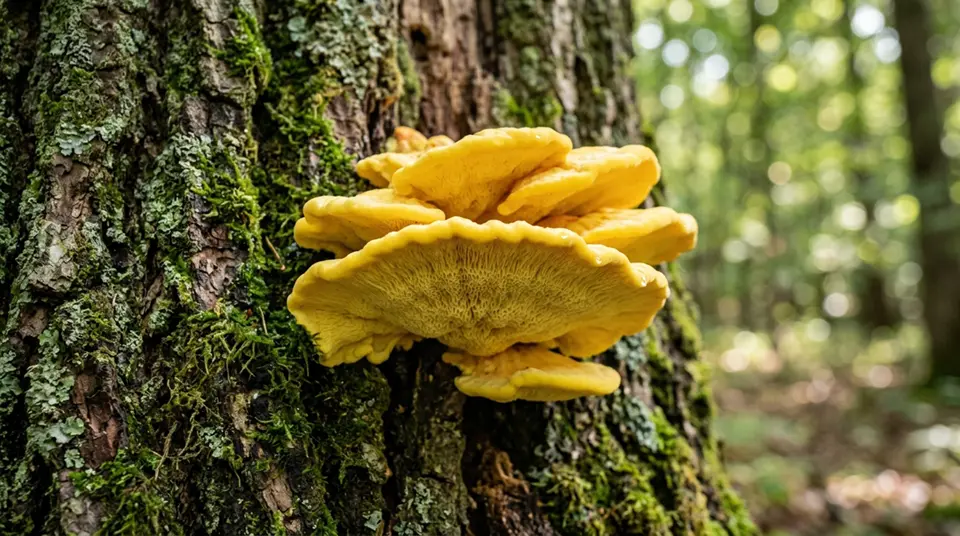
From these field samples, the team isolated 120 fungal species representing 81 genera. Remarkably, 46 of these species are recognized in scientific literature as pathogens of woody plants, specifically those known to cause canker diseases and root rots. This high proportion of pathogenic fungi suggested that buckthorn, though resilient, harbors a hidden vulnerability within its own ecological interactions.

Source: Wikimedia Commons, CC BY-SA 3.0
The most significant genera identified include Cytospora, Diaporthe, Diplodia, Dothiorella, Eutypella, Fusarium, Hymenochaete, Irpex, and Phaeoacremonium.
Among notable species, Nothophoma quercina was found on all three buckthorn species sampled—common, glossy (Frangula alnus), and alder-leaved (Rhamnus alnifolia). Another, Fusarium acuminatum, was present on both common and alder-leaved buckthorn, showing its pathogenic versatility. Additionally, Cylindrobasidium evolvens, a fungus already commercialized as a mycoherbicide against woody weeds in South Africa, was identified, strengthening the case that naturally occurring fungi could indeed form the basis of a new biocontrol product.
Pathogenicity Testing – From Possibility to Proof
Identifying fungi on dying buckthorn is only the beginning. The next phase involves carefully controlled pathogenicity trials. Researchers will inoculate healthy buckthorn saplings with candidate fungi in greenhouse environments to observe whether disease symptoms develop.
Key indicators include canker size, stem dieback, resprouting inhibition, and overall mortality rates. Only fungi that consistently cause significant harm to buckthorn will be considered serious candidates for development.
Equally vital are host-specificity tests. For a fungus to qualify as a mycoherbicide, it must not infect native trees, crops, or other desirable plants. Rigorous studies will expose candidate fungi to a wide range of non-target species to confirm their safety. A pathogen that spreads beyond buckthorn would create ecological risks far outweighing its benefits.
f certain fungi meet these criteria, researchers will explore methods of formulation and application. These could include stump treatments, soil applications, or foliar sprays. Ultimately, field trials under real-world conditions will be required to verify effectiveness and safety before any regulatory approval.

Source: Wikimedia Commons, CC BY-SA 4.0
Analysis – A Balance of Promise and Precaution
The promise of fungal biocontrol is significant. Unlike chemical herbicides, which can harm soil organisms and non-target plants, mycoherbicides are designed to exploit natural host-pathogen relationships. Because the fungi are already part of the ecosystem, their introduction may align more harmonio
usly with ecological processes.
However, deploying a living pathogen demands extraordinary caution. Fungi are dynamic organisms capable of genetic variation and environmental adaptation. Even with testing, there is always a risk of unexpected behavior once released at scale. For instance, a fungus might switch hosts under certain conditions or interact unpredictably with other microbes.
Public perception also matters. While herbicides are widely accepted, intentionally releasing fungi—even host-specific ones—can raise concerns among landowners and communities. Transparency in communication, peer-reviewed evidence of safety, and regulatory oversight will be critical to building trust.
Despite these challenges, the approach deserves serious attention. If successful, it could reduce reliance on herbicides, cut costs for land managers, and open new avenues for ecological restoration. By weakening buckthorn at its biological core, fungal control could give native species the chance to reclaim their rightful place in forests and prairies.

Source: Wikimedia Commons, CC BY-SA 3.0
Broader Implications – Toward Global Ecological Solutions
The significance of this research extends far beyond Minnesota. Buckthorn has invaded large swaths of North America and poses challenges in Europe as well. The principle of using naturally associated fungi as biocontrol agents could apply to many invasive plants worldwide.
For example, similar methods have been tested against other woody weeds, such as using Chondrostereum purpureum against birch and willow. The discovery of Cylindrobasidium evolvens in buckthorn adds weight to the idea that fungal mycoherbicides can be developed for specific targets with a track record of safe application.
Economically, fungal biocontrol could reduce long-term management costs. Once established, a mycoherbicide might persist in the environment, continuing to suppress buckthorn without repeated treatments. Ecologically, such an approach could accelerate native species recovery, restore soil health, and rebuild resilient habitats.
Globally, this strategy embodies a shift toward ecological biotechnology—using natural processes to address environmental crises. It reflects an important evolution in conservation thinking: rather than fighting invasives with blunt tools, we can work with ecological relationships to achieve balance.
Source: Wikimedia Commons, CC BY-SA 4.0
Conclusion – A New Path Forward
The University of Minnesota’s discovery of diverse fungi inhabiting dying buckthorn offers a groundbreaking foundation for developing a fungal-based biocontrol. With 120 fungal species identified and 46 known as pathogenic to woody plants, the study reveals an abundance of natural enemies potentially capable of curbing this invasive shrub.
The journey ahead—screening for pathogenicity, proving safety, and gaining regulatory approval—is long and rigorous. Yet the potential rewards are significant. A safe, effective mycoherbicide would mark a turning point in invasive species management, offering land managers an environmentally sensitive, scientifically sound tool to restore balance to ecosystems.
Invasive buckthorn may be resilient, but it is not invincible. With science, patience, and caution, the fungi that already weaken buckthorn in nature may one day become the very agents that help restore the ecological integrity it has eroded.
References
USDA Forest Service. Common Buckthorn Distribution Map. Public Domain.
According to News and Events