According to TIMES ENTERTAINMENT
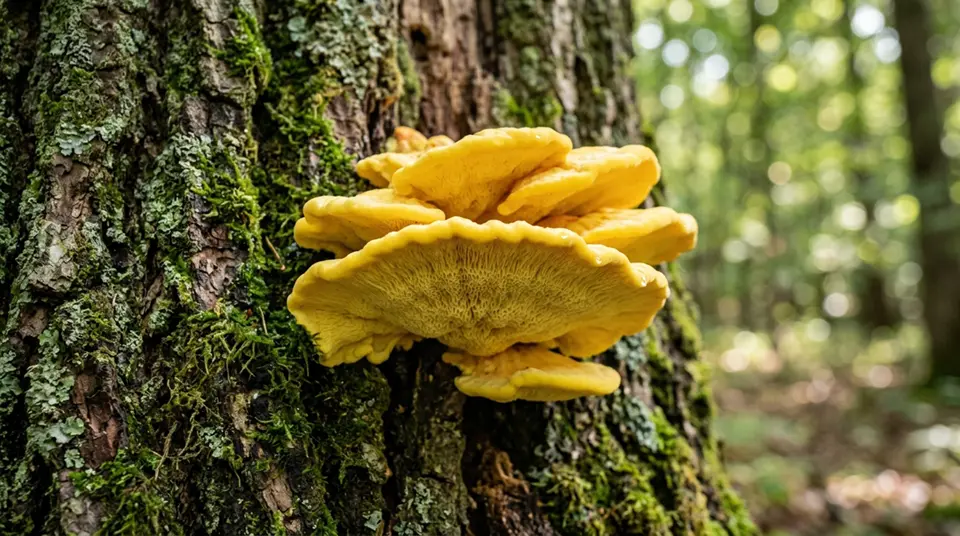
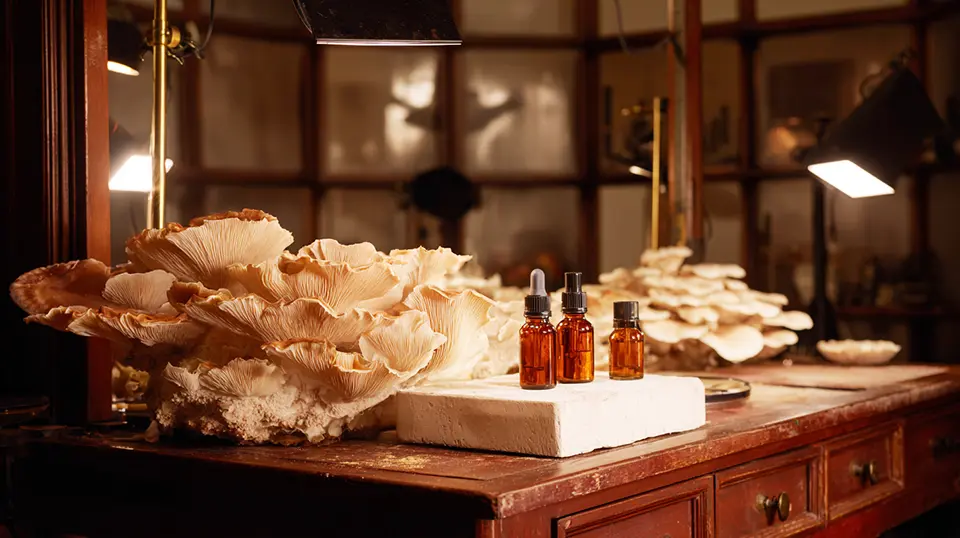
Fungi, once primarily associated with food and medicine, are increasingly making their way into the beauty industry. A new wave of skincare products highlights mushroom-derived ingredients as powerful additions to serums, promising hydration, soothing effects, antioxidant protection, and improved skin resilience. The trend reflects a broader movement toward bio-based, plant-adjacent, and sustainability-driven cosmetic innovation.
The rise of fungi-based skincare ingredients is being positioned as both a scientific advancement and a natural alternative to synthetic compounds. While mushrooms have long been used in traditional remedies, their integration into modern dermatological formulations is gaining mainstream attention.

Source: Wikimedia Commons, CC BY-SA 4.0
Why Fungi Are Entering Skincare
Mushrooms contain a range of bioactive compounds that are of interest to cosmetic scientists. These include polysaccharides, beta-glucans, antioxidants, amino acids, and vitamins. Such compounds are known to support skin hydration, barrier repair, and protection against environmental stressors.
In serums specifically, fungi-derived extracts are valued for their lightweight compatibility with water-based formulas and their ability to deliver concentrated active ingredients. As consumer interest shifts toward “clean beauty” and biotech-derived ingredients, mushrooms offer a compelling narrative that combines natural origin with laboratory-backed refinement.
Key Benefits Highlighted by Experts
Several functional benefits are associated with fungi-based skincare ingredients:
Hydration Support
Beta-glucans derived from mushrooms are known for their water-binding capacity. These compounds can help maintain skin moisture levels, contributing to smoother texture and reduced dryness.
Antioxidant Protection
Many mushroom species contain antioxidants that help neutralize free radicals generated by pollution and UV exposure. Antioxidant activity is commonly associated with reducing visible signs of aging.
Barrier Strengthening
Polysaccharides and certain fungal metabolites may support the skin’s natural barrier function, helping reduce sensitivity and irritation.
Soothing and Calming Effects
Some fungi extracts are incorporated into serums marketed for redness-prone or reactive skin, with claims of anti-inflammatory properties.
While these benefits are widely promoted, dermatologists note that results depend on formulation quality, concentration, and individual skin type.
Popular Mushroom Ingredients in Serums
Several mushroom species are particularly prominent in cosmetic formulations:
Reishi (Ganoderma lucidum)
Often associated with antioxidant and calming properties, reishi extract is included in products targeting stressed or aging skin.

Source: Wikimedia Commons, CC BY-SA 4.0
Tremella (Tremella fuciformis)
Sometimes referred to as “snow mushroom,” tremella is prized for its high polysaccharide content and hydrating potential, often compared to hyaluronic acid.

Source: Wikimedia Commons, CC BY-SA 4.0
Chaga (Inonotus obliquus)
Chaga contains high levels of antioxidants and is commonly marketed as protective against environmental damage.
Shiitake (Lentinula edodes)
Shiitake extract is used for brightening and tone-balancing formulations due to its vitamin and amino acid content.

Source: Wikimedia Commons, CC BY-SA 4.0
These fungi are typically processed into extracts rather than applied in raw form, ensuring safety and stability in cosmetic use.
The Role of Biotechnology
The mushroom beauty trend is not limited to wild-harvested ingredients. Advances in biotechnology allow fungal compounds to be cultivated and refined in controlled laboratory environments. This reduces variability, supports sustainability, and ensures consistent potency.
Biotech fermentation processes also enable manufacturers to produce fungal metabolites at scale without overharvesting natural ecosystems. This approach aligns with growing consumer demand for environmentally responsible sourcing.
Sustainability and Circular Innovation
Fungi offer environmental advantages in cosmetic production. They grow rapidly, require limited land and water compared to many plant crops, and can be cultivated on agricultural byproducts.
Some companies highlight fungi as part of a broader movement toward regenerative and circular ingredient sourcing. By leveraging organisms that naturally decompose and recycle nutrients, the beauty industry positions fungi as symbols of ecological balance.
However, experts caution that sustainability claims should be evaluated carefully. The environmental impact of large-scale extraction, processing, and packaging must also be considered.
Scientific Evidence and Limitations
While research supports the presence of beneficial compounds in certain mushroom species, the clinical evidence for cosmetic outcomes varies. Some studies suggest that beta-glucans can improve hydration and support wound healing, while antioxidant properties are well documented in laboratory contexts.
However, experts stress that topical efficacy depends on concentration, delivery mechanisms, and skin penetration. Not all products containing mushroom extracts will produce measurable results.
Consumers are advised to evaluate product claims critically and consult dermatological advice when managing specific skin conditions.
Potential Risks and Allergies
Fungi-derived ingredients are generally considered safe for cosmetic use when properly processed. However, as with any botanical or bio-based ingredient, allergic reactions are possible. Patch testing new products remains recommended, particularly for individuals with sensitive skin.
The distinction between beneficial mushroom extracts and harmful mould exposure is important. Cosmetic formulations use purified extracts from specific edible or medicinal species, not environmental mould.
The Future of Fungi in Beauty
Industry analysts suggest that fungi-based ingredients may continue to expand beyond serums into moisturizers, masks, and barrier-repair treatments. Research into fungal peptides, enzymes, and fermentation byproducts could unlock additional applications.
As consumers increasingly seek bioactive, sustainable, and science-backed ingredients, fungi are likely to maintain their place in cosmetic innovation.
Conclusion
The rise of mushroom-based serums reflects a broader convergence of biotechnology, sustainability, and consumer interest in naturally derived skincare. Fungi offer hydration, antioxidant support, and barrier-enhancing potential, making them attractive additions to modern formulations.
While enthusiasm for mushroom beauty continues to grow, experts emphasize that effectiveness depends on formulation science and evidence-based use. As research advances, fungi may move from niche novelty to established cornerstone ingredients in the global skincare market.
References
Hyaluronic acid in dermatology. Dermatologic Therapy.
Antioxidant properties of edible mushrooms. Food Chemistry.
According to TIMES ENTERTAINMENT