According to DETROIT FREE DRESS
A Popular Wild Mushroom with Hidden Dangers
As spring arrives in Michigan, morel mushroom season attracts outdoor enthusiasts, foragers, and food lovers eager to search forests and wooded areas for one of the region’s most sought-after fungi. However, a recent report by Detroit Free Press highlights growing concerns surrounding false morels and mushroom-related poisoning risks.
Although true morels are widely considered edible and highly prized in cooking, confusion between edible and toxic species continues to pose serious health risks. Experts warn that accurate identification is essential, as some poisonous mushrooms closely resemble authentic morels.

Understanding the Difference Between True and False Morels
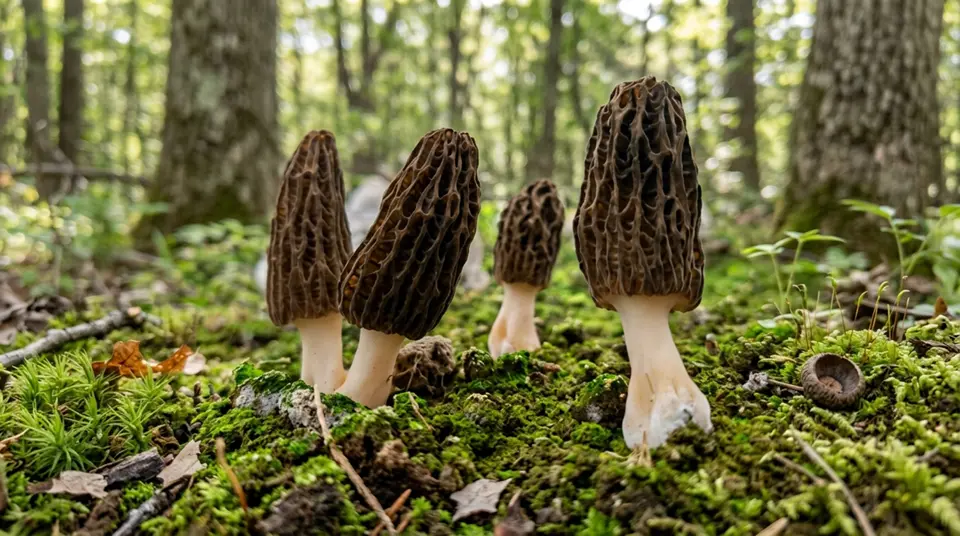
True morels belong to the genus Morchella and are recognized by their honeycomb-like caps and hollow interior structure. They are commonly found in wooded environments during spring, especially after periods of rain and warming temperatures.
False morels, by contrast, often belong to genera such as Gyromitra or Verpa. While they may appear visually similar from a distance, their internal structure and cap formation differ significantly. False morels are not uniformly hollow and often display irregular or wrinkled shapes rather than the distinct honeycomb pattern of true morels.
This resemblance has led to accidental poisonings among inexperienced foragers who mistake toxic species for edible ones.
Toxic Compounds and Health Risks
The report emphasizes that false morels may contain dangerous toxins, including compounds that can affect the nervous system and liver. Ingesting these mushrooms can lead to symptoms ranging from nausea and vomiting to seizures and, in severe cases, organ damage.
One of the primary toxins associated with false morels is gyromitrin, a compound that can metabolize into monomethylhydrazine, a toxic substance also linked to industrial chemical use.
Symptoms may not appear immediately, making early diagnosis difficult. Medical professionals stress that anyone experiencing illness after consuming wild mushrooms should seek prompt medical attention.

Why Mushroom Identification Is Challenging
Mushroom identification is more complex than many people realize. Environmental conditions, growth stages, and natural variation can alter the appearance of fungi, increasing the likelihood of confusion.
Even experienced foragers may encounter difficulties when distinguishing between similar species. Experts therefore recommend caution and advise against consuming any wild mushroom unless its identity is confirmed with certainty.
Field guides, mushroom clubs, and expert consultation are commonly recommended resources for safe foraging practices.
The Cultural Popularity of Morel Hunting
In states such as Michigan, morel hunting has become a seasonal tradition. Enthusiasts often spend hours searching forests, particularly near dead or dying trees where morels are more likely to appear.
The activity combines outdoor recreation with culinary interest, contributing to the mushroom’s enduring popularity. However, the increased interest in foraging also raises the number of inexperienced participants, heightening the risk of accidental misidentification.
Environmental Conditions and Mushroom Growth
Morels thrive under specific environmental conditions. Moist soil, moderate temperatures, and decaying organic material create favorable habitats for fungal development.
Seasonal rainfall patterns strongly influence mushroom emergence. A warm spring following sufficient moisture often leads to increased morel activity, drawing larger numbers of foragers into natural areas.
At the same time, these same conditions can also encourage the growth of toxic look-alike species.

Cooking Does Not Eliminate All Risk
The report also notes that some toxins associated with false morels may remain harmful even after cooking. While certain traditional preparation methods attempt to reduce toxicity, experts caution that these practices do not guarantee safety.
True morels themselves are generally recommended to be cooked before consumption, as raw mushrooms may cause gastrointestinal discomfort in some individuals.
This distinction further underscores the importance of accurate identification rather than relying solely on preparation techniques.
Public Awareness and Safety Education
Authorities and mycology experts continue to emphasize education as the most effective way to reduce mushroom poisoning incidents. Public awareness campaigns often focus on identifying characteristics, safe handling, and the importance of expert verification.
The message remains consistent: when uncertainty exists, consumption should be avoided.
The Ecological Role of Morels
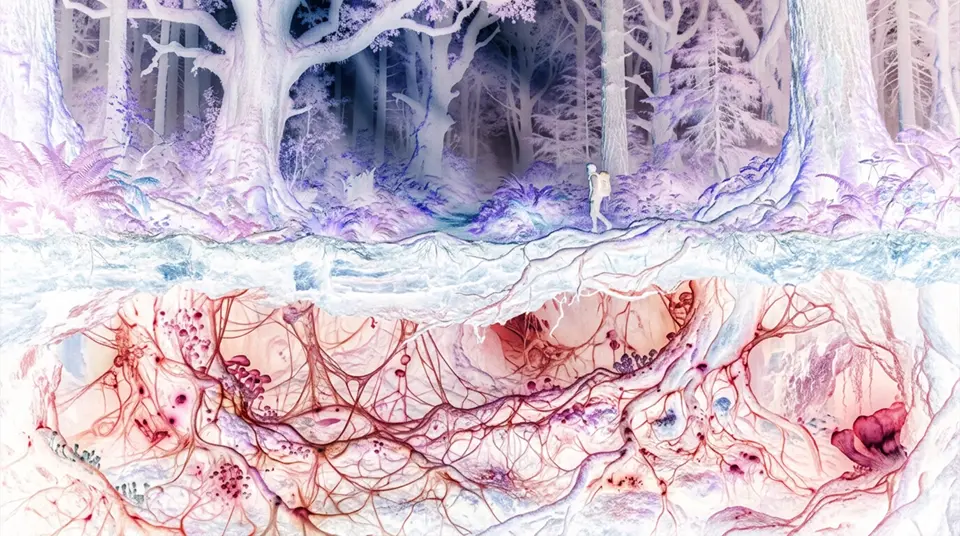
Beyond their culinary appeal, morels play an important ecological role. As fungi, they contribute to decomposition and nutrient cycling within forest ecosystems. Their growth patterns are closely tied to environmental conditions and forest health.
This ecological function reminds observers that mushrooms are not merely seasonal foods but active participants in broader natural systems.
Balancing Curiosity with Caution
The fascination surrounding morel mushrooms reflects a broader human interest in wild foods and natural landscapes. Yet the risks associated with toxic look-alikes demonstrate the need for caution and informed decision-making.
Foraging can be rewarding, but it requires knowledge, patience, and respect for the complexity of fungal ecosystems.
A Seasonal Reminder for Safe Foraging
As mushroom season continues, experts encourage foragers to approach wild fungi carefully. The difference between a prized culinary ingredient and a dangerous toxin may depend on subtle visual details.
Understanding those details is essential not only for enjoying the tradition safely but also for preventing potentially serious health consequences.
References
CDC – Mushroom Poisoning Prevention
According to DETROIT FREE DRESS