
According to MIDLOTHIAN VIEW
Mold Detection in a High-Risk Medical Environment
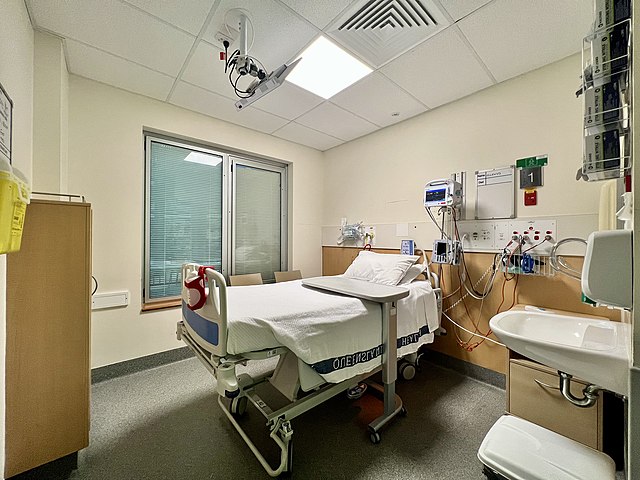
Mold has been discovered in a children’s cancer ward at a major hospital in Edinburgh, raising renewed concerns about patient safety in environments where infection control is critical. The report indicates that the affected area is used to treat pediatric cancer patients, a group considered highly vulnerable due to weakened immune systems resulting from intensive medical treatments such as chemotherapy.
The discovery has drawn attention from health officials and the public alike, as even low levels of environmental contamination can present elevated risks in specialized hospital units designed for immunocompromised patients.
Source: Wikimedia Commons, CC BY-SA 3.0
Why Pediatric Cancer Wards Require Strict Control
Children undergoing cancer treatment are particularly susceptible to infections because their immune defenses are often significantly reduced. Treatments designed to combat cancer can suppress the body’s ability to fight pathogens, making even common environmental microorganisms potentially dangerous.
In such settings, strict environmental monitoring and hygiene protocols are essential. Air quality, surface cleanliness, and moisture control are closely managed to reduce the presence of bacteria, viruses, and fungi. The detection of mold in this context is therefore treated with heightened caution, regardless of the scale of contamination.
How Mold Can Develop in Hospital Settings
Mold growth in healthcare facilities is typically linked to moisture-related issues. Water ingress, condensation, or inadequate ventilation can create localized environments where fungal spores can settle and grow. Because spores are naturally present in the air, the key factor determining mold growth is the availability of moisture.
Hospital infrastructure, including plumbing systems, ventilation networks, and building materials, can all influence how moisture accumulates and spreads. Even small, unnoticed leaks may lead to conditions that allow mold to develop behind walls, in ceilings, or around fixtures.

Source: Wikimedia Commons, CC BY-SA 3.0
Health Risks Associated With Mold Exposure
For healthy individuals, exposure to low levels of mold may cause mild symptoms such as irritation or allergic reactions. However, in immunocompromised patients—such as children undergoing cancer treatment—the risks can be significantly greater.
Certain fungal species are capable of causing opportunistic infections when inhaled, particularly affecting the lungs and respiratory system. In severe cases, these infections can become invasive and difficult to treat. For this reason, hospitals take a precautionary approach when mold is detected in high-risk areas.

Source: Wikimedia Commons, CC BY-SA 3.0
Immediate Response and Safety Measures
According to the report, hospital authorities have initiated measures to address the situation. These include isolating affected areas, conducting environmental assessments, and implementing cleaning and remediation procedures.
In similar cases, healthcare providers typically carry out repeated sampling of air and surfaces to determine the extent of contamination. Affected rooms may be temporarily closed while remediation work is performed to ensure that patient exposure is minimized.
The priority in such responses is to maintain continuity of care while reducing any potential environmental risks.
Public Concern and Institutional Accountability
The discovery of mold in a children’s cancer ward has prompted questions regarding oversight, infrastructure maintenance, and long-term safety protocols. Public concern is heightened in cases involving vulnerable patient populations, where even minor lapses in environmental control can have serious implications.
Health authorities are often required to provide transparent communication about findings, response actions, and ongoing monitoring efforts. In this context, the incident contributes to broader discussions about hospital safety standards and accountability.
The Role of Environmental Monitoring
Modern healthcare facilities rely on continuous environmental monitoring to detect potential risks early. This includes tracking humidity levels, inspecting building systems, and conducting microbiological testing.
Regular inspections help identify problems such as water damage or ventilation issues before they lead to microbial growth. When anomalies are detected, rapid intervention is essential to prevent escalation.
The report underscores the importance of maintaining robust monitoring systems, particularly in specialized wards where patient vulnerability is high.

Source: Wikimedia Commons, CC BY-SA 3.0
Common Hospital-Associated Fungal Species
Several fungal species are commonly associated with indoor environments and healthcare settings. These include members of the genera Aspergillus, Penicillium, and Cladosporium, which are capable of growing in damp conditions and releasing airborne spores.
Among these, Aspergillus fumigatus is particularly significant in clinical settings because it can cause invasive infections in immunocompromised individuals. Other species, such as Stachybotrys chartarum, are often linked to water-damaged environments.
While the report does not specify the exact species involved, these examples illustrate why mold detection in hospitals is treated with urgency.
Infrastructure and Long-Term Risk Management
Incidents involving mold often lead to broader evaluations of hospital infrastructure. Aging buildings, complex plumbing systems, and changing environmental conditions can all contribute to maintenance challenges.
Long-term risk management may involve upgrading ventilation systems, improving moisture control measures, and enhancing inspection protocols. Preventive investment in infrastructure is considered a key factor in reducing future incidents.
Balancing Clinical Operations and Environmental Safety
Hospitals must balance the need to provide continuous medical care with the requirement to maintain a safe environment. When issues such as mold arise, decisions must be made regarding room closures, patient relocation, and treatment continuity.
These decisions are often guided by risk assessments that consider both the severity of contamination and the clinical needs of patients. The goal is to ensure that safety measures do not disrupt essential care while still addressing environmental concerns effectively.
A Reminder of Environmental Sensitivity in Healthcare
The discovery of mold in a children’s cancer ward highlights the sensitivity of healthcare environments, particularly those serving high-risk populations. It underscores the need for constant vigilance, rapid response systems, and ongoing investment in facility maintenance.
While mold is a common environmental organism, its presence in specialized medical settings carries implications that extend beyond routine building management. In these contexts, environmental control is directly linked to patient outcomes.
Ongoing Monitoring and Next Steps
Health authorities are expected to continue monitoring the affected areas and conducting further testing to confirm that remediation efforts are effective. Transparent reporting and ongoing oversight will likely remain central to maintaining public trust.
As investigations proceed, the focus remains on ensuring patient safety, understanding the source of the issue, and preventing recurrence.
The incident serves as a reminder that even in advanced healthcare systems, environmental risks require continuous attention and proactive management.
References
According to MIDLOTHIAN VIEW