According to KGW8
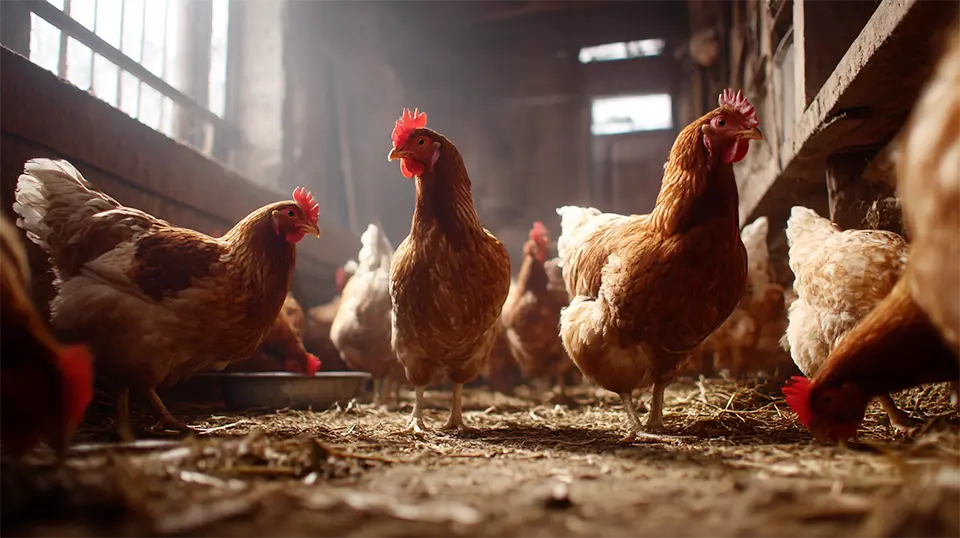
Farmers on Oregon’s north coast are facing unexpected poultry losses after mold-contaminated chicken feed was identified as a likely cause of illness and death among flocks. The incident has drawn attention to the vulnerability of animal feed in damp climates and the serious consequences that mold toxins (mycotoxins) can have on livestock health.
Local producers described chickens becoming lethargic, refusing food, and dying within a short period of time. Subsequent inspection of the feed revealed visible mold growth, prompting concerns about fungal contamination and toxin exposure.
While mold in feed is not a new problem, the scale and speed of the losses have underscored how quickly conditions can deteriorate when moisture control fails.
How Mold Develops in Animal Feed
Animal feed, particularly grain-based feed, is highly susceptible to mold growth when exposed to moisture. Feed stored in humid environments or subjected to leaks, condensation, or flooding can become contaminated within days.
Molds thrive on carbohydrates and organic matter, making grains an ideal substrate. Once moisture levels rise, fungal spores that are naturally present in the environment can germinate and multiply rapidly.
Coastal regions face heightened risk due to persistent humidity, frequent rainfall, and cooler temperatures that slow drying. These conditions create an environment where feed can remain damp long enough for mold to establish itself.

Source: Wikimedia Commons – File:Grain_storage_silo.jpg, CC BY-SA 3.0
Why Moldy Feed Is Dangerous to Chickens
The primary danger of moldy feed is not always the mold itself, but the toxins it can produce. Many molds generate mycotoxins, secondary metabolites that are toxic to animals even at low concentrations.
In poultry, ingestion of mycotoxins can cause:
- reduced appetite and weight loss
- lethargy and weakness
- immune suppression
- organ damage
- sudden death in severe cases
Chickens are particularly sensitive because of their small body size and high metabolic rate. Even brief exposure to contaminated feed can result in rapid decline.
Symptoms Observed by Farmers
Farmers reported that affected chickens showed signs consistent with mycotoxin exposure rather than infectious disease. Birds that had previously appeared healthy deteriorated quickly after consuming the feed.
Commonly reported symptoms included:
- decreased activity
- refusal to eat
- abnormal posture
- sudden mortality without prolonged illness
The rapid onset made intervention difficult, highlighting the importance of prevention and early detection.
Environmental Factors on the North Coast
The north coast of Oregon is characterized by wet winters, heavy fog, and consistently high humidity. While these conditions support rich ecosystems, they also increase agricultural challenges related to moisture control.
Feed stored in barns, sheds, or garages may absorb moisture from the air, especially if containers are not airtight. Even sealed bags can become compromised if stored directly on concrete floors or against exterior walls where condensation forms.
Experts note that mold growth in feed is often invisible at first, allowing toxins to accumulate before farmers notice any visible spoilage.

Source: Wikimedia Commons – File:Oregon_coast_fog.jpg, CC BY-SA 4.0
Feed Storage and Handling Practices
Agricultural specialists emphasize that proper storage is the most effective defense against mold contamination.
Recommended practices include:
- storing feed in sealed, moisture-resistant containers
- elevating feed off floors to prevent moisture transfer
- keeping storage areas dry and well-ventilated
- rotating feed to avoid long storage periods
- inspecting feed regularly for odor, clumping, or discoloration
Once mold is suspected, experts strongly advise discarding the feed rather than attempting to salvage it.
Economic and Emotional Impact on Farmers
For small-scale and family farmers, the loss of chickens represents more than financial damage. Many producers raise poultry for eggs, meat, or breeding, making each animal a long-term investment.
Unexpected losses also affect food supply, farm planning, and animal welfare. Farmers described frustration and distress, particularly when the cause was not immediately apparent.
The incident has prompted calls for greater awareness and education around feed safety in high-risk environments.
Broader Implications for Livestock Management
Mold contamination is not limited to poultry feed. Cattle, pigs, and other livestock can also be affected, with consequences ranging from reduced productivity to severe illness.
As climate change drives increased rainfall and humidity in some regions, feed management challenges are expected to grow. Agricultural experts warn that traditional storage practices may no longer be sufficient under changing environmental conditions.
Monitoring feed quality is increasingly viewed as a critical component of animal health management.
Common Fungal Culprits in Moldy Feed
Several fungal genera are commonly associated with mold growth in animal feed and mycotoxin production. These include:
- Aspergillus flavus
- Aspergillus parasiticus
- Fusarium verticillioides
- Fusarium graminearum
- Penicillium verrucosum
These fungi are known to produce toxins such as aflatoxins and fumonisins, which pose serious risks to poultry and other animals.
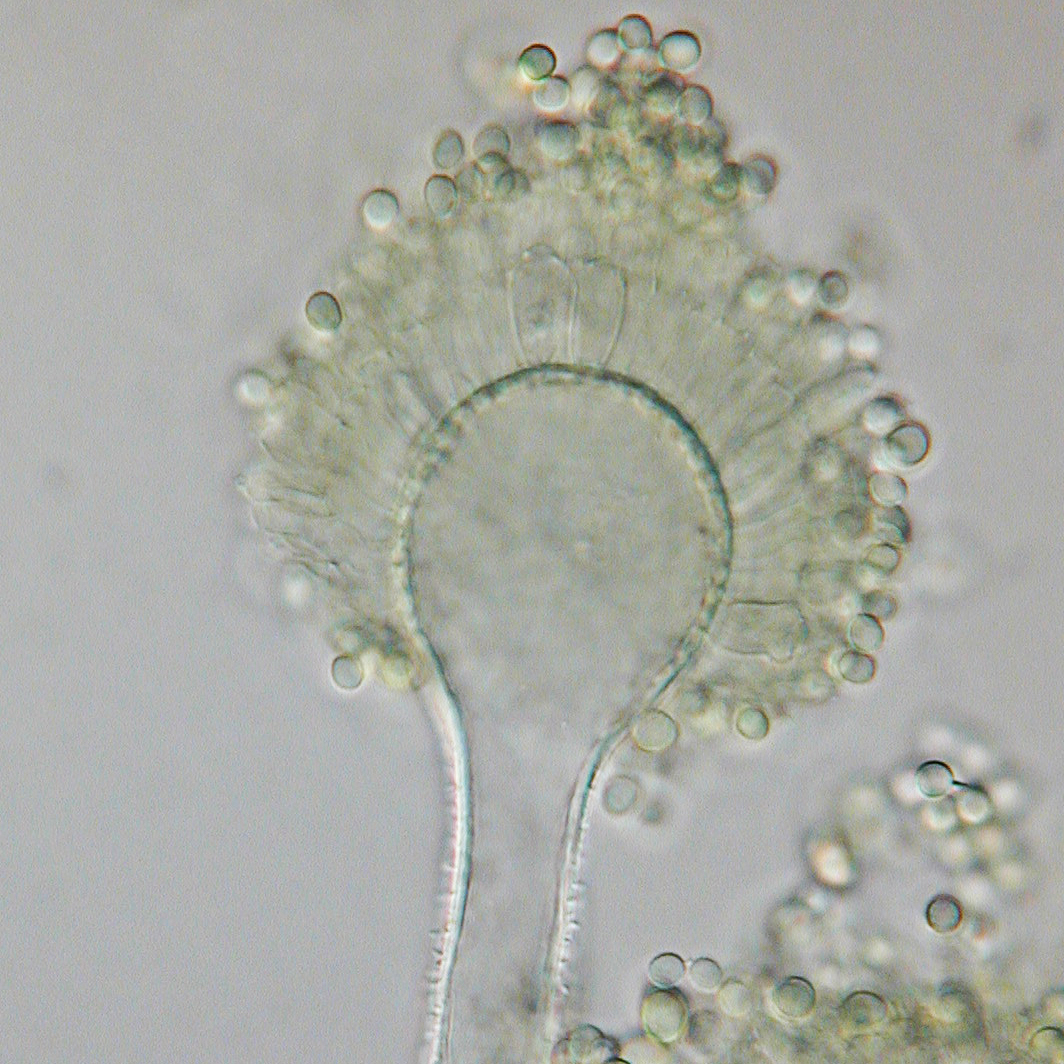
Source: Wikimedia Commons – File:Aspergillus_flavus.jpg, CC BY-SA 4.0
The Importance of Early Detection
Experts stress that early detection is key to preventing losses. Musty odors, clumping, discoloration, or a sour smell are warning signs that feed may be compromised.
However, mycotoxins can be present even when mold is not obvious. For this reason, some commercial operations use routine testing, particularly in regions prone to moisture.
While testing may not be practical for all small farms, increased vigilance and conservative decision-making can reduce risk.
Conclusion
The poultry losses reported on Oregon’s north coast highlight the often-overlooked threat of mold-contaminated feed. In damp environments, feed can become hazardous quickly, with devastating consequences for livestock.
The incident serves as a reminder that mold control is not only a human health issue but also a critical factor in agricultural resilience. As environmental conditions continue to challenge traditional farming practices, proactive feed management will be essential to protecting animal health and farm livelihoods.
References
IPCC AR6 WG2. Impacts, Adaptation and Vulnerability.
According to KGW8