According to discovermagazine
Fungi Continue to Surprise Scientists
A recent report published by Discover Magazine explores several unusual fungal abilities that continue to challenge scientific understanding. From fungi capable of manipulating insect behavior to species that glow in the dark or survive extreme environments, researchers say fungi possess biological traits far more complex than most people realize.
The article highlights how modern mycology is uncovering unexpected fungal behaviors that influence ecosystems, medicine, agriculture, and even neuroscience.

The Fungus That Manipulates Minds
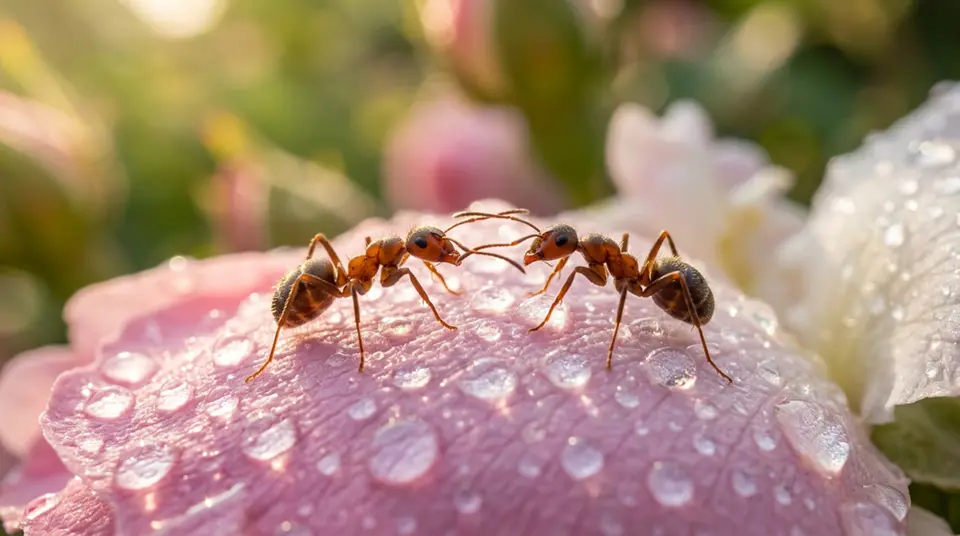
Among the most striking examples discussed is the so-called “mind-controlling” fungus belonging to the genus Ophiocordyceps. These fungi infect insects such as ants and gradually alter their behavior in ways that benefit fungal reproduction.
After infection, the fungus can influence the host insect’s movement and positioning, driving it toward locations favorable for fungal growth and spore dispersal. Eventually, the fungus kills the host and produces fruiting structures that release spores into the environment.
Scientists remain fascinated by how fungal organisms can interact with animal nervous systems so precisely.
Behavioral Manipulation in Nature
The report emphasizes that fungal manipulation is not supernatural but the result of complex biochemical interactions. Researchers believe fungi produce compounds that interfere with insect physiology and neural signaling.
Although the exact mechanisms are still being studied, the phenomenon demonstrates how microorganisms can influence animal behavior in highly specialized ways.
These interactions are considered important examples of evolutionary adaptation and host-pathogen relationships within ecosystems.
Fungi That Glow in the Dark
Another unusual fungal ability explored in the report involves bioluminescence. Certain fungi emit a faint greenish light in dark environments due to chemical reactions occurring within their tissues.
Scientists believe this glowing effect may help attract insects that assist in spore dispersal, although the evolutionary purpose is still debated.
Bioluminescent fungi are most commonly found in humid forest ecosystems where darkness enhances visibility of the emitted light.

Fungal Communication and Underground Networks
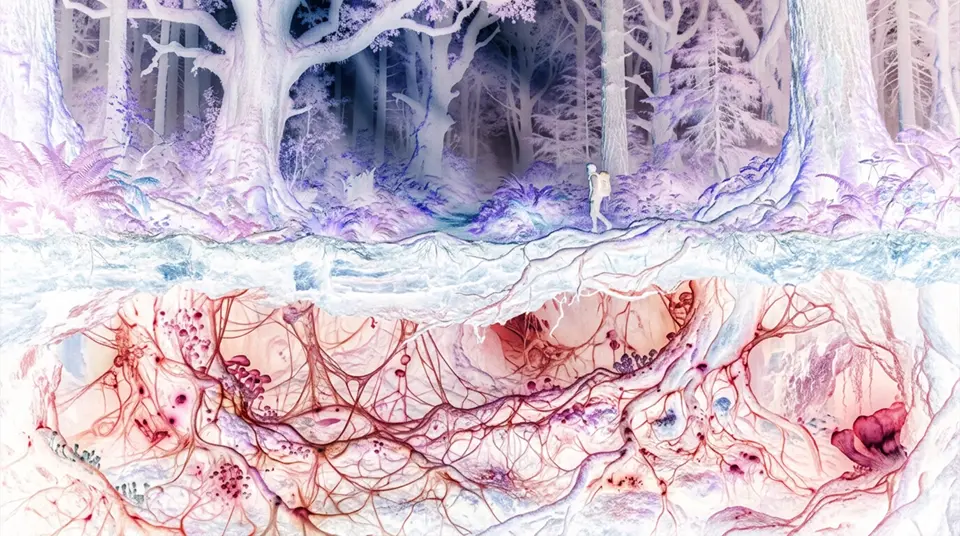
The article also examines the hidden communication systems formed by mycelium, the underground fungal network composed of microscopic filaments called hyphae.
These networks can connect plants through mycorrhizal relationships, allowing nutrients and chemical signals to move through soil ecosystems. Some researchers describe these systems as a form of underground biological infrastructure that supports forest health and ecosystem stability.
Although public discussions sometimes exaggerate these interactions, scientists agree fungi play major roles in nutrient exchange and ecological connectivity.
Survival in Extreme Environments
Fungi are also remarkable for their ability to survive harsh environmental conditions. Some species tolerate radiation, freezing temperatures, dehydration, and highly acidic environments that would be fatal to many organisms.
Researchers have discovered fungi living in Antarctic regions, deep underground, inside nuclear disaster zones, and even in environments simulating outer space conditions.
This resilience has attracted scientific interest in fields such as astrobiology and climate adaptation research.
Fungi That Break Down Pollution
Certain fungal species possess enzymes capable of decomposing toxic compounds, plastics, petroleum products, and industrial pollutants. This process, sometimes called mycoremediation, is being studied as a potential environmental cleanup strategy.
Because fungi naturally break down complex organic materials in ecosystems, researchers believe they may help reduce environmental contamination in the future.
The report highlights fungi as organisms with possible applications far beyond traditional ecological roles.
Medical and Pharmaceutical Importance
Fungi have also transformed modern medicine. Species within the fungal kingdom have contributed to the development of antibiotics, immunosuppressive drugs, and cholesterol-lowering medications.
At the same time, some fungi pose serious health risks through infections, toxic compounds, or drug resistance. This dual role—as both medical resource and health threat—makes fungi especially important in biomedical research.
The Complexity of Fungal Intelligence Debates
Some scientists and commentators have speculated about whether fungal networks display forms of biological decision-making or primitive intelligence. While researchers caution against overstating these claims, studies do show fungi can respond dynamically to environmental changes and optimize resource distribution.
Their adaptive behavior continues to raise questions about how simple organisms process information and interact with ecosystems.
Fungi and Climate Systems
The report also notes that fungi influence global carbon cycles and ecosystem stability. By decomposing organic material and interacting with plants, fungi affect how carbon moves through forests and soils.
Some fungal species may become more active under changing climate conditions, potentially altering ecosystem processes and disease dynamics.
Scientists increasingly recognize fungi as major environmental actors rather than passive decomposers.

Why Scientists Are Still Untangling Fungal Biology
One reason fungi continue to surprise researchers is that much of fungal life remains hidden from view. Most fungi exist primarily as microscopic networks underground or within other materials, making them difficult to study.
Millions of fungal species are estimated to exist, yet only a fraction have been formally identified and scientifically described.
This means fungal biology remains one of the least explored areas of life science.
A Kingdom Still Full of Mysteries
The report ultimately presents fungi as organisms that challenge traditional assumptions about biology. Their abilities to manipulate hosts, survive extremes, recycle ecosystems, and form complex networks reveal a kingdom of life far more sophisticated than commonly understood.
What once appeared to be simple mushrooms growing from the soil are now recognized as part of vast biological systems influencing forests, climate, medicine, and global ecology.
Looking Ahead
As fungal research expands, scientists expect many more discoveries about how fungi interact with living systems and environments. Advances in genetics, ecology, and microbiology are rapidly reshaping understanding of fungal capabilities.
The article suggests that fungi may hold answers to future challenges involving environmental restoration, agriculture, medicine, and climate resilience—while also reminding humanity how much remains unknown about the hidden organisms beneath our feet.
References
Fricker M.D. et al. (2017). Mycelial networks: structure and function. Nature Reviews Microbiology.
According to discovermagazine