
According to MIRROR
Introduction: A Fungus Among Us
In most homes, the kitchen is seen as a place of warmth, nourishment, and family. But behind the clean counters and stocked fridges, another reality can quietly grow—mould, a persistent and often invisible health threat that hides in the very items we rely on daily.
From the neglected bottle of mustard in your fridge door to the damp grout between your kitchen tiles, mould has found countless ways to infiltrate households. Left unchecked, it not only spoils food but may also impact respiratory health and overall hygiene. And the problem? Most people don’t even know it’s there.
With expert insights and practical solutions, this report reveals where mould hides, how it spreads, and most importantly, how to stop it before it affects your health.
Section 1: Mould—What It Is and Why It Matters
Mould is a type of fungus that thrives in dark, damp, and nutrient-rich environments—like a refrigerator, a sponge, or the shaded corners of a tiled kitchen wall. It reproduces via microscopic spores that become airborne, landing on surfaces and growing rapidly.
While some moulds are harmless, others—especially species like Aspergillus, Penicillium, and Cladosporium—can produce mycotoxins that may lead to allergic reactions, asthma flare-ups, or even more serious health complications in vulnerable individuals. The kitchen, often overlooked in terms of deep sanitation, becomes an ideal habitat.
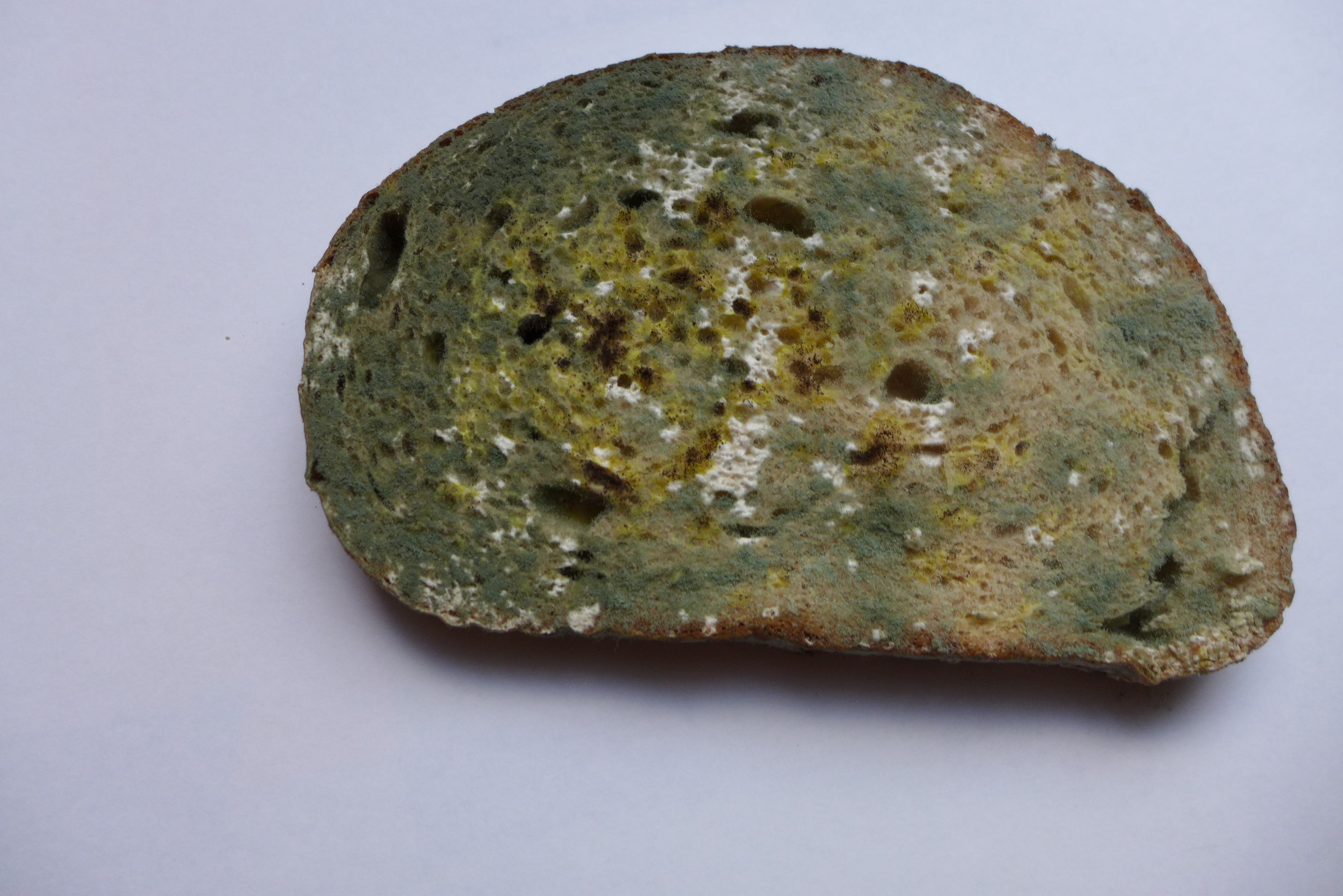
Source: Wikimedia Commons, CC BY-SA 3.0
Section 2: The Fridge Door Danger—Opened Condiments
Food hygiene expert Melissa Kilcoyne, from Virtual College, warns that opened condiments are among the most common—but least suspected—mould havens.
“Most people don’t realise that once opened, condiments must be refrigerated and monitored,” Kilcoyne explains. “Stored too long, they can start growing mould spores, even if they look normal on the outside.”
Ketchup, mustard, mayonnaise, soy sauce—once opened—should not remain forgotten in the fridge door for months on end. The fridge door itself is a problematic area: it’s frequently opened and closed, creating inconsistent temperatures and making it a less-than-ideal storage spot for sensitive foods.
Best Practices:
- Always check expiration dates.
- Clean condiment lids regularly to prevent residue buildup.
- Store opened items on top shelves where the temperature is most consistent.
- Do a fridge check every 1–2 months, discarding expired or unused sauces.
These simple steps not only protect against food waste but also significantly reduce the risk of invisible mould growing inside bottles.

Source: Wikimedia Commons, CC BY-SA 3.0
Section 3: Grout—The Forgotten Mould Trap
While condiments breed mould internally, another hotbed lies between your tiles—specifically, in the porous grout that binds them.
In high-use areas like behind the sink or stove, grout absorbs moisture, grease, and food particles. Over time, this creates a perfect environment for mildew and mould, which often go unnoticed until discoloration appears.
According to John Klee, a cleaning expert from Big Bathroom Shop, the best weapon against grout mould is a natural DIY solution made with hydrogen peroxide and baking soda.
“Spray hydrogen peroxide on grout, let it sit, scrub gently, and rinse,” he says.
“For tougher stains, mix it into a paste with baking soda and apply directly to the mould.”
Weekly cleaning routines are advised for busy kitchens, particularly those with poor ventilation or tiled countertops. Regular maintenance not only restores aesthetic appeal but eliminates microbial threats before they become health issues.
Section 4: The Science of Spread—How Mould Moves
Understanding how mould spreads is key to prevention. Once spores are released into the air, they settle on moist surfaces, particularly food, damp cloths, cutting boards, and hidden crevices. Refrigerators, with their combination of humidity and food residue, are among the most vulnerable zones.
Crucially, mould doesn’t need to be visible to be active. Microscopic growth can begin before discoloration or odour occurs. By the time you notice the change, spore levels may already be high.
Other hotspots include:
- Dish sponges
- Sink drains
- Rubber fridge seals
- Undersides of cutting boards
- Reusable food containers
Section 5: Health Risks—More Than Just an Eyesore
Many people assume mould is simply gross—but harmless. In reality, the health implications vary based on the type of mould, level of exposure, and the immune status of individuals in the household.
Potential health effects include:
- Sneezing, coughing, itchy eyes
- Skin irritation
- Worsened asthma symptoms
- Chronic sinus issues
- Headaches or fatigue
- In rare cases, fungal infections (e.g., aspergillosis)
Children, elderly people, and individuals with respiratory conditions or weakened immune systems are particularly vulnerable. That’s why maintaining a mould-free kitchen isn’t just about cleanliness—it’s about protecting your loved ones.

Source: Wikimedia Commons, CC BY-SA 3.0
Section 6: Expert-Approved Prevention Methods
Here’s what professionals recommend for everyday mould control in the kitchen:
Daily Habits:
- Wipe down all surfaces after use
- Empty trash frequently
- Open windows or use fans to reduce moisture
- Don’t overstock the fridge—air needs to circulate
Weekly Tasks:
- Clean grout with hydrogen peroxide spray
- Check for soft spots or moldy smells in condiments
- Replace dishcloths and sponges
- Wash rubber fridge seals with vinegar solution
Monthly or Seasonal:
- Deep clean your fridge
- Reorganize and discard unused sauces or expired foods
- Clean behind and under appliances
- Monitor for recurring moisture spots

Source: Wikimedia Commons, CC BY-SA 4.0
Section 7: Rewriting Our Hygiene Habits
Kitchen mould often thrives not just due to environmental factors, but because of routine neglect. We’re conditioned to clean what we can see—countertops, dishes, stovetops—but overlook the less visible areas.
This points to a larger issue: a lack of hygiene education around mould risks. While food safety campaigns often focus on raw meat contamination or washing produce, less emphasis is placed on mould management—despite it being equally critical.
Adopting a prevention mindset doesn’t have to be overwhelming. Small, consistent changes are enough to keep households healthy and mould-free.
Conclusion: Clean Kitchens, Safer Homes
Mould may be silent, but its impact can be profound. In the kitchen, it hides in plain sight—inside condiment bottles, behind tile lines, under fridge drawers—waiting for the perfect conditions to thrive. But those conditions are not inevitable.
With expert-backed strategies, proper storage habits, and regular deep cleaning, every household can safeguard their kitchen and their health. Cleanliness is not just about appearances—it’s about vigilance, knowledge, and care.
So next time you reach for that half-used bottle of sauce, or glance at the darkening grout between your backsplash, take a moment. That’s not just a cleaning task. It’s a health decision.
References
According to MIRROR