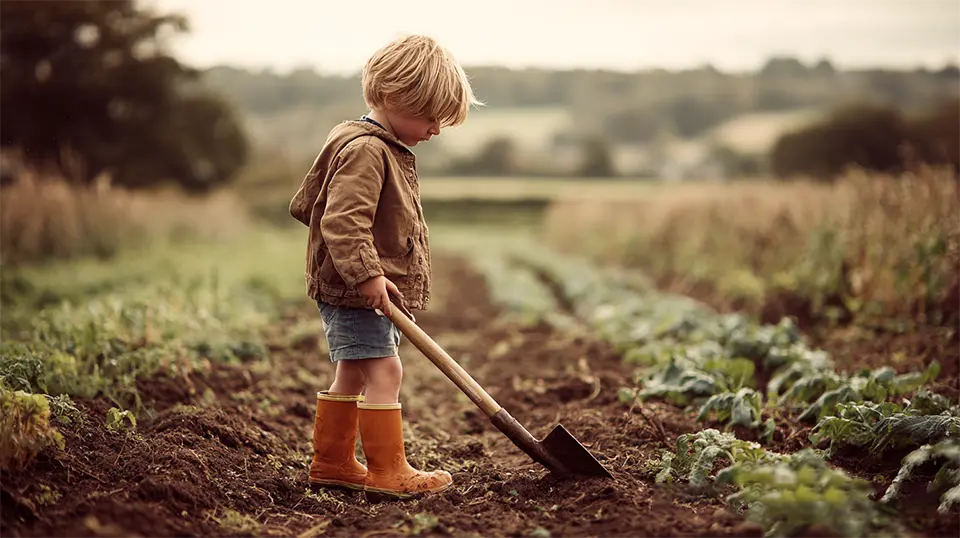
A growing body of scientific evidence is reshaping how researchers understand the origins of childhood allergic disease. According to new findings highlighted by the American Geophysical Union (AGU), the composition of soil bacteria and soil fungi in a child’s early environment has emerged as one of the strongest predictors of whether that child later develops allergies. This research underscores a profound yet often overlooked reality: human health is deeply intertwined with the microbial life of the environment.
For decades, allergy research focused largely on genetics, diet, and indoor exposures such as dust mites or pet dander. While these factors remain relevant, the new study shifts attention outward—toward soil ecosystems that children encounter during infancy and early childhood. The data suggest that reduced exposure to diverse soil microbes may deprive the immune system of essential training, increasing susceptibility to allergic conditions such as asthma, eczema, and allergic rhinitis.
From my perspective as a reporter covering environmental health, this research marks an important turning point. It does not merely identify another risk factor; it reframes allergy as a condition shaped by ecological disconnection, particularly in increasingly urbanized and sanitized societies.

What the Research Found
The study analyzed environmental and health data from children growing up in different geographic and ecological contexts. Researchers compared childhood allergy outcomes with the diversity and composition of microbes—both bacteria and fungi—present in surrounding soils.
The results were striking: soil microbial diversity consistently correlated with lower rates of allergic disease, even after accounting for socioeconomic status, air pollution, and other known variables. In contrast, children living in environments with limited soil microbial richness showed higher incidences of allergic conditions.
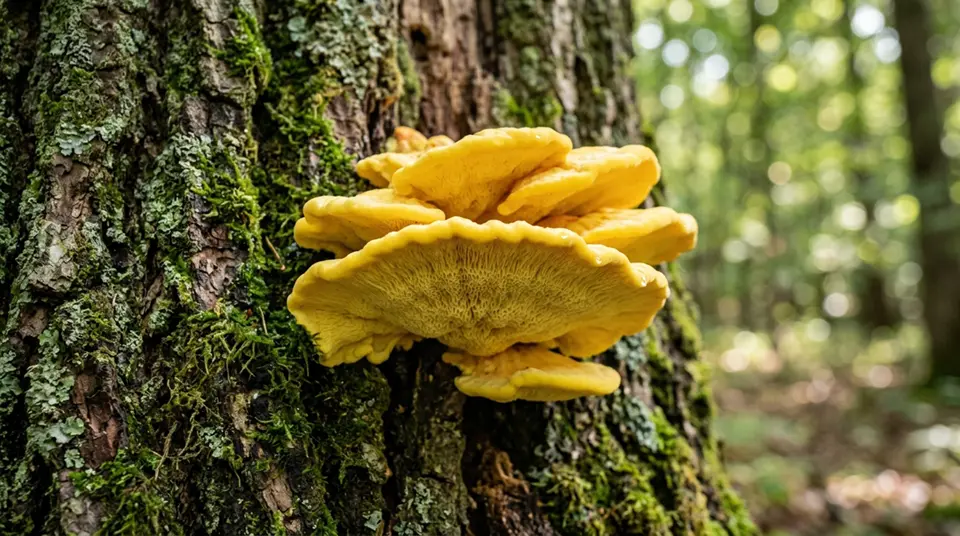
Fungi played a particularly notable role. While bacteria have long been studied for their influence on immune development, this research reinforces that fungal communities are equally important contributors. Soil fungi interact with plants, animals, and humans in complex ways, producing metabolites and immune-modulating compounds that shape how the human immune system distinguishes between harmless and harmful stimuli.

Source: Wikimedia Commons, CC BY-SA 4.0
Why Soil Microbes Matter to the Immune System
Human immune systems do not develop in isolation. During infancy and early childhood, exposure to a wide range of environmental microbes helps calibrate immune responses. This process teaches the immune system to tolerate benign substances—such as pollen, food proteins, or animal dander—rather than reacting aggressively.
When microbial exposure is limited, immune systems may become overly sensitive. This concept, often referred to as the biodiversity hypothesis, builds on earlier ideas like the hygiene hypothesis but extends them beyond household cleanliness to broader ecological interactions.
Soil microbes, including fungi, enter the human body indirectly through:
- contact with soil during outdoor play,
- microbial transfer from plants and vegetation,
- dust particles carried into homes, and
- interactions with pets or livestock.
These exposures help establish a balanced human microbiome on the skin, in the gut, and in the respiratory tract.

Source: Wikimedia Commons, CC BY-SA 4.0
The Role of Fungi: More Than Background Organisms
Fungi are often treated as secondary players in microbial research, yet this study highlights their central role in shaping immune outcomes. Soil fungi form intricate mycelial networks that influence nutrient cycling, plant health, and microbial community structure. Their spores and metabolic byproducts interact with immune cells in ways that are only beginning to be understood.
Certain soil fungi are known to promote immune tolerance by stimulating regulatory T cells and other regulatory immune pathways. Others help maintain microbial balance, preventing dominance by potentially inflammatory organisms. The absence of these fungal signals may tilt immune development toward hypersensitivity.
Importantly, the research does not suggest that all fungi are beneficial or that fungal exposure is inherently safe. Rather, it emphasizes diversity and balance.

Source: Wikimedia Commons, CC BY-SA 4.0
Urbanization and the Loss of Microbial Diversity
One of the most compelling implications of this research lies in its connection to urban living. Cities often replace natural soils with concrete, asphalt, and highly managed green spaces. Lawns, parks, and playgrounds may appear green but often lack the microbial diversity found in natural environments.
Children in urban settings may therefore experience:
- reduced contact with soil microbes,
- limited exposure to diverse plant-associated fungi, and
- indoor lifestyles dominated by sanitized surfaces.
The study suggests that these environmental shifts may help explain why allergic diseases are more prevalent in urban populations compared to rural or nature-rich settings.
My Perspective: Allergy as an Ecological Condition
What stands out to me is how clearly this research frames childhood allergy not merely as a medical issue, but as an ecological condition. Allergic disease reflects how modern environments diverge from the conditions under which human immune systems evolved.
The findings do not advocate abandoning hygiene or exposing children to unsafe environments. Instead, they suggest a need for reintegrating safe, biodiverse microbial exposure into daily life—through green infrastructure, nature-based play, and thoughtful urban design.
This research also challenges simplistic narratives around cleanliness. The goal is not to eliminate microbes, but to maintain healthy microbial relationships. Soil fungi and bacteria are not just background organisms; they are participants in human health.

Implications for Public Health and Policy
The study’s conclusions have far-reaching implications:
- Urban Planning
Incorporating biodiverse green spaces, native vegetation, and natural soils into cities may support healthier immune development. - Childhood Environments
Schools and childcare facilities could benefit from outdoor areas designed to promote safe contact with natural microbial communities. - Preventive Health Strategies
Allergy prevention may require environmental interventions alongside medical ones. - Environmental Conservation
Protecting soil biodiversity is not only an ecological priority but also a public-health investment.
These insights point toward a future where allergy prevention involves collaboration between healthcare professionals, ecologists, urban planners, and policymakers.