According to THE GUARDIAN
Readers Highlight Nature’s Overlooked Helpers
A recent reader discussion published by The Guardian explored a deceptively simple question: which organisms benefit humans the most without people fully realizing it? The responses revealed growing public fascination with the hidden biological systems quietly supporting ecosystems, agriculture, health, and even climate stability.
From microscopic gut bacteria to fungi beneath forests, readers highlighted how many of Earth’s most essential organisms remain largely invisible in daily life despite their enormous ecological importance.

Tiny Wasps Inspire the Conversation
The discussion began with a reader describing a severe clothes moth infestation and discovering the use of parasitic wasps, specifically Trichogramma evanescens, as a biological control solution.
These tiny wasps, nearly microscopic in size, target moth eggs and help suppress pest populations naturally without chemical pesticides. The example sparked broader conversation about beneficial organisms humans rarely notice.
Biological pest control using insects and microorganisms is increasingly viewed as an environmentally sustainable alternative to chemical treatments.
Gut Microbes: Invisible Partners in Human Survival
Among the most commonly mentioned organisms were the microbes living inside the human body. Readers emphasized that bacteria within the human digestive system are essential for digestion, immune function, and overall health.
Scientists estimate that the human body hosts trillions of microorganisms, collectively known as the microbiome. These microbial communities help process nutrients, synthesize vitamins, regulate immune responses, and protect against harmful pathogens.
Without these microscopic organisms, normal human biological function would be impossible.

Bacteria Beyond the Human Body
Readers also noted the broader ecological importance of bacteria. Beyond human health, bacteria participate in nutrient cycling, soil formation, waste decomposition, and countless biochemical processes that sustain ecosystems.
Certain bacteria help plants absorb nitrogen, while others decompose dead organic matter and recycle nutrients into the environment.
Although often associated with disease, most bacterial species are either harmless or beneficial.
Fungi as Ecological Engineers
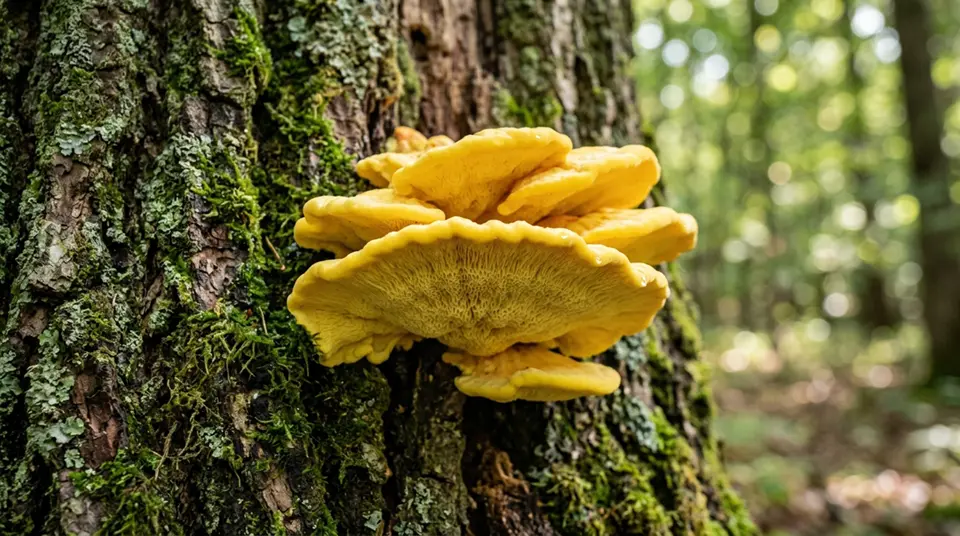
Fungi received particular attention throughout the discussion. Readers highlighted the role fungi play in helping forests survive through underground mycorrhizal networks connecting plant roots.
These fungal systems assist trees in absorbing nutrients and water while contributing to soil stability and ecosystem resilience. Fungi also act as major decomposers, recycling organic material and supporting nutrient cycles across forests and agricultural systems.
Increasing scientific attention on fungal ecology has reshaped understanding of how ecosystems function beneath the soil surface.
Climate Importance of Fungi and Phytoplankton
Several responses emphasized organisms that influence global climate systems. Phytoplankton, microscopic marine organisms drifting through oceans, were highlighted for their role in carbon absorption and oxygen production.
When phytoplankton die, they sink to the ocean floor and help store carbon in marine sediments. Some readers noted that phytoplankton and diatoms contribute substantially to Earth’s oxygen supply.
Fungi were also discussed as important allies in carbon cycling and ecosystem stability, particularly within forests.
Pollinators and Ecosystem Stability
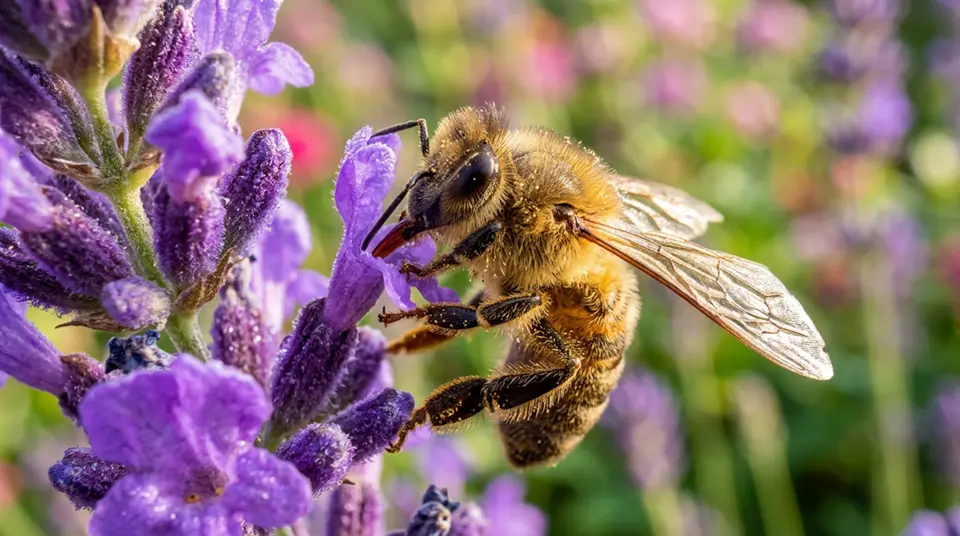
Honey bees and other pollinators were described as essential for maintaining global food systems and biodiversity. Pollination supports the reproduction of countless plant species, including many agricultural crops consumed by humans.
Readers also pointed out that bees are only part of a much larger pollinator network that includes insects, birds, and other organisms.
Declining pollinator populations remain a major environmental concern worldwide.
Earthworms and Soil Health
Earthworms were identified as another underappreciated organism critical to agriculture. By burrowing through soil, earthworms improve aeration and help roots access oxygen and nutrients.
Their digestive processes also convert organic material into nutrient-rich waste that supports plant growth.
Healthy soil ecosystems depend heavily on these underground organisms.

Yeast and Human Civilization
Readers also highlighted the importance of yeast in food and beverage production. Species such as Saccharomyces cerevisiae play essential roles in bread-making, fermentation, brewing, and alcohol production.
Yeasts have influenced human civilization for thousands of years and remain central to global food industries.
Despite their importance, many people rarely consider yeast beyond its culinary applications.
Biological Pest Control and Sustainable Agriculture
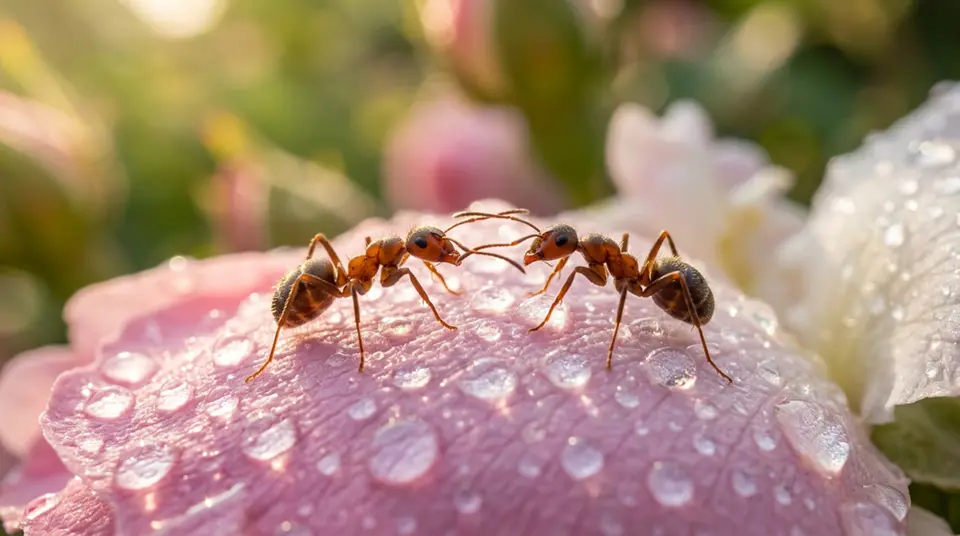
The discussion returned frequently to organisms used in natural pest management. In addition to Trichogramma species, readers mentioned green lacewings and other biological control organisms used in agriculture to reduce reliance on pesticides.
These organisms help suppress agricultural pests while reducing chemical exposure and environmental contamination.
Researchers increasingly promote integrated pest management systems combining biological controls with sustainable farming practices.
Public Curiosity About Hidden Ecology
The discussion reflects broader public interest in the hidden biological systems supporting human life. Many beneficial organisms operate largely unnoticed because they are microscopic, underground, or ecologically indirect.
Yet these organisms influence everything from food production and climate regulation to disease prevention and ecosystem resilience.
Scientists continue discovering how deeply human survival depends on complex microbial and ecological interactions.

The Expanding Awareness of Microbial Life
Modern research into microbiomes, fungal networks, and ecological interdependence has transformed public understanding of biology. Organisms once dismissed as insignificant are increasingly recognized as foundational components of planetary systems.
The discussion also demonstrates growing awareness that protecting biodiversity involves far more than conserving visible plants and animals alone.
Looking Ahead
As environmental pressures such as climate change, pollution, and biodiversity loss intensify, understanding beneficial organisms may become increasingly important for sustainable development and public health.
The conversation ultimately highlights a powerful scientific reality: much of human life depends on organisms most people never see. From fungi beneath forests to microbes inside the body, invisible biological systems quietly sustain ecosystems, agriculture, and civilization itself.
References
According to THE GUARDIAN