According to houstonhealth
A City-Level System for Tracking Airborne Allergens
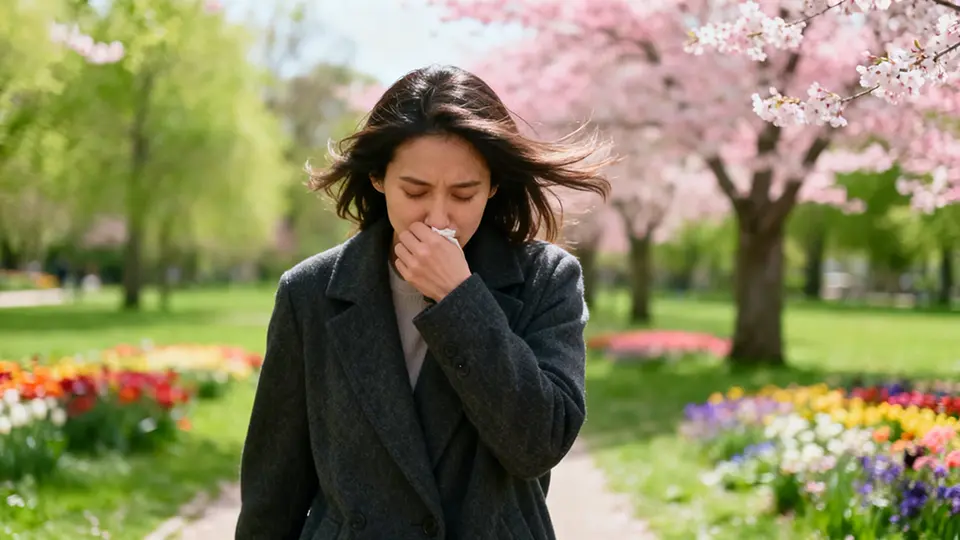
The Houston Health Department has implemented a daily pollen and mold monitoring system to provide the public with timely information about environmental allergens. As more than 80 million Americans experience seasonal or environmental allergies each year, local monitoring efforts are positioned as an essential public health tool for helping individuals anticipate and manage symptoms.

Source: Wikimedia Commons, CC BY-SA 3.0
The system is designed to track fluctuations in airborne particles such as pollen and fungal spores, which vary significantly depending on weather conditions, plant cycles, and regional climate (CDC Allergens Overview). By making this data accessible, health officials aim to support informed decision-making at the community level.
Certified Laboratory Monitoring and Methodology
The monitoring program is conducted in a laboratory certified by the American Academy of Allergy, Asthma & Immunology. Specialized Burkard air-sampling equipment is used to capture airborne particles continuously over a 24-hour period.
This device operates using a built-in vacuum system to collect pollen grains and mold spores from the surrounding air. Once samples are collected, laboratory scientists analyze them by examining size, shape, and morphology. This process allows for accurate identification and quantification of different allergen types.
Such detailed monitoring provides a scientific basis for daily allergen reports and helps ensure that the data reflects real environmental conditions.
Seasonal Patterns of Pollen in the Region
The report outlines distinct seasonal patterns for pollen types in the Houston region. Tree pollen is most active in the spring, with species such as cedar, elm, birch, and pine contributing to airborne levels. Among these, oak pollen is identified as a major contributor, typically peaking in mid-to-late March.
As temperatures increase, grass pollen becomes more prominent, continuing through late spring and into the summer months. Later in the year, weed pollen emerges, extending from summer into fall.
These seasonal shifts mean that individuals may experience varying symptoms throughout the year, depending on their specific sensitivities.

Source: Wikimedia Commons, CC BY-SA 3.0
Mold Spores as a Constant Environmental Factor
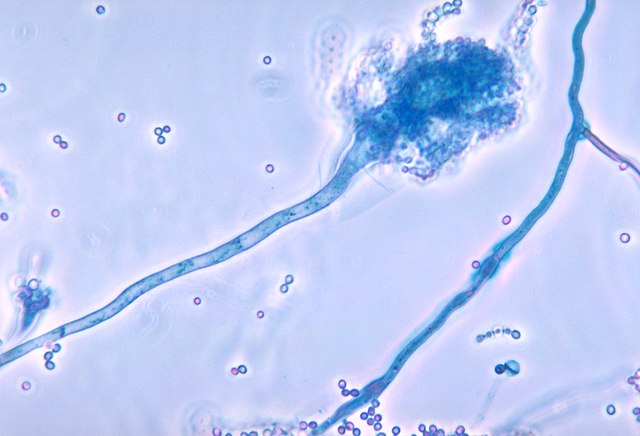
Unlike pollen, which follows seasonal cycles, mold spores are present in the environment year-round (CDC Mold Basics). However, their concentration increases under specific conditions, particularly during warm, humid, and rainy periods.
The report notes that mold levels often rise during late spring and summer, as well as after significant weather events such as heavy rainfall or hurricanes (NOAA Climate Data). These conditions create environments where fungi can grow and release spores into the air.
Because mold exposure can contribute to respiratory symptoms and allergic reactions, monitoring its levels alongside pollen is considered an important aspect of public health surveillance.
Source: Wikimedia Commons, Public Domain
Understanding How Allergies Develop
Seasonal allergies are described as an immune system response to substances that are typically harmless, such as pollen or mold spores (NIH Allergy Overview). When these particles are inhaled, the body may interpret them as threats and trigger a defensive reaction.
This response leads to the release of chemicals that cause symptoms such as sneezing, nasal congestion, itchy eyes, and respiratory irritation. The intensity of symptoms varies depending on individual sensitivity and the level of exposure.
The report focuses particularly on pollen-related allergies but acknowledges that mold spores also play a role in triggering similar reactions.
Prevention as the Primary Strategy
Health officials emphasize that prevention is the most effective approach to managing seasonal allergies. One of the key recommendations is to monitor daily pollen and mold levels and adjust activities accordingly.
On days when pollen counts are high, individuals are advised to remain indoors whenever possible. If outdoor exposure is necessary, avoiding early morning hours—when pollen levels are typically highest—can help reduce contact.
After returning indoors, practical steps such as showering, washing hair, and changing clothes are recommended to remove pollen that may have accumulated on the body or clothing.
Managing Indoor Environments
Indoor environments play a significant role in allergy management. The report advises keeping windows closed during high pollen periods to prevent allergens from entering the home.
Using high-quality air filters in heating, ventilation, and air conditioning systems can help reduce the concentration of airborne particles indoors (EPA Indoor Air Quality). Maintaining clean indoor spaces and controlling humidity levels further contributes to minimizing allergen exposure.
These measures are particularly important for individuals with persistent or severe allergies.

Source: Wikimedia Commons, CC BY-SA 3.0
Medical Treatment Options
In addition to environmental control, the report outlines common medical treatments for managing allergy symptoms. Second-generation antihistamines, such as cetirizine and loratadine, are recommended as first-line options due to their effectiveness and lower likelihood of causing drowsiness (FDA Drug Information).
Nasal sprays, including corticosteroid and antihistamine formulations, are also identified as effective treatments. However, corticosteroid sprays require consistent use over time to achieve full effectiveness.
Decongestant nasal sprays may provide short-term relief for severe symptoms but are recommended for limited use to avoid rebound congestion.
Saline solutions are suggested as a supportive treatment, helping to clear nasal passages and reduce irritation.
Special Considerations for Different Age Groups
The report includes guidance for different age groups, noting that adults may benefit from nasal saline washes, while infants and young children should use saline sprays designed for their age.
These recommendations reflect the need to tailor treatment approaches to individual needs while maintaining safety.
Public Access to Allergen Data
The Houston Health Department provides public access to pollen and mold data through its official platform. This accessibility allows individuals to monitor daily conditions and make informed decisions about outdoor activities and preventive measures.
By integrating scientific monitoring with public communication, the program aims to bridge the gap between environmental data and personal health management.
The Role of Environmental Awareness in Public Health
The report highlights the importance of environmental awareness in managing health outcomes. Allergens such as pollen and mold are part of the natural environment, but their impact can be mitigated through informed behavior and preventive strategies.
Understanding how environmental conditions influence allergen levels enables individuals to anticipate risks and reduce exposure.
A Preventive Approach to Seasonal Health
Overall, the Houston Health Department’s monitoring program reflects a preventive approach to public health. By tracking environmental factors and providing actionable guidance, the initiative supports individuals in managing seasonal allergies more effectively.
Rather than reacting to symptoms after they occur, the system encourages proactive measures that can reduce discomfort and improve quality of life.
A Model for Community-Level Health Monitoring
The integration of scientific monitoring, public education, and accessible data represents a model for community-level health initiatives. As environmental conditions continue to influence health outcomes, similar programs may become increasingly important in other regions.
The report demonstrates how local health departments can play a central role in addressing everyday health challenges through data-driven strategies.
References
According to houstonhealth