According to VERANDA
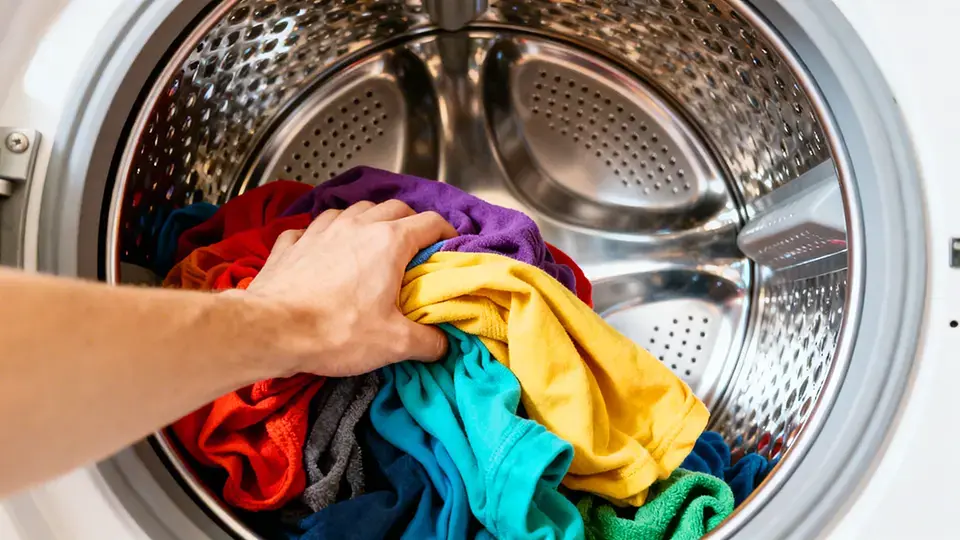
Washing machines are widely regarded as essential household appliances designed to maintain cleanliness and hygiene. However, experts warn that these machines themselves can become environments where mold, bacteria, and residue accumulate if not properly maintained. Recent guidance from home care specialists highlights the importance of regularly cleaning washing machines to prevent odor buildup, microbial growth, and reduced performance.
Although washing machines operate using water and detergent, the internal conditions—particularly moisture, warmth, and detergent residue—can create an environment conducive to microbial development. Over time, this can lead to unpleasant smells, reduced cleaning efficiency, and potential contamination of freshly washed clothes.
Why Washing Machines Can Harbor Mold
Despite their cleaning function, washing machines are not self-cleaning systems. Residual moisture often remains inside the drum, rubber seals, detergent drawers, and internal pipes after each cycle. This trapped moisture provides an ideal environment for mold spores to settle and grow.
Front-loading washing machines are particularly susceptible due to their airtight door seals, which can trap water inside the drum. Rubber gaskets around the door can accumulate moisture, detergent residue, lint, and organic debris—materials that can support fungal growth.
Top-loading machines are generally less prone to mold accumulation but can still develop microbial buildup if not cleaned regularly.

Source: Wikimedia Commons, CC BY-SA 4.0
Common Signs of Contamination
Experts note that one of the earliest indicators of mold or bacterial buildup inside a washing machine is a persistent musty odor. This smell may transfer to clothing during washing cycles, indicating that the appliance is no longer effectively maintaining hygiene.
Visible signs of contamination may include black or dark spots on rubber seals, detergent compartments, or inside the drum. Residue buildup, including soap scum and mineral deposits, may also be present.
In some cases, users may notice that freshly washed laundry smells less clean than expected, which can signal microbial contamination within the machine.
The Role of Detergent and Residue
Modern detergents, particularly liquid formulations, can contribute to residue buildup when used in excess. These residues may accumulate in hidden areas of the washing machine and provide nutrients for microbial growth.
Fabric softeners can also leave behind a coating inside the machine, further contributing to the accumulation of organic material. Combined with moisture, these residues create a favorable environment for mold and bacteria.
Experts recommend using appropriate amounts of detergent and periodically running cleaning cycles to reduce residue buildup.
Recommended Cleaning Methods
Cleaning a washing machine involves targeting multiple components where moisture and residue accumulate. Experts recommend a systematic approach to ensure thorough maintenance.
One commonly recommended method involves running an empty hot-water cycle with a cleaning agent such as vinegar or a specialized washing machine cleaner. High temperatures help dissolve residue and reduce microbial presence.
The rubber door seal should be wiped regularly to remove trapped moisture and debris. Detergent drawers should also be removed and cleaned separately to eliminate buildup.
In addition, the interior drum can be cleaned using appropriate cleaning solutions, ensuring that all surfaces are free from residue and microbial growth.
Importance of Drying and Ventilation
After each washing cycle, leaving the washing machine door open is recommended to allow moisture to evaporate. Proper ventilation reduces the likelihood of mold growth by preventing humidity from becoming trapped inside the appliance.
Regularly drying the rubber gasket and ensuring that internal components are not left damp can significantly reduce the risk of microbial buildup.
Laundry areas should also be well-ventilated to prevent excess humidity from accumulating in the surrounding environment.
Frequency of Maintenance
Experts suggest that washing machines should be cleaned on a regular basis, depending on usage frequency. For households that use washing machines frequently, monthly cleaning cycles are often recommended.
Machines used less frequently may still require periodic maintenance to prevent stagnant moisture from supporting microbial growth.
Routine inspection of machine components can help identify early signs of contamination before they develop into larger issues.
Impact on Clothing and Indoor Hygiene
A poorly maintained washing machine can compromise the cleanliness of clothing. Instead of removing contaminants, the machine may redistribute bacteria and mold spores onto fabrics.
This can lead to persistent odors in clothing and may affect individuals sensitive to allergens or microbial exposure.
Maintaining a clean washing machine therefore contributes not only to appliance performance but also to overall household hygiene and indoor air quality.
Common Microorganisms Found in Washing Machines
Studies of household appliances have identified several types of microorganisms that can inhabit washing machines. These include both bacteria and fungi that thrive in moist, nutrient-rich environments.
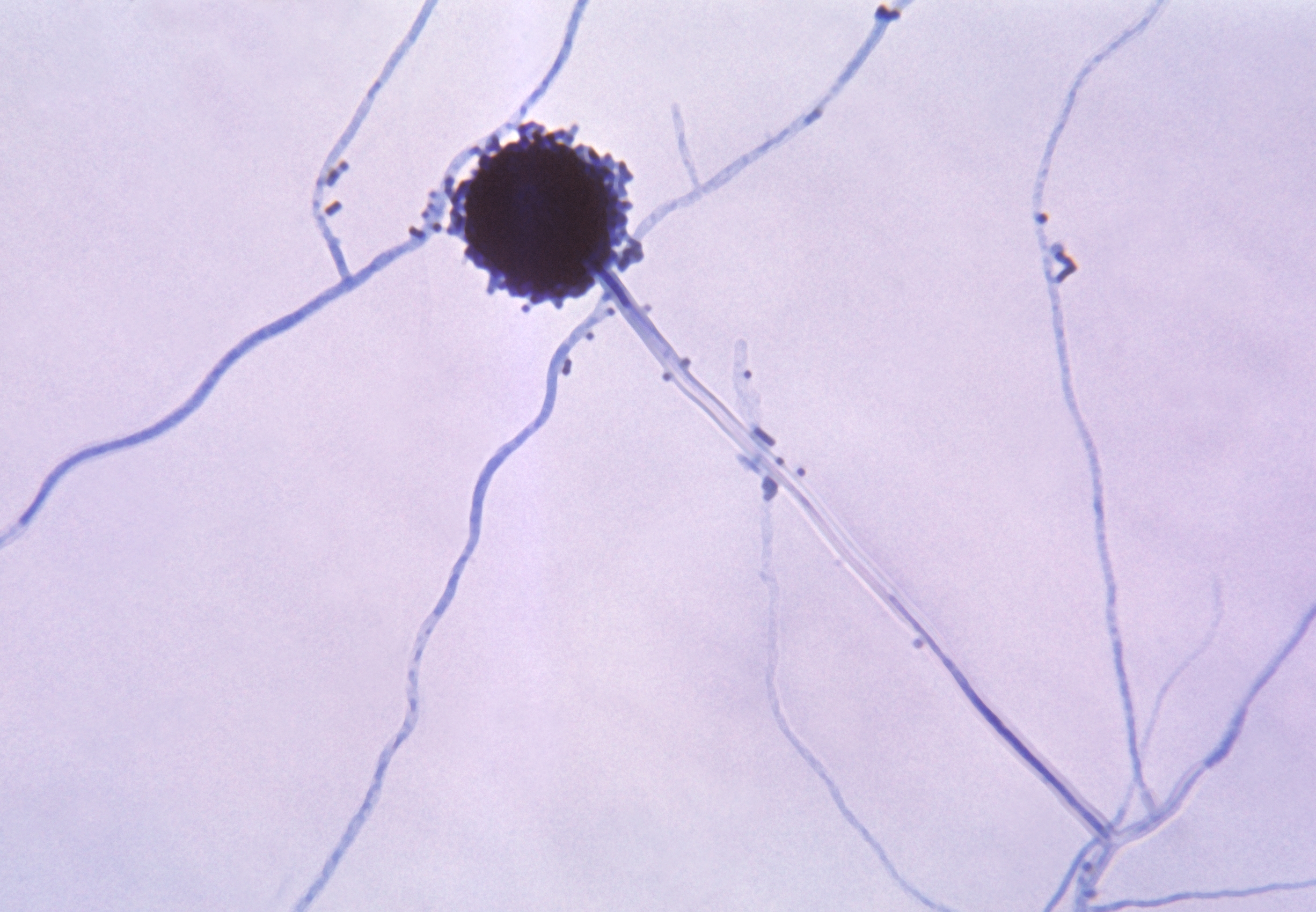
Fungal species commonly associated with damp household environments include members of the genera Aspergillus, Penicillium, and Cladosporium. These organisms can colonize rubber seals, detergent compartments, and other moist surfaces within washing machines.
Another species occasionally found in water-damaged or persistently damp environments is Alternaria, which can grow on organic residues within appliances.
While these microorganisms are commonly present in the environment, their growth within washing machines can be minimized through proper maintenance.
Source: Wikimedia Commons, CC BY-SA 3.0
Preventive Practices for Long-Term Use
Experts emphasize that prevention is more effective than remediation when it comes to washing machine hygiene. Simple daily habits can significantly reduce the likelihood of mold and residue buildup.
These practices include using the correct amount of detergent, avoiding overloading the machine, and ensuring that clothing is not left inside the drum for extended periods after washing.
Regular cleaning cycles, combined with proper ventilation and drying, help maintain optimal appliance performance.
Maintaining Appliance Efficiency
Beyond hygiene, regular cleaning also supports the mechanical efficiency of washing machines. Residue buildup can interfere with water flow, detergent distribution, and overall washing performance.
By keeping internal components clean, users can extend the lifespan of their appliances and ensure consistent cleaning results.
A Routine Often Overlooked
The maintenance of washing machines is often overlooked in household cleaning routines. However, experts stress that regular care of these appliances is essential for maintaining both hygiene and efficiency.
Understanding how moisture, residue, and airflow interact within washing machines allows users to adopt simple practices that prevent microbial growth.
As awareness of indoor environmental health continues to grow, proper maintenance of household appliances is becoming an increasingly important aspect of everyday living.
References
U.S. Environmental Protection Agency (EPA). Mold Guide
NIH (2020). Acetic Acid Antimicrobial Study
According to VERANDA