According to TIMES ENTERTAINMENT
I. The Necessity of Scrutiny in Healthy Eating
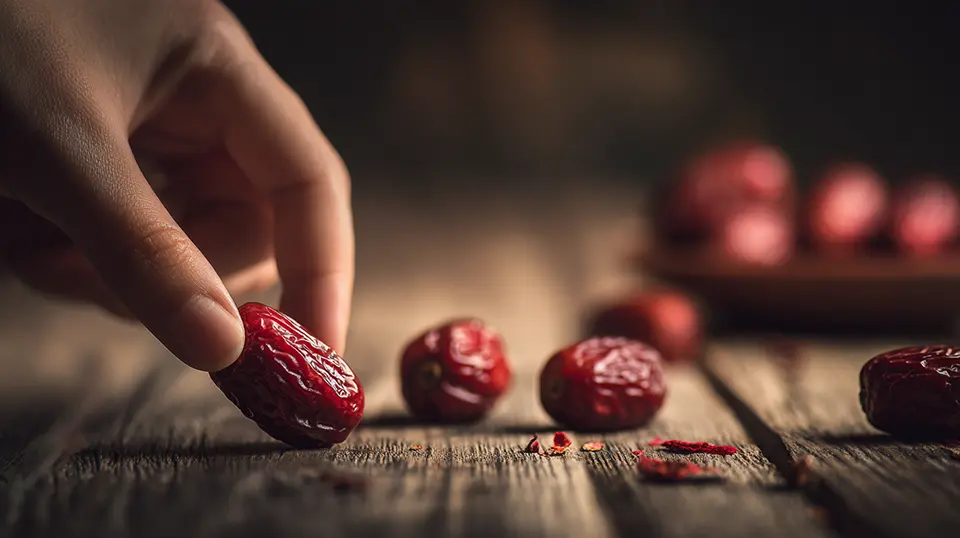
Dates (Phoenix dactylifera) are widely celebrated as a nutritional powerhouse — a natural sweetener packed with fiber, antioxidants, and essential minerals.
However, a viral warning issued by health experts, notably US-based physician Dr. Kunal Sood, highlights a critical, often-overlooked public health risk: the potential for dates to harbor hidden mold, fungal growth, and insect larvae beneath their seemingly intact skins.
This cautionary message is not meant to discourage consumption of this beneficial fruit, but to shift consumer behavior from casual eating to mindful inspection.
Experts emphasize that the unique characteristics of dates — high sugar, moisture, and a sticky interior — make them highly susceptible to microbial contamination, particularly when stored improperly or for extended periods.

Source: Wikimedia Commons, CC BY-SA 3.0
II. The Hidden Contaminants and Health Risks
The internal cavity of a date, especially in softer or older varieties, can become a perfect environment for spoilage, often invisible from the outside.
A. Fungal Contamination and Mycotoxins
The principal threat comes from fungal growth, which can develop inside the fruit even if the exterior appears flawless.
The Risk of Mycotoxins: Mold growing within the sticky interior of a date can produce mycotoxins — poisonous secondary metabolites capable of surviving heat and drying.
Health Outcomes: Ingestion of mycotoxin-contaminated dates can cause food poisoning symptoms such as nausea, diarrhea, and stomach cramps. For individuals with mold sensitivities or allergies, even trace exposure may trigger sneezing, rashes, or wheezing. In severe cases, high exposure can exacerbate asthma or cause flu-like symptoms.

Source: Wikimedia Commons, CC BY-SA 4.0
B. Insect Infestation
The high sugar content that makes dates attractive to humans also makes them a magnet for insects.
Larvae and Bugs: Dates can attract stored-product insects such as Carpophilus hemipterus (dried-fruit beetle) and Ephestia cautella (date moth), which feed and breed inside the fruit, leaving behind larvae or web-like material near the seed cavity.
Storage Issues: This risk increases when dates are stored without airtight protection or exposed to high humidity and heat, allowing insect eggs to hatch unnoticed.
III. The Expert-Recommended Protocol for Date Consumption
To reduce these hidden risks, health professionals now advocate a simple yet mandatory inspection protocol:
Slice Open Every Date
The most important step is to slice each date in half lengthwise before eating. This exposes the interior seed cavity — the most common contamination site.
Visual Inspection
Consumers should look for clear warning signs:
- Black spots or white threads inside the fruit.
- Powdery or web-like residue around the seed.
- Unusual discoloration or slimy texture.
Olfactory Check
Fresh dates emit a mild, caramel-like aroma. A sour or musty smell signals fungal growth or fermentation.
Exterior Check
Discard dates that appear overly sticky, show excessive sugar crystallization, or look unnaturally shriveled — all potential signs of internal spoilage.
IV. Storage and Sourcing: A Preventive Viewpoint
The underlying causes of internal spoilage often relate to post-harvest handling and storage, underscoring the need for consumer diligence after purchase.
Optimal Storage:
- Keep dates in airtight containers to minimize mold spore and insect exposure.
- Refrigerate for long-term storage to slow down microbial activity.
- Avoid warm, humid kitchens or pantries.
Mindful Sourcing:
- Purchase from reputable brands with certified drying and vacuum-sealing processes.
- Organic or pesticide-free options reduce chemical residues but do not prevent mold or insect intrusion.
The consensus among health experts is clear:
Dates are nutritionally valuable, but too vulnerable to hidden contamination to be eaten without inspection.
By making slicing and checking a routine step, consumers can enjoy the fruit’s rich nutrients while avoiding unseen biological hazards.

Source: Wikimedia Commons, CC BY-SA 4.0
References
- WHO (2023). Mycotoxins and Fungal Contamination in Foods.
- FAO (2022). Food Hygiene and Storage Recommendations for Dried Fruits.
- PubMed (2021). Antioxidant and Nutrient Content of Dates.
According to TIMES ENTERTAINMENT