According to TOM’S GUIDE
Silent Threat Above Your Head
Air conditioning spells comfort, especially in sweltering months—but it may harbor a hidden danger: mold. According to home maintenance expert Jeff Berzolla, moist, dark, and dust-laden environments like AC units, vents, and ductwork create ideal conditions for mold and moss. Instead of cooling your home, your system might be circulating spores that affect health, particularly for children, the elderly, and individuals with asthma.

Source: Wikimedia Commons, CC BY-SA 4.0
Why AC Systems Breed Mold—and Why That’s Dangerous
Mold thrives where moisture meets organic debris. When warm, humid air passes over cold AC coils, condensation forms. This, combined with dust and pollen sucked into the system, forms a microbial petri dish. As the system circulates air, it distributes these spores into every room, potentially causing headaches, respiratory irritation, and allergic reactions—especially if contamination continues unnoticed.
Early Warnings That Often Go Unnoticed
Symptoms of mold exposure include coughing, skin rashes, headaches, and difficulty concentrating. As Berzolla notes, contamination often spreads silently, with symptoms only surfacing weeks later. By that point, significant spore loads have likely accumulated, making mitigation more challenging and health outcomes more serious.

Source: Wikimedia Commons, CC BY-SA 4.0
Smart Maintenance to Prevent AC Mold
Proactive AC upkeep can drastically reduce mold risk:
- Change filters every 30–60 days during peak usage to maintain airflow and reduce moisture buildup.
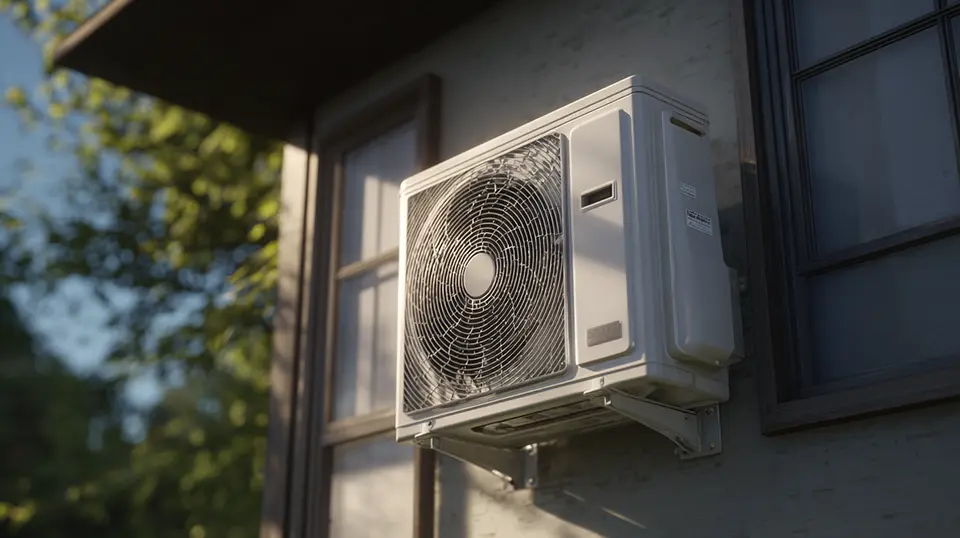
- Clean the outdoor unit, removing plant debris and trimming vegetation to prevent blockages.
- Check the condensate drain pan for standing water—a major red flag.
- Schedule professional duct cleanings every 3–5 years, or immediately when visible mold or foul odors are spotted.

Source: Wikimedia Commons, CC BY-SA 4.0
Key Inspection Points
Regular DIY checks are essential:
- Inspect the drain pan and coil area for visible green or fuzzy growth.
- Look around vents and duct access points—attics and basements—for discoloration or water damage.
Any such signs indicate it’s time for a professional to step in.
Vulnerable Populations Face Elevated Risks
Mold exposure can trigger or worsen asthma attacks, sinus inflammation, and allergic reactions. Children and seniors are especially at risk. Berzolla emphasizes that families may experience unexplained health problems for months before discovering contaminated HVAC systems are the root cause.
Why Mold-Laden AC Systems Cost More Than Health
Beyond illness, mold can impair HVAC efficiency, increase energy bills, and shorten system life. Neglected maintenance leads to clogged filters, inefficient cooling cycles, and component wear—ultimately demanding costly repairs or replacements.
Taking Immediate Action
To protect your home, ensure:
- Timely filter replacements.
- Outdoor unit clearance and cleaning.
- Condensate line maintenance.
- Rapid professional intervention if mold is suspected.
These steps enhance both indoor air quality and system performance.
Tech Upgrades and Long-Term Strategies
Upgrading to systems with UV filters, moisture sensors, or humidity regulation can help proactively prevent mold buildup. Installation of HEPA filters also boosts air quality for sensitive occupants.

Source: Wikimedia Commons, CC BY-SA 3.0
The Bottom Line: Prevention Pays Off
While AC systems deliver welcome relief, they can silently harm health if ignored. Regular maintenance, consistent monitoring for mold, and timely professional care are necessary to ensure your air conditioner cools safely. Preventing mold is not just about comfort—it’s about preserving health.
References
Mayo Clinic. Sinusitis: Symptoms and Causes.
Mayo Clinic. Asthma: Symptoms and Causes.
According to TOM’S GUIDE