According to NEWS MEDICAL LIFE SCIENCES
The Overlooked World in Our Guts
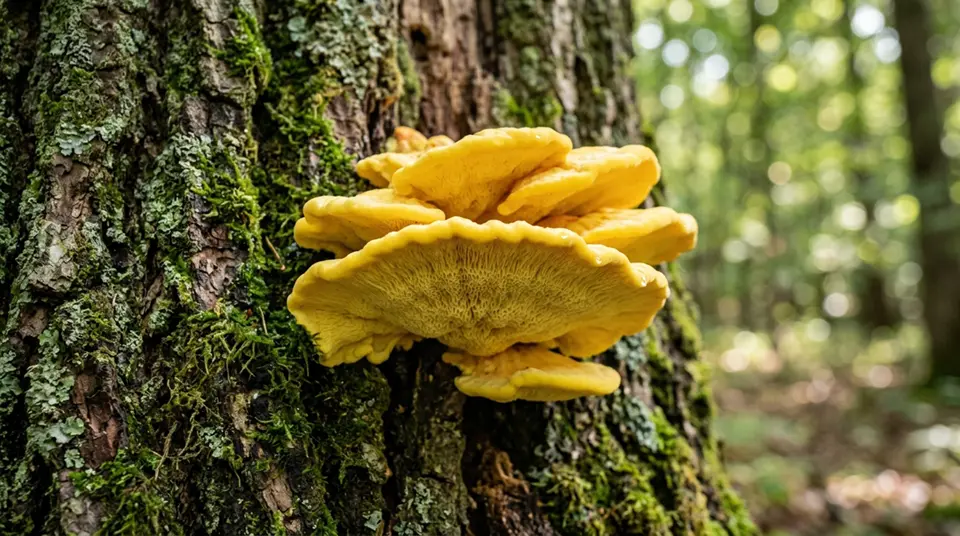
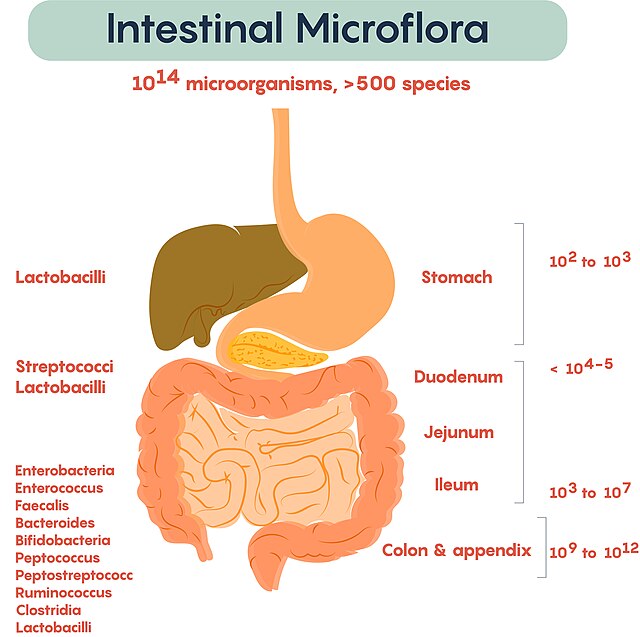
We often hear about the gut microbiome — the teeming population of bacteria that shapes digestion, immunity, and even mental health. But nestled alongside those bacteria is a less familiar community of microorganisms: the mycobiome, made up of fungi that quietly inhabit the digestive tract.
For years, this fungal presence was treated as incidental — passive passengers in a bacterial world. But new research is now painting a different picture. Not only does the gut mycobiome play an active role in human health, but it may also be shaped by our genes — and, in turn, linked to the development of chronic diseases.
A landmark study published by researchers from the University of Trento, the European Bioinformatics Institute (EMBL-EBI), and collaborators across multiple institutions has uncovered associations between human genetic variation, gut fungi, and disease markers — ushering in a new chapter in the science of host-microbe interactions.

Source: Wikimedia Commons, CC BY-SA 3.0
The Study at a Glance
In the most comprehensive investigation of its kind, scientists analyzed multi-omics data from over 600 healthy individuals in the Dutch Microbiome Project, including:
- Whole-genome sequencing (human genetics)
- Fecal fungal DNA profiling (gut mycobiome composition)
- Dietary data
- Blood biomarkers related to immunity and inflammation
The researchers found that certain human gene variants correlate with the presence or abundance of specific fungal genera in the gut. These genetic–fungal links, in turn, were associated with risk factors for chronic diseases, including:
- Inflammatory Bowel Disease (IBD)
- Type 2 Diabetes
- Allergies and autoimmune disorders
- Elevated inflammatory markers
This multi-dimensional approach — connecting the dots between DNA, fungi, and disease risk — opens up entirely new paths for understanding human health.

Source: Wikimedia Commons, CC BY-SA 4.0
Fungal Players in the Gut
Among the fungi highlighted in the study were genera such as:
- Candida (including Candida albicans) – known for both its commensal and pathogenic roles
- Saccharomyces – used in fermentation but also present in human intestines
- Malassezia – more often associated with the skin, but increasingly found in the gut
- Debaryomyces and Pichia – yeast species that may influence gut metabolism
These fungi are not always harmful. In fact, in healthy individuals, they may play roles in nutrient processing, immune training, and competition with pathogens. However, imbalances — or dysbiosis — in the mycobiome have been linked to gut inflammation and systemic disease.

Source: Wikimedia Commons, CC BY-SA 3.0
Genes and Fungi: The Hidden Dialogue
The study identified specific human genetic variants that were associated with the abundance of gut fungi. Notably:
- Variants near the TLR genes (Toll-like receptors), which are involved in immune system recognition of microbes, correlated with fungal diversity.
- Genes related to intestinal barrier function influenced the abundance of Candida.
- Variants in HLA regions, key for immune response, were linked to differential fungal colonization.
This suggests that our innate immunity and mucosal defense mechanisms — determined in part by our genes — help shape which fungi thrive inside us.
More intriguingly, certain combinations of human and fungal genetic markers were associated with blood biomarkers related to chronic inflammation — offering early clues about how fungi might contribute to, or result from, disease processes.

Double helix structure
Source: Wikimedia Commons, CC BY-SA 4.0
Beyond Bacteria: A Paradigm Shift
The human microbiome field has been dominated by bacteria-focused research for the past two decades. But this study reinforces what many microbiologists have long suspected: fungi are not just side characters in the microbiome story — they are key actors, especially in immune-modulated diseases.
One reason fungi have been overlooked is their lower abundance in the gut compared to bacteria. But what they lack in numbers, they may make up for in potency. Fungal cells are structurally complex, contain immunogenic components like β-glucans, and interact with both host tissue and other microbes in unique ways.
The fact that human genetics shape these fungal populations — and that this relationship connects to disease — demands a new, multi-kingdom approach to microbiome science.
Chronic Disease Connections
The implications of the study touch on several key conditions:
- Inflammatory Bowel Disease (IBD): Variants linked to fungal colonization overlapped with genes known to predispose individuals to IBD. Certain fungi may aggravate gut inflammation in genetically susceptible individuals.
- Metabolic Disease: A higher abundance of Candida and Saccharomyces species was associated with insulin resistance and pro-inflammatory markers, suggesting a potential role in type 2 diabetes risk.
- Allergies and Autoimmunity: The study supports previous findings that fungal exposure shapes immune tolerance — and that genetic variation determines who reacts pathologically.
This aligns with emerging research that the mycobiome may influence the onset and severity of immune disorders, particularly when early-life exposures or antibiotics disrupt fungal–host equilibrium.
Personalized Medicine and the Mycobiome
One of the most promising aspects of this research is its relevance to personalized health.
By mapping the interaction between host genetics and gut fungi, researchers are laying the groundwork for:
- Predictive models for disease susceptibility
- Customized microbiome therapies that consider not just bacteria but fungi
- Targeted dietary interventions to support beneficial fungal populations
- New antifungal or probiotic treatments for chronic inflammation
As sequencing becomes cheaper and more accessible, integrating fungal profiling into routine microbiome analysis could help clinicians offer more tailored advice — especially for individuals with autoimmune or metabolic conditions.
Open Questions and Future Directions
While this study is a milestone, it also raises many important questions:
- What drives fungal colonization in early life — birth mode, breastfeeding, antibiotics, or diet?
- How stable is the mycobiome over time, and how does it change with age or illness?
- Can mycobiome-targeted therapies — such as yeast probiotics or antifungals — meaningfully alter disease progression?
The research team hopes to expand their work into longitudinal studies, looking at how gene-fungus interactions evolve over time and whether interventions can shift health outcomes.
The Takeaway: A New Era of Gut Science
This groundbreaking research offers a clear message: to fully understand human health, we must look not just at bacteria or genes in isolation, but at their complex interplay with the fungal world inside us.
The gut mycobiome, once considered an afterthought, may be a critical player in disease development, immune balance, and even therapeutic success.
For scientists, it means embracing a multi-omics, multi-kingdom approach. For clinicians, it may soon mean adjusting how we assess and manage chronic conditions. And for all of us — it’s a reminder that the ecosystems inside us are far more intricate, intelligent, and interconnected than we ever imagined.
Source: Wikimedia Commons, CC BY-SA 4.0
References
European Bioinformatics Institute (EMBL-EBI).
According to NEWS MEDICAL LIFE SCIENCES