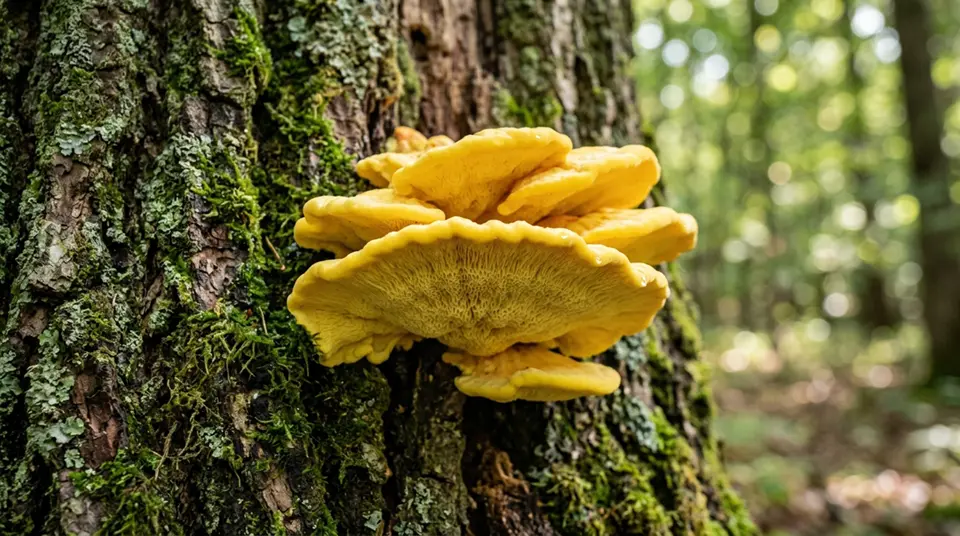
According to FOOD&WINE
The global food industry has entered a new phase of biotechnology with the approval of a gene-edited fungus for food use, a development that signals both scientific progress and renewed public debate. Unlike genetically modified organisms (GMOs) that incorporate foreign DNA, this fungus was altered using precision gene-editing techniques to enhance specific traits without introducing genes from other species. Regulators have determined that the product does not meet the legal definition of a genetically modified organism under current U.S. guidelines, clearing the way for its commercial application.
This decision places fungi at the forefront of food biotechnology innovation. While yeasts and molds have long played central roles in fermentation—producing bread, cheese, beer, wine, and soy-based foods—the deliberate genetic refinement of fungi for food use raises questions that extend beyond science. It touches on consumer perception, regulatory transparency, and how societies define “natural” food in an era of molecular biology precision.
From my perspective as a journalist covering environmental and microbial risk, this moment reflects a broader shift: fungi are no longer only traditional fermentation partners but engineered biological platforms shaping the future of food production.

Source: Wikimedia Commons, CC BY-SA 4.0
What Was Approved and Why It Matters
The fungus at the center of this approval was modified using gene-editing techniques to improve production efficiency and consistency in food manufacturing. The edits involve targeted changes to existing genetic sequences rather than the addition of external genes. As a result, regulators concluded that the organism is biologically similar to strains that could arise through conventional breeding or spontaneous mutation.
This distinction is crucial. In regulatory terms, the fungus is treated differently from classic genetically modified organisms, which are subject to stricter oversight and labeling requirements. Under current rules, the gene-edited fungus can enter the food supply without mandatory GMO labeling, provided it meets food safety and quality standards.
The approval opens the door for broader use of gene-edited fungi in food processing, particularly in fermentation-based products where fungi serve as production engines for enzymes, flavors, proteins, and texture-modifying compounds.

Source: Wikimedia Commons, CC BY-SA 4.0
How Gene Editing Changes Fungi
Gene editing allows scientists to make precise changes to an organism’s DNA, often by turning genes on or off or fine-tuning how strongly they are expressed. In fungi, this can lead to:
- improved growth efficiency
- increased yield of desired compounds
- reduced production of unwanted byproducts
- enhanced stability during industrial fermentation
- lower resource consumption
These changes can make food production more sustainable by reducing waste, energy use, and raw material demand. Supporters argue that gene-edited fungi could help meet growing global food demand while lowering environmental impact.
However, critics caution that precision does not automatically equate to predictability. Even small genetic changes can alter metabolic pathways in complex ways, underscoring the importance of rigorous safety evaluation.

Source: Wikimedia Commons, CC BY-SA 4.0
Regulatory Perspective: Safety and Classification
Regulatory agencies emphasize that the gene-edited fungus underwent a safety assessment focused on toxicity, allergenicity, and functional equivalence to existing food-grade fungi. Officials concluded that the organism does not present a greater risk than traditionally used fungal strains.
The classification decision reflects an evolving regulatory framework that distinguishes gene editing from older genetic modification methods. This approach is intended to encourage innovation while maintaining food safety standards.
Yet the regulatory clarity also exposes a gap between scientific assessment and public understanding. Many consumers do not differentiate between genetic modification and gene editing, and the absence of mandatory labeling may fuel skepticism rather than trust.
My Perspective: Innovation Moves Faster Than Public Dialogue
From my viewpoint, the approval of a gene-edited fungus for food use is not inherently alarming, but it is incomplete without meaningful public engagement. Fungi already shape our diets in profound ways, often invisibly. Gene editing simply accelerates and directs processes that humans have relied on for centuries.
That said, food is not only a technical product; it is cultural, emotional, and deeply personal. Transparency matters as much as safety. When regulatory decisions outpace public conversation, they risk eroding trust—even when science supports the outcome.
This moment highlights the need for clearer communication about what gene editing is, what it is not, and how it differs from earlier genetic technologies. Without that clarity, innovation may succeed technically but stumble socially.
Potential Benefits for the Food System
Supporters of gene-edited fungi point to several long-term advantages:
1. Sustainability
Fungal fermentation can replace resource-intensive animal agriculture or plant-based ingredients, lowering land use and water use.
2. Supply Stability
Engineered fungi can produce consistent outputs regardless of climate variability, strengthening food security.
3. Reduced Chemical Inputs
More efficient fermentation may reduce the need for preservatives or processing aids.
4. Innovation in Alternative Proteins
Fungi are emerging as platforms for alternative proteins with customizable textures and flavors.
These benefits align with global efforts to reduce the environmental footprint of food production.

Source: Wikimedia Commons, CC BY-SA 4.0
Remaining Questions and Concerns
Despite regulatory approval, important questions remain:
- How will long-term consumption be monitored?
- Should gene-edited foods be labeled for transparency, even if not legally required?
- How will global trade partners respond to differing regulatory definitions?
- What safeguards ensure that edits do not produce unintended metabolites?
These are not arguments against gene-edited fungi, but reminders that governance must evolve alongside technology.
Broader Implications: Fungi as Food Infrastructure
This approval signals a future where fungi are no longer just ingredients but infrastructure—living systems engineered to produce food components at scale. As this trend accelerates, fungi will sit at the intersection of microbiology, agriculture, climate strategy, and ethics.
In many ways, fungi are well suited for this role. They grow rapidly, adapt efficiently, and already have a long history of safe use in food. Gene editing amplifies these strengths, but it also magnifies responsibility.
References (All Clickable)
- FDA. Substances Added to Food.
- Food and Agriculture Organization of the United Nations (FAO). Food Security.
According to FOOD&WINE