According to SCI TECH DAILY
Forests across large parts of the world continue to suffer severe damage from bark beetle infestations, which have intensified in recent decades due to climate change, drought, and rising temperatures. A new scientific finding highlights an unexpected biological counterforce: a fungus capable of turning bark beetles’ own chemical defenses against them.
The research reveals how this fungus interferes with beetle survival mechanisms, shedding light on a previously underappreciated ecological interaction between insects and fungi. Scientists say the discovery could help deepen understanding of natural pest regulation in forest ecosystems and may eventually inform more sustainable forest management strategies.

Source: Wikimedia Commons, CC BY-SA 4.0
Bark Beetles and Their Impact on Forests
Bark beetles are small insects, but their ecological impact is enormous. By burrowing beneath tree bark to feed and reproduce, they disrupt the flow of nutrients and water within trees, often leading to widespread tree mortality.
Under normal conditions, beetle populations are kept in check by predators, cold temperatures, and tree defenses. However, prolonged drought and warmer winters have weakened trees and reduced natural beetle mortality, allowing outbreaks to expand rapidly.
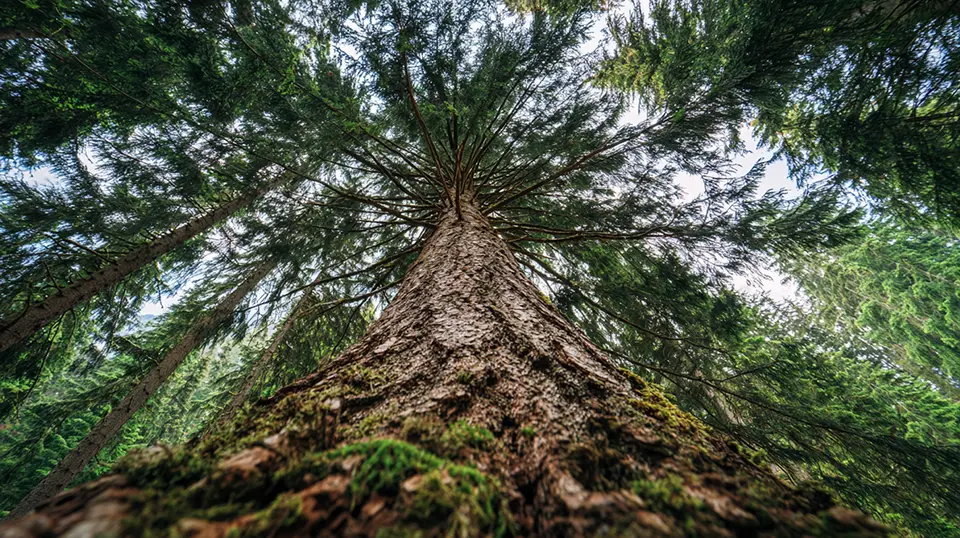
These infestations have transformed millions of hectares of forest, increasing wildfire risk, altering habitats, and releasing large amounts of stored carbon into the atmosphere.

Source: Wikimedia Commons, CC BY-SA
How Bark Beetles Defend Themselves
To survive inside trees, bark beetles rely heavily on chemical defenses. Trees produce toxic resins and defensive compounds designed to repel or kill invading insects. In response, bark beetles have evolved biochemical systems that detoxify these compounds, allowing them to colonize tree tissue successfully.
Some beetle species also depend on symbiotic microorganisms to help neutralize tree defenses. These interactions have long been seen as a key reason for the beetles’ success in overcoming even relatively healthy trees.
The new research, however, shows that these same defense mechanisms can be exploited.
The Fungus That Turns the Tables
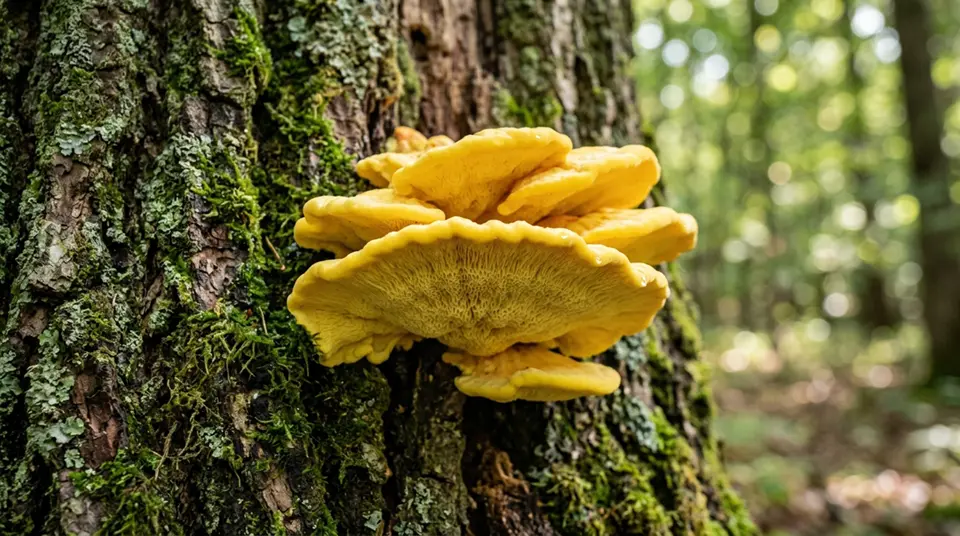
Scientists studying beetle-associated fungi identified a fungal species that can manipulate beetle detoxification pathways. Instead of being harmed by tree defense chemicals, the fungus uses them to generate compounds that are toxic to the beetles themselves.
In effect, the fungus hijacks the beetles’ own biochemical systems, transforming what is normally a protective process into a vulnerability. As beetles attempt to neutralize tree toxins, the fungus converts those substances into lethal byproducts, reducing beetle survival.
This finding challenges the assumption that beetle-associated fungi always benefit their insect hosts. Instead, it reveals a more complex and dynamic relationship.
A Shift in Understanding Insect–Fungus Relationships
Traditionally, fungi associated with bark beetles have been viewed primarily as allies that assist beetles in colonizing trees. The new evidence suggests that these relationships can be antagonistic as well as cooperative.
Researchers note that fungal species vary widely in their ecological roles. Some enhance beetle success, while others may limit beetle populations under certain conditions.
This duality highlights the importance of studying fungal diversity and function at a finer scale, rather than treating beetle-associated fungi as a single functional group.
Why This Discovery Matters
The discovery has significant implications for forest ecology. Bark beetle outbreaks are often described as runaway processes, difficult to stop once established. Natural biological controls, such as predators and pathogens, are increasingly seen as critical components of long-term forest resilience.
Understanding how fungi naturally suppress beetle populations could help scientists identify conditions under which outbreaks decline without human intervention. It also underscores the role of microorganisms as active participants in ecosystem regulation, rather than passive background organisms.
Potential Applications in Forest Management
While the research does not immediately translate into a deployable control method, it opens new avenues for exploration. Rather than relying solely on chemical pesticides or large-scale tree removal, forest managers may eventually benefit from strategies that support natural fungal communities capable of limiting beetle populations.
Any practical application would require careful evaluation. Introducing or manipulating fungi in forest environments carries ecological risks and ethical considerations. Researchers emphasize that the goal is not to engineer fungal releases but to understand and support existing ecological processes.
Climate Change and the Importance of Biological Controls
Climate change has shifted the balance between trees, insects, and microorganisms. Warmer temperatures allow beetles to reproduce more frequently, while drought-stressed trees are less capable of producing defensive resins.
In this context, biological checks such as fungal antagonists may become increasingly important. As chemical and mechanical control methods face limitations, interest is growing in nature-based solutions that align with ecosystem dynamics.
The discovery illustrates how subtle biochemical interactions can influence large-scale ecological outcomes.
Limits and Cautions
Researchers caution that fungal effects on beetle populations are context-dependent. Environmental conditions, tree species, beetle genetics, and microbial community composition all influence outcomes.
The fungus identified in the study does not eliminate beetles entirely and should not be seen as a standalone solution. Instead, it represents one component of a complex ecological network that determines forest health.
Further research is needed to understand how widespread this mechanism is and how it interacts with other biological controls.
Broader Implications for Ecology
Beyond forest pest management, the findings contribute to a broader understanding of how organisms repurpose chemical defenses in ecological interactions. Similar mechanisms may exist in other insect–fungus systems, with implications for agriculture, conservation, and evolutionary biology.
The research reinforces the idea that fungi are not merely decomposers but active chemical engineers within ecosystems, shaping interactions in ways that are only beginning to be understood.
Conclusion
The identification of a fungus that turns bark beetles’ own defenses against them offers a new perspective on forest ecology and pest dynamics. Rather than viewing beetle outbreaks solely as a consequence of insect behavior, the research highlights the influence of microbial interactions and biochemical complexity.
As forests face mounting pressures from climate change, such insights may prove essential for developing sustainable, science-based approaches to ecosystem stewardship.
References
According to SCI TECH DAILY