According to UNIVERSITY OF OXFORD
A New Perspective on Ecosystem Recovery
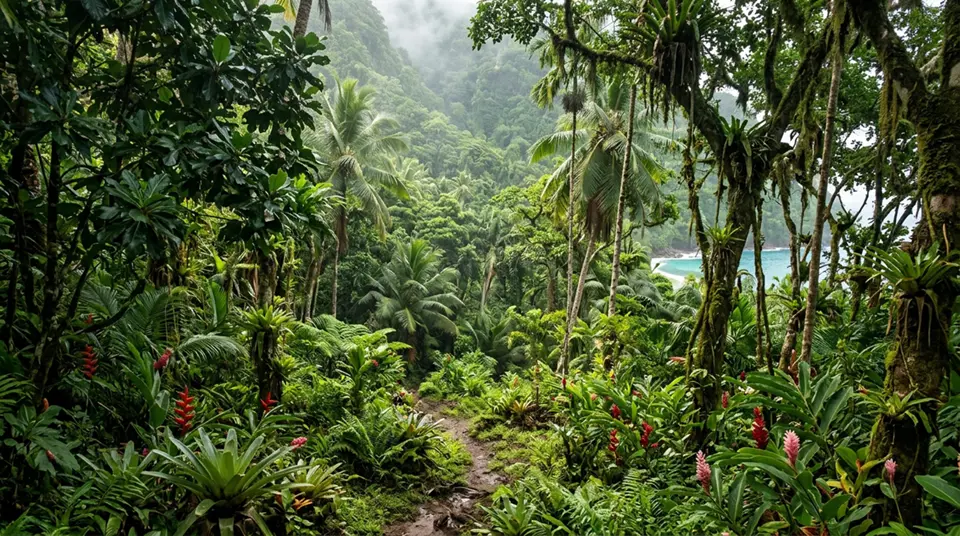
A recent study highlighted by University of Oxford has revealed that fungi play a crucial role in the restoration of degraded tropical island ecosystems. The findings suggest that successful ecological recovery depends not only on replanting vegetation but also on rebuilding the complex microbial networks that support plant growth.
This research challenges traditional restoration approaches that focus primarily on visible plant species, emphasizing instead the importance of below-ground biological systems.

The Hidden Foundation of Ecosystems
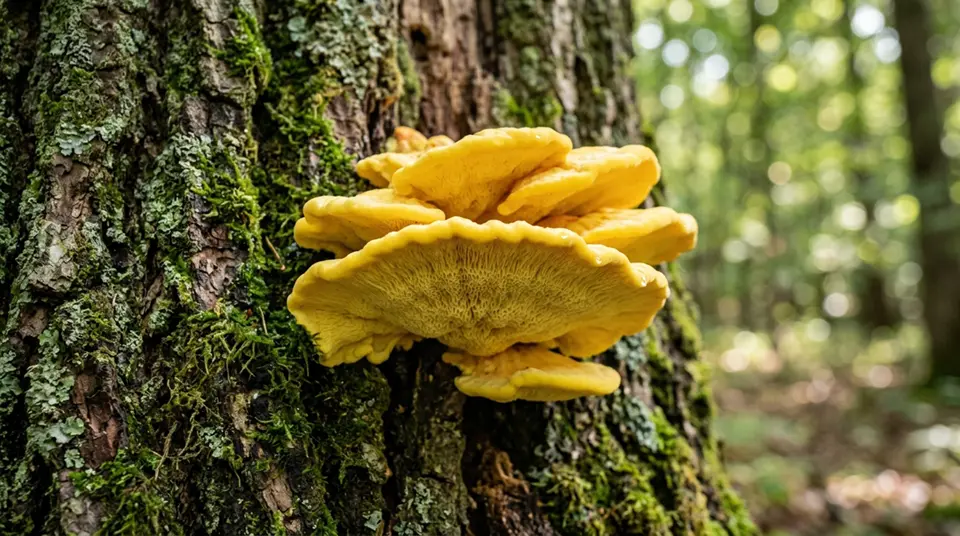
Fungi form extensive networks in the soil, connecting plant roots and facilitating the exchange of nutrients. These underground systems, often referred to as mycorrhizal networks, enable plants to access essential resources such as nitrogen, phosphorus, and water more efficiently.
In degraded tropical islands—where soil quality is often poor due to deforestation, erosion, or human activity—these fungal networks may be severely disrupted. Without them, newly planted vegetation struggles to establish itself, limiting the effectiveness of restoration efforts.
The study highlights that reintroducing or supporting fungal communities can significantly improve plant survival and ecosystem recovery.
Supporting Plant Establishment and Growth
One of the key findings is that fungi enhance the ability of plants to take root in challenging environments. By improving nutrient uptake and stabilizing soil conditions, fungi create a more supportive environment for young plants.
This interaction is particularly important in tropical island ecosystems, where nutrient availability can be limited and environmental conditions fluctuate. Fungal associations help plants adapt to these conditions, increasing their chances of long-term survival.
The research indicates that restoration strategies incorporating fungi lead to more robust plant growth compared to approaches that rely solely on planting vegetation.

Soil Health and Long-Term Stability
Beyond immediate plant growth, fungi contribute to long-term soil health. They play a role in decomposing organic material, recycling nutrients, and improving soil structure. These processes are essential for maintaining a stable and self-sustaining ecosystem.
In restored environments, the presence of active fungal communities helps rebuild the natural cycles that support biodiversity. This creates conditions where ecosystems can continue to develop without ongoing human intervention.

Implications for Global Restoration Efforts
The findings have broader implications for ecological restoration projects worldwide. As efforts to restore degraded landscapes increase, understanding the role of microorganisms becomes increasingly important.
Incorporating fungi into restoration strategies may enhance the success rate of projects, reduce costs, and accelerate recovery timelines. This approach aligns with a more holistic view of ecosystems, recognizing the interconnectedness of plants, microbes, and environmental conditions.
Challenges in Implementation
Despite the potential benefits, integrating fungi into restoration practices presents challenges. Identifying the appropriate fungal species, ensuring their survival, and managing their interactions with existing ecosystems require careful planning.
Environmental variability, including climate change and soil composition, can influence the effectiveness of fungal introduction. Researchers must also consider how these organisms interact with local biodiversity to avoid unintended consequences.
Further research is needed to develop practical methods for applying these findings in large-scale restoration projects.
A Shift Toward Microbial Ecology
The study reflects a broader shift in ecological science toward understanding the role of microorganisms in shaping environments. Rather than focusing solely on visible components of ecosystems, researchers are increasingly examining the microscopic processes that drive ecological function.
Fungi, as key players in these processes, are gaining recognition for their ability to influence plant communities, soil dynamics, and overall ecosystem resilience.
Environmental and Climate Considerations
Restoring tropical islands is not only a matter of biodiversity but also of climate resilience. Healthy ecosystems can store carbon, protect against erosion, and support local communities.
By enhancing restoration efforts through fungal integration, scientists may contribute to broader environmental goals, including climate change mitigation and sustainable land management.

Toward More Effective Restoration Strategies
The research underscores the importance of adopting comprehensive approaches to ecosystem restoration. Including fungi as a central component of these strategies represents a move toward more effective and sustainable outcomes.
This perspective encourages collaboration between disciplines, combining insights from microbiology, ecology, and environmental science to address complex challenges.
A Hidden Ally in Environmental Recovery
Fungi, often overlooked in discussions of restoration, are emerging as essential partners in rebuilding degraded ecosystems. Their ability to support plant growth, improve soil health, and maintain ecological balance positions them as a critical element in future restoration efforts.
As understanding of these processes continues to grow, fungi may become a standard component of restoration practices, helping to restore not only landscapes but also the intricate systems that sustain them.
References
FAO Forest Resources Assessment
According to UNIVERSITY OF OXFORD