According to USA TODAY
A New Perspective on Invisible Atmospheric Events
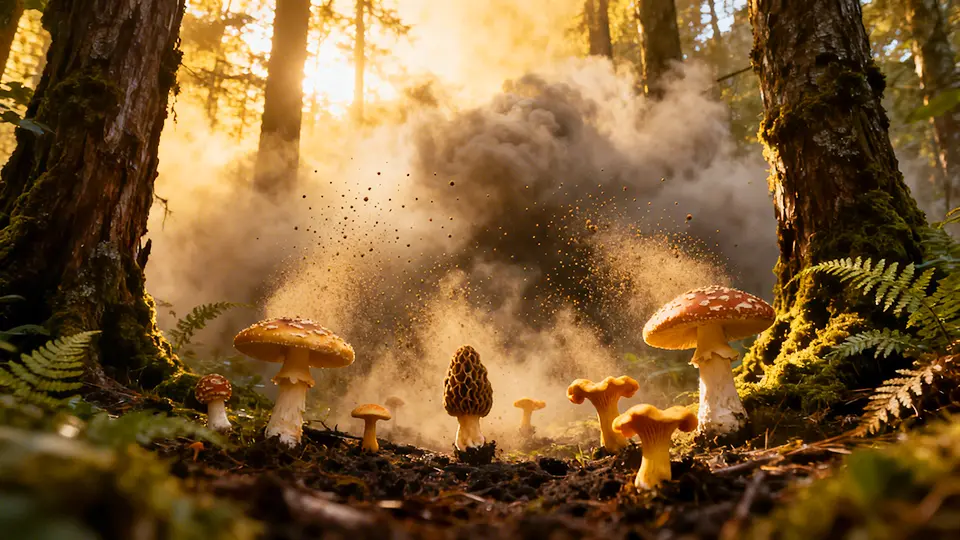
Scientists are increasingly examining a phenomenon sometimes described as “fungal storms,” in which massive quantities of fungal spores become airborne and travel long distances through the atmosphere. According to the report, these events are not storms in the traditional meteorological sense, but rather large-scale dispersal processes involving dust, wind systems, and biological particles (NOAA Atmospheric Science).
These airborne movements can transport spores across regions, continents, and even oceans, making fungi part of a global atmospheric system that is still not fully understood (NASA Earth Observatory).

Sandstorms, which are common over the Sahara, occur when large amounts of dust particles from the desert are swept up by strong winds. They can float for days or even weeks, depending on how dry, fast and turbulent the air masses become. Winds in the higher troposphere can then transport the dust across oceans and continents. This kind of Saharan dust storm is also known as the Saharan Air Layer, which typically forms between late spring and early autumn.
What Are Fungal Storms?
Fungal storms refer to the large-scale release and movement of fungal spores into the air, often carried by dust plumes, wind currents, or weather systems. These spores are microscopic reproductive units produced by fungi and are naturally present in both indoor and outdoor environments (CDC Mold Basics).
Under certain conditions—such as dry soil, strong winds, or disturbed landscapes—spores can be lifted into the atmosphere in significant quantities. Once airborne, they may travel long distances before settling in new environments.
The report emphasizes that this process is a natural part of fungal ecology, enabling species to disperse and colonize new habitats.
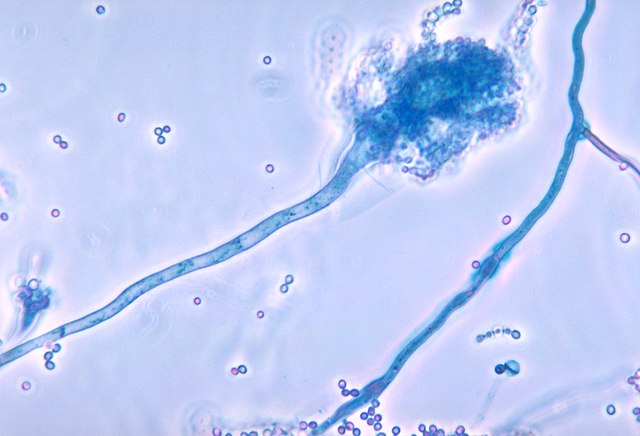
Fungal Spores in the Atmosphere
Fungal spores are among the most abundant biological particles in the atmosphere (NCBI Airborne Fungi Study). They vary in size, shape, and structure, and their presence fluctuates depending on environmental conditions such as humidity, temperature, and vegetation.
Some spores are released continuously, while others are emitted in response to specific triggers, such as rainfall or mechanical disturbance. Once airborne, they can remain suspended for extended periods before settling.
The report highlights that these spores are not passive particles but active components of atmospheric ecosystems.
Potential Impact on Weather and Climate
One of the key areas of interest is how fungal spores may influence weather processes. Some spores can act as ice nucleators, helping water droplets in clouds freeze and form precipitation (Nature Climate Research).
This means that biological particles, including fungi, may play a role in cloud formation and rainfall patterns. While this influence is still being studied, it suggests that fungi are part of a broader interaction between biology and atmospheric physics.
Understanding this relationship could improve climate models and weather predictions.

Health Implications of Airborne Spores
The widespread presence of fungal spores in the air has implications for human health. For many individuals, exposure to spores can trigger allergic reactions, including sneezing, coughing, and respiratory irritation (WHO Air Quality and Health).
In certain cases, high concentrations of spores may exacerbate asthma or other respiratory conditions. The report notes that airborne fungal particles can contribute to seasonal allergy patterns, particularly in regions with high humidity or vegetation.
However, most spores do not cause disease in healthy individuals, and their impact varies depending on sensitivity and exposure levels.
Environmental and Ecological Significance
Fungal dispersal through the atmosphere is an essential ecological process. By spreading spores across different environments, fungi contribute to ecosystem diversity and resilience (FAO Ecosystem Functions).
They play a key role in decomposition, nutrient cycling, and plant interactions. The ability to travel long distances allows fungi to colonize new areas, adapt to changing conditions, and maintain ecological balance.
This dispersal mechanism also connects ecosystems across geographic boundaries.
Monitoring and Research Challenges
Studying airborne fungal spores presents several challenges. Their microscopic size and vast numbers make them difficult to track and quantify. Researchers rely on specialized sampling equipment and atmospheric modeling to estimate their distribution.
Advances in technology, including genetic analysis and remote sensing, are helping scientists better understand how spores move through the atmosphere and how they interact with environmental systems.
Despite these advances, many aspects of fungal dispersal remain uncertain.
Common Airborne Fungal Species
Several fungal species are commonly found in airborne samples. These include Aspergillus, Penicillium, and Cladosporium, which are widespread in both natural and urban environments.
Other species, such as Alternaria alternata, are known for their role in triggering allergic responses. These fungi produce spores that can easily become airborne and travel significant distances.
The diversity of airborne fungi reflects the complexity of the ecosystems from which they originate.
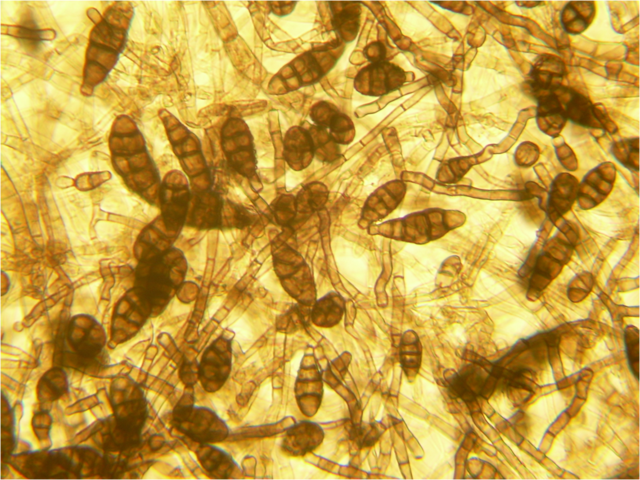
A Global Biological Network in the Air
The concept of fungal storms highlights the idea that the atmosphere is not just a physical system but also a biological one. Air currents connect ecosystems by transporting living particles, including spores, bacteria, and pollen.
This perspective expands the understanding of how life interacts with the environment, showing that biological processes extend far beyond local habitats.
Fungi, through their spores, become participants in a global network that links soil, plants, and atmospheric systems.
Scientific Caution and Interpretation
While the term “fungal storm” captures public attention, scientists emphasize that it is a descriptive concept rather than a formal classification. The processes involved are well-established aspects of fungal biology and atmospheric science.
Researchers caution against overstating the phenomenon, noting that spore dispersal is a continuous and natural process rather than a sudden or unusual event.
The significance lies in recognizing the scale and impact of these processes, rather than redefining them as new types of storms.
Implications for Future Research
The study of airborne fungi is expected to expand as researchers seek to understand their role in climate systems, public health, and ecosystem dynamics. Improved monitoring techniques may allow for more accurate predictions of spore movement and concentration.
This knowledge could inform strategies for managing allergy risks, improving air quality, and understanding environmental change.
A Broader View of Invisible Systems
The report ultimately highlights how much of the natural world operates beyond direct human perception. Fungal spores, though invisible to the naked eye, are constantly moving through the air, shaping ecosystems and interacting with weather systems.
Recognizing these hidden processes provides a more comprehensive view of how the environment functions.
References
NOAA. Atmospheric Science Overview.
According to USA TODAY