According to CITIZEN TIMES
In recent years, the concept of “fungal storms” has begun to circulate in public discussions, raising questions about whether such events are real environmental threats or simply misinterpretations of known airborne fungal phenomena. A recent report from Citizen Times examines this issue in the context of North Carolina, where environmental conditions can support significant fungal activity.
At first glance, the term “fungal storm” may suggest a dramatic, large-scale biological event similar to dust storms or pollen surges. However, experts clarify that no formal scientific classification currently exists for such a phenomenon. Instead, what is often described as a “fungal storm” typically refers to elevated concentrations of airborne fungal spores, especially under specific environmental conditions.

Understanding Airborne Fungal Spore Surges
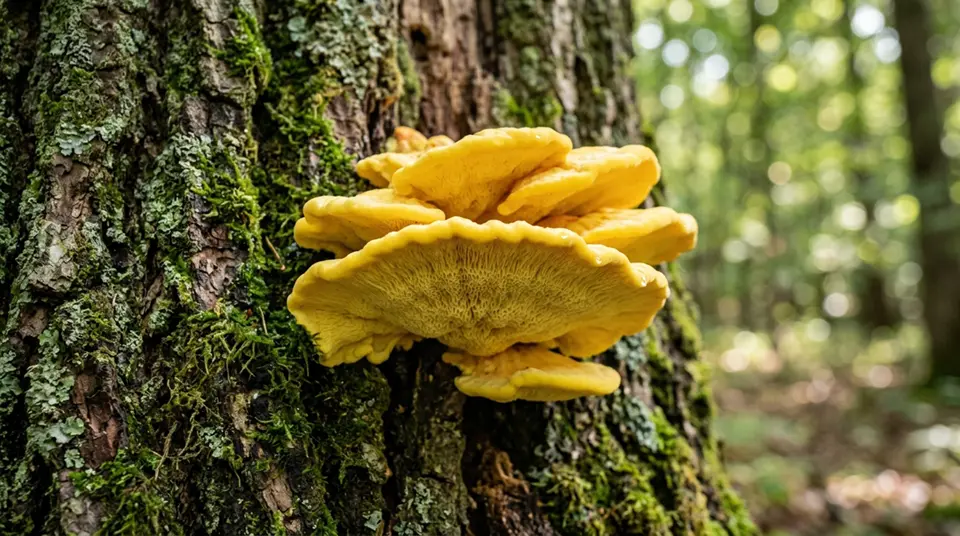
Fungi reproduce by releasing microscopic spores into the air. These spores are naturally present in most environments and are generally harmless in low concentrations. However, under certain conditions—such as high humidity, decaying organic matter, and warm temperatures—fungal growth accelerates, leading to increased spore release.
Meteorological factors can further amplify this effect. Strong winds, storms, or sudden environmental disturbances can disperse large quantities of spores into the atmosphere. While this may resemble the idea of a “storm,” scientists emphasize that it is not a distinct meteorological event but rather an environmental concentration of biological particles.

Environmental Conditions in North Carolina
North Carolina’s climate—characterized by humidity, dense vegetation, and seasonal rainfall—creates favorable conditions for fungal proliferation. Regions such as the Appalachian Mountains are particularly rich in organic material, providing an ideal substrate for fungi to grow and reproduce.
Experts note that after periods of heavy rain followed by warm temperatures, fungal activity can spike. When combined with wind events, this can lead to noticeable increases in airborne spores, sometimes triggering allergic reactions or respiratory symptoms in sensitive individuals.
Health Implications and Public Perception
Although the term “fungal storm” may sound alarming, health experts urge caution against overstating the risk. Most people are exposed to fungal spores daily without adverse effects. However, certain populations—including individuals with asthma, allergies, or compromised immune systems—may experience symptoms when spore concentrations rise.
Common fungi associated with airborne exposure include species from genera such as Aspergillus, Cladosporium, and Penicillium. These organisms can contribute to allergic responses or, in rare cases, infections.
Public concern has been amplified by the dramatic framing of the term “fungal storm,” which may lead to misconceptions. Scientists stress that while elevated spore levels are real and measurable, they do not constitute a new or unprecedented environmental hazard.

Scientific Perspective: Terminology vs Reality
From a scientific standpoint, the phenomenon aligns more closely with established concepts in aerobiology—the study of airborne biological particles. Monitoring stations routinely measure spore concentrations as part of air quality assessments, similar to pollen counts.
Researchers emphasize that precise terminology is essential. Labeling these events as “storms” may obscure the underlying science and create unnecessary concern. Instead, terms like “spore surge” or “elevated fungal concentrations” more accurately describe the observed conditions.
A Balanced View
The discussion surrounding fungal storms highlights a broader issue: how emerging or loosely defined terms can shape public perception of environmental risks. While North Carolina and similar regions do experience conditions that lead to increased airborne fungal spores, these events are part of natural ecological cycles rather than novel threats.
At its core, the phenomenon reflects the dynamic relationship between climate, ecosystems, and microscopic life. Understanding this relationship—rather than sensationalizing it—offers a clearer path toward informed public awareness and appropriate health precautions.

References
According to CITIZEN TIMES