According to EARTH.COM
Rethinking Food Waste in a Resource-Constrained World
As global populations grow and food demand increases, the challenge of sustainable nutrition has become more urgent. A recent report by Earth.com highlights a developing approach that could reshape how society views discarded food: transforming food waste into viable protein sources. What has traditionally been seen as refuse may, under scientific scrutiny, become part of the solution to global food security.
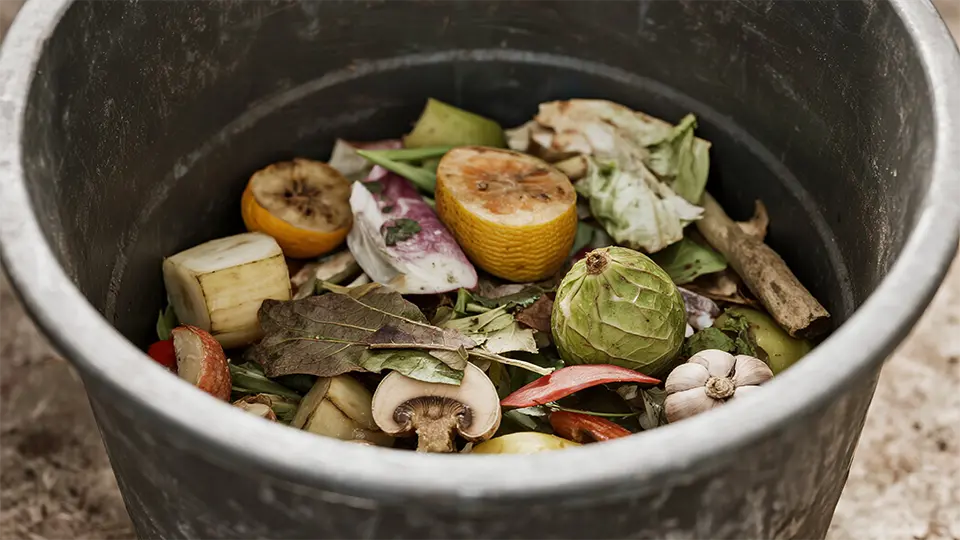
Each year, vast quantities of food are wasted across the supply chain, from production and processing to retail and household consumption. This waste not only represents a loss of resources but also contributes to environmental pressures, including greenhouse gas emissions. Researchers are now examining how these discarded materials can be repurposed efficiently, reducing waste while generating nutritional value.

The Science Behind Converting Waste into Protein
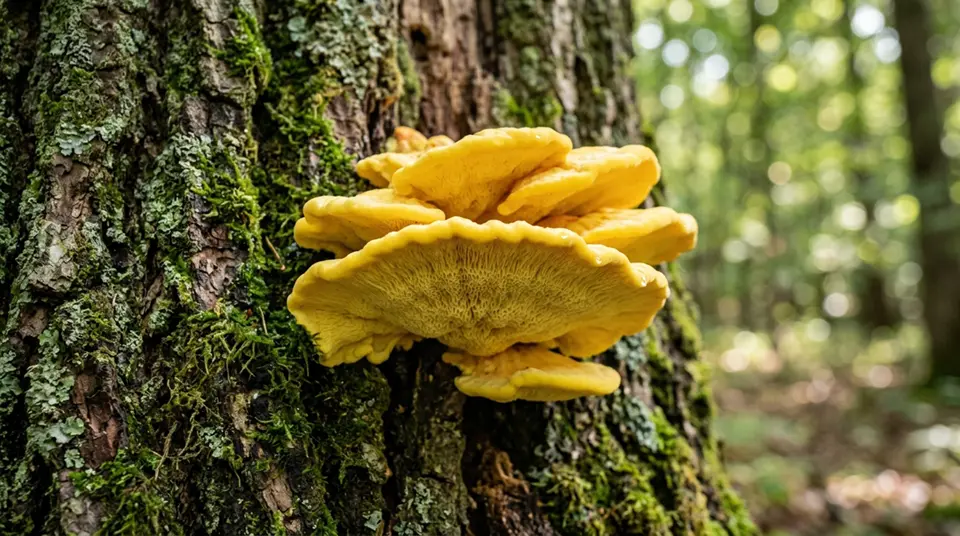
Central to this innovation is the use of microorganisms—particularly fungi—to convert organic waste into edible protein. Through controlled fermentation processes, fungi can break down complex organic matter and transform it into biomass rich in protein and other nutrients.
This process, often referred to as microbial or fungal fermentation, allows scientists to utilize agricultural byproducts, food scraps, and other organic residues as feedstock. Instead of decomposing and releasing carbon emissions, these materials become inputs for protein production. The approach mirrors natural ecological cycles but applies them in a controlled, scalable environment.
Fungi as Efficient Biological Converters
Fungi are especially suited for this role due to their metabolic efficiency and adaptability. Certain species can thrive on a wide range of substrates, converting low-value organic material into high-value nutritional compounds. In this context, fungi act as biological “recyclers,” turning waste into a usable resource.
Species such as Aspergillus oryzae and Fusarium venenatum have already been studied for their role in food production. Fusarium venenatum, for instance, is used in the production of mycoprotein, a meat alternative that has gained attention for its high protein content and relatively low environmental footprint.

Environmental and Sustainability Implications
The environmental implications of this approach are significant. By redirecting food waste into productive use, the process reduces landfill accumulation and associated methane emissions. It also decreases reliance on traditional livestock farming, which is resource-intensive and contributes substantially to global emissions.
Compared to conventional protein sources such as beef or poultry, fungal protein production requires less land and water. Additionally, it can be implemented in controlled facilities, allowing for production in urban or resource-limited areas where traditional agriculture may not be feasible.
This aligns with broader sustainability goals, including circular economy principles, where waste is minimized and materials are continuously reused.

Challenges in Scaling and Public Acceptance
Despite its promise, the transition from concept to widespread adoption presents challenges. Scaling production systems to meet global demand requires investment, infrastructure, and technological refinement. Ensuring consistent quality and safety is also critical, particularly when dealing with variable waste inputs.
Public perception represents another key factor. While mycoprotein products already exist in the market, the idea of consuming food derived from waste may encounter resistance. Clear communication, transparency in production methods, and regulatory oversight will be essential in building consumer trust.

Regulatory and Safety Considerations
Food safety remains a central concern in the development of waste-derived protein. Researchers must ensure that harmful contaminants, pathogens, or toxins are eliminated during processing. Regulatory frameworks will need to evolve to address these emerging technologies, balancing innovation with public health protection.
Standardization of production methods and rigorous testing protocols will play a crucial role in ensuring that these products meet established food safety standards.
A Shift in Perspective on Waste
What emerges from this research is not merely a technological innovation but a conceptual shift. Food waste, long viewed as an unavoidable byproduct of modern consumption, is being reconsidered as a valuable resource. This reframing challenges conventional assumptions and opens new pathways for sustainable development.
The idea that yesterday’s waste could become tomorrow’s nutrition reflects a broader transformation in how society approaches resource management. It suggests a future where efficiency and sustainability are not separate goals but interconnected elements of the same system.
Looking Ahead
As research continues, the potential for converting food waste into protein offers a glimpse into a more sustainable food future. While technical, economic, and cultural hurdles remain, the underlying concept demonstrates how scientific innovation can address multiple global challenges simultaneously.
In a world where resources are finite and demand continues to grow, such approaches may become not only viable but necessary. The quiet transformation of waste into nourishment may ultimately redefine the boundaries of what food can be.
References
According to EARTH.COM