According to USA TODAY
A Shift From Environmental Remediation to Individual Recovery
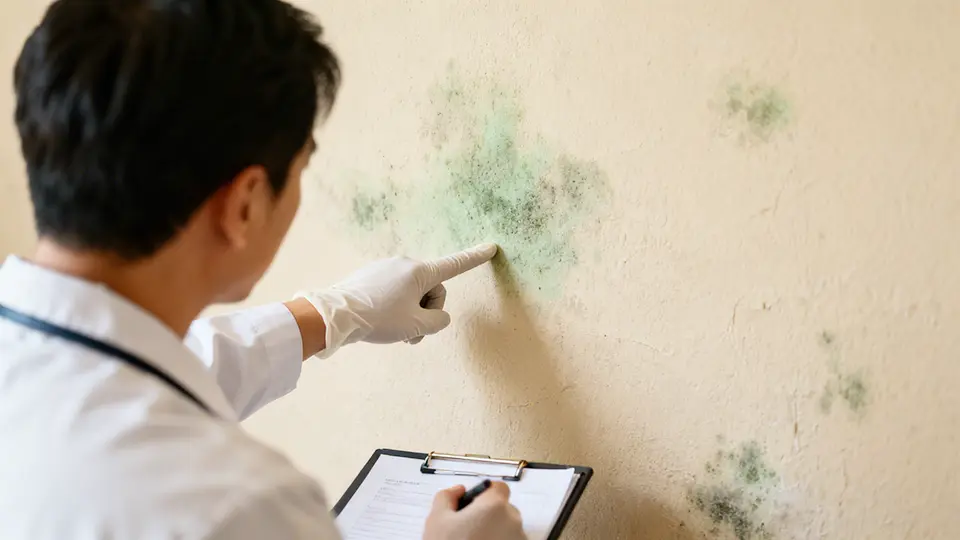
A South Florida–based company specializing in mold inspection and remediation has announced the launch of a new program designed to address health concerns following mold exposure. The initiative, named “Dr. Detox Mold,” represents an expansion beyond traditional property-focused services into the area of individualized, medically supervised recovery (CDC Mold Basics).
The program is introduced as a response to recurring feedback from clients who reported lingering discomfort even after mold contamination had been removed from their homes or workplaces. While remediation services focus on eliminating environmental sources, the new approach aims to address potential health-related concerns that persist beyond the physical cleanup process.

Bridging the Gap Between Environment and Health
FixMold, which operates across Miami-Dade County, Broward County, and Palm Beach County, has historically focused on mold testing, removal, and indoor air quality restoration (EPA Indoor Air Quality). The introduction of Dr. Detox Mold reflects a broader trend in environmental health, where attention is increasingly shifting toward the potential long-term effects of exposure.
The program is positioned as a complementary service rather than a replacement for environmental remediation. According to the report, property-level interventions remain the primary method for addressing mold contamination. The new program instead focuses on individuals seeking additional evaluation and guidance after exposure has been addressed at the environmental level.
Structure of the Dr. Detox Mold Program
The program follows a structured, multi-phase approach designed to assess and support individuals on a case-by-case basis. The initial stage involves evaluating a person’s exposure history and reported symptoms. This is followed by a stabilization phase intended to prepare individuals before any further intervention.
Subsequent steps involve physician-monitored recovery protocols tailored to individual conditions. The program does not apply standardized treatments, instead emphasizing individualized care plans based on medical evaluation.
Potential interventions mentioned in the report include diagnostic testing and supervised therapies such as intravenous (IV) treatments and protocol-based approaches involving compounds like peptides and enzymes. All procedures are conducted or overseen by licensed healthcare professionals.
Medical Oversight and Clinical Involvement
A distinguishing feature of the program is its integration of licensed medical oversight. Clinical leadership is provided by a board-certified physician responsible for reviewing protocols and supervising patient care. Additional support is provided by medical staff trained in specialized procedures such as IV therapy.
The report emphasizes that mold exposure can affect individuals differently, requiring a personalized approach to evaluation and recovery. The program’s design reflects this variability by allowing treatment pathways to be adjusted based on individual presentation.
Context: Mold Exposure in High-Humidity Regions
The program’s introduction is closely tied to regional environmental conditions. South Florida’s climate, characterized by high humidity and frequent moisture exposure, creates favorable conditions for mold growth in residential and commercial properties (NOAA Climate Data).
Indoor environments affected by water damage, poor ventilation, or structural issues may harbor mold and associated byproducts. These can include airborne particulates, microbial fragments, and, in some cases, compounds referred to as mycotoxins.
Addressing these environmental factors typically involves inspection, testing, and remediation processes aimed at removing contamination and restoring indoor air quality.

Understanding Mold and Its Potential Effects
Mold is a naturally occurring component of the environment, and its spores are present in both indoor and outdoor air. For most individuals, exposure results in minimal or no health effects. However, some people may experience symptoms such as nasal congestion, coughing, eye irritation, or respiratory discomfort (WHO Air Quality).
In certain cases, individuals report more persistent or complex symptoms following prolonged exposure. The relationship between mold exposure and long-term health effects remains an area of ongoing scientific research, with varying interpretations across medical and environmental health fields.
The program described in the report is positioned within this context, offering a structured approach for individuals seeking further evaluation.
Distinguishing Environmental and Medical Interventions
The report makes a clear distinction between environmental remediation and medical support. Mold removal and air quality restoration are identified as essential first steps in addressing contamination within a property.
The Dr. Detox Mold program is presented as an optional follow-up resource for individuals who wish to explore additional health-related support. This separation reflects the understanding that environmental and medical aspects of mold exposure require different approaches.
By maintaining this distinction, the program aligns with established practices that prioritize eliminating exposure sources before addressing potential health effects.
Industry Response and Client Demand
The development of the program is described as a response to client inquiries about post-remediation steps. According to the report, individuals frequently seek guidance on what actions to take after their living or working environment has been treated.
This demand reflects a broader shift in public awareness of indoor environmental quality and its potential impact on health. As more individuals become informed about mold and air quality, interest in comprehensive solutions continues to grow.
Programs like Dr. Detox Mold represent one approach within this evolving landscape.
Common Indoor Mold Species
Indoor environments affected by moisture often contain a range of fungal species. These commonly include Aspergillus fumigatus, Penicillium chrysogenum, and Cladosporium cladosporioides, which are frequently detected in residential and commercial settings.
In more severe cases involving prolonged water damage, Stachybotrys chartarum may be present. These fungi release spores into the air, contributing to exposure levels within indoor environments.
Understanding these species provides context for the environmental conditions addressed by both remediation services and follow-up programs.

Scientific Considerations and Limitations
While the program introduces a structured model for post-exposure support, the report does not provide detailed clinical evidence regarding its effectiveness. As with many emerging approaches in environmental health, outcomes may vary depending on individual factors (NIH Environmental Health).
Medical experts generally emphasize the importance of evidence-based diagnosis and treatment, particularly when addressing symptoms that may have multiple potential causes.
The program’s individualized approach reflects an attempt to account for this variability, though further research would be required to establish standardized outcomes.
A Growing Intersection of Environment and Health
The introduction of Dr. Detox Mold illustrates the increasing intersection between environmental services and healthcare. As awareness of indoor air quality and environmental exposure grows, new models are emerging that integrate multiple disciplines.
This trend reflects a broader effort to address health concerns holistically, considering both environmental conditions and individual responses.
A Developing Area of Environmental Health Practice
The report positions the program as part of a developing field focused on post-exposure recovery. While environmental remediation remains the primary method for addressing mold contamination, additional services are being explored to support individuals beyond the immediate cleanup process.
As research continues and public interest expands, similar programs may evolve, contributing to ongoing discussions about best practices in environmental health management.
References
WHO. Air Pollution and Health.
According to USA TODAY