According to UC RIVERSIDE
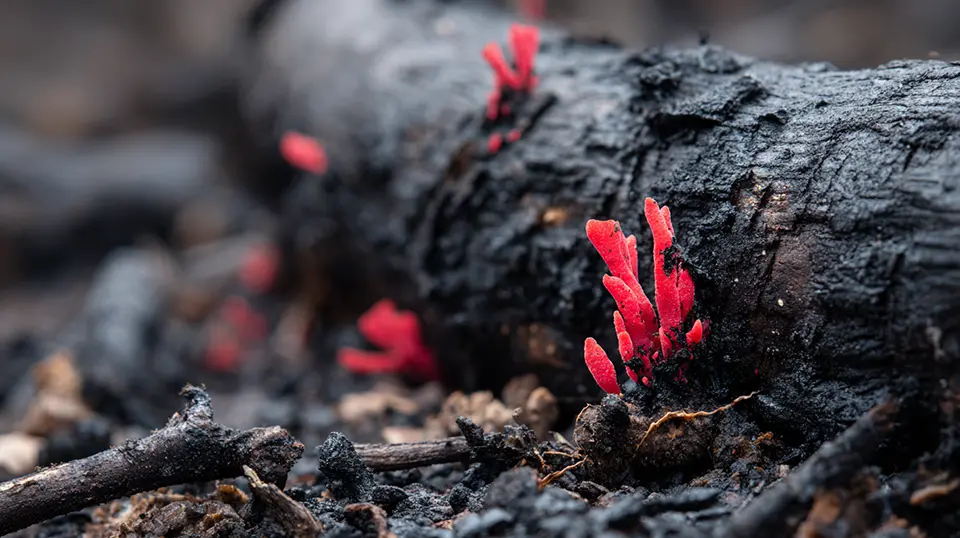
New research has shed light on an unusual group of fungi that thrive in the aftermath of wildfires by feeding on charcoal. Scientists have uncovered how these so-called fire-loving fungi evolved the ability to break down one of the most chemically resistant materials produced by fire, offering new insight into ecosystem recovery, carbon cycling, and the long-term ecological role of fungi in fire-prone landscapes.
The findings focus on fungi that rapidly colonize burned environments, appearing soon after fires have stripped vegetation and left behind layers of charred organic matter. Rather than being hindered by fire, these organisms appear to depend on it, exploiting charcoal as a food source when other competitors are temporarily eliminated.

Source: Wikimedia Commons, CC BY-SA 3.0
Charcoal: A Difficult Food Source
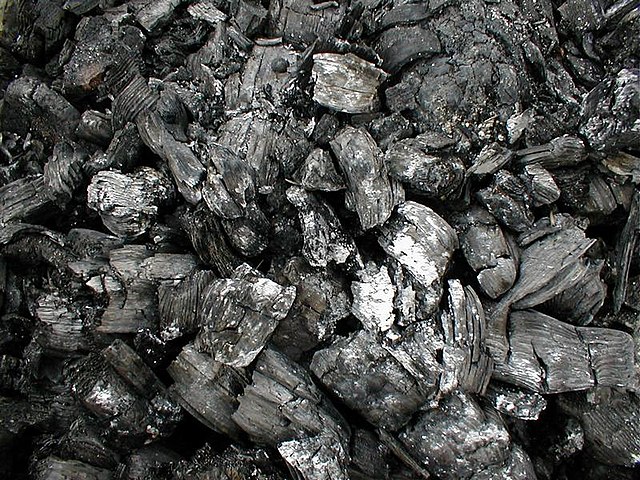
Charcoal is formed when organic material is exposed to intense heat in low-oxygen conditions, a process known as pyrolysis. The resulting substance is rich in carbon but chemically stable, resistant to decay, and notoriously difficult for most organisms to digest. For decades, scientists assumed that charcoal persisted in soils largely unchanged for centuries, acting as a long-term carbon sink.
The new research challenges this assumption by demonstrating that certain fungi have evolved biochemical tools capable of breaking down charcoal and using it as a source of energy. This discovery reframes charcoal not as biologically inert, but as part of a dynamic post-fire nutrient cycle.
Source: Wikimedia Commons, CC BY-SA 3.0
Fire as an Evolutionary Force
Wildfires have shaped terrestrial ecosystems for hundreds of millions of years. In fire-adapted environments, many plants rely on fire to trigger seed release or reduce competition. The study suggests that fungi, too, have been shaped by fire as a selective pressure.
By analyzing genetic and metabolic traits, researchers found evidence that fire-loving fungi possess specialized enzymes that allow them to access carbon locked within charred material. These adaptations likely evolved gradually, as repeated exposure to fire created ecological niches that favored organisms able to exploit post-fire substrates.
Rather than being opportunistic scavengers, these fungi appear to be specialists, with life cycles closely linked to fire events.

Source: Wikimedia Commons, CC BY-SA 3.0
How Fungi “Eat” Charcoal
The study explains that charcoal, while chemically complex, still contains carbon structures that can be metabolized if an organism has the right enzymatic machinery. Fire-adapted fungi produce enzymes capable of oxidizing and modifying these structures, effectively unlocking energy that would otherwise remain inaccessible.
This process is slow compared to the decomposition of fresh plant material, but in burned landscapes where few resources are available, charcoal represents a vast and relatively untapped reserve. By colonizing charred soils, fungi gain a competitive advantage during the early stages of ecosystem recovery.
Implications for Carbon Cycling
One of the most significant implications of the research lies in its impact on understanding the global carbon cycle. Charcoal has long been considered a stable form of carbon that remains sequestered in soils for extended periods.
If fungi are actively breaking it down, even slowly, then charcoal may be more biologically active than previously believed. This does not mean charcoal ceases to function as a carbon sink, but it does suggest that its persistence is influenced by biological processes as well as chemical stability.
Over long timescales, fungal activity may contribute to the gradual return of charcoal-derived carbon to the atmosphere as carbon dioxide. Understanding this process is particularly important as wildfire frequency and intensity increase in many regions due to climate change.
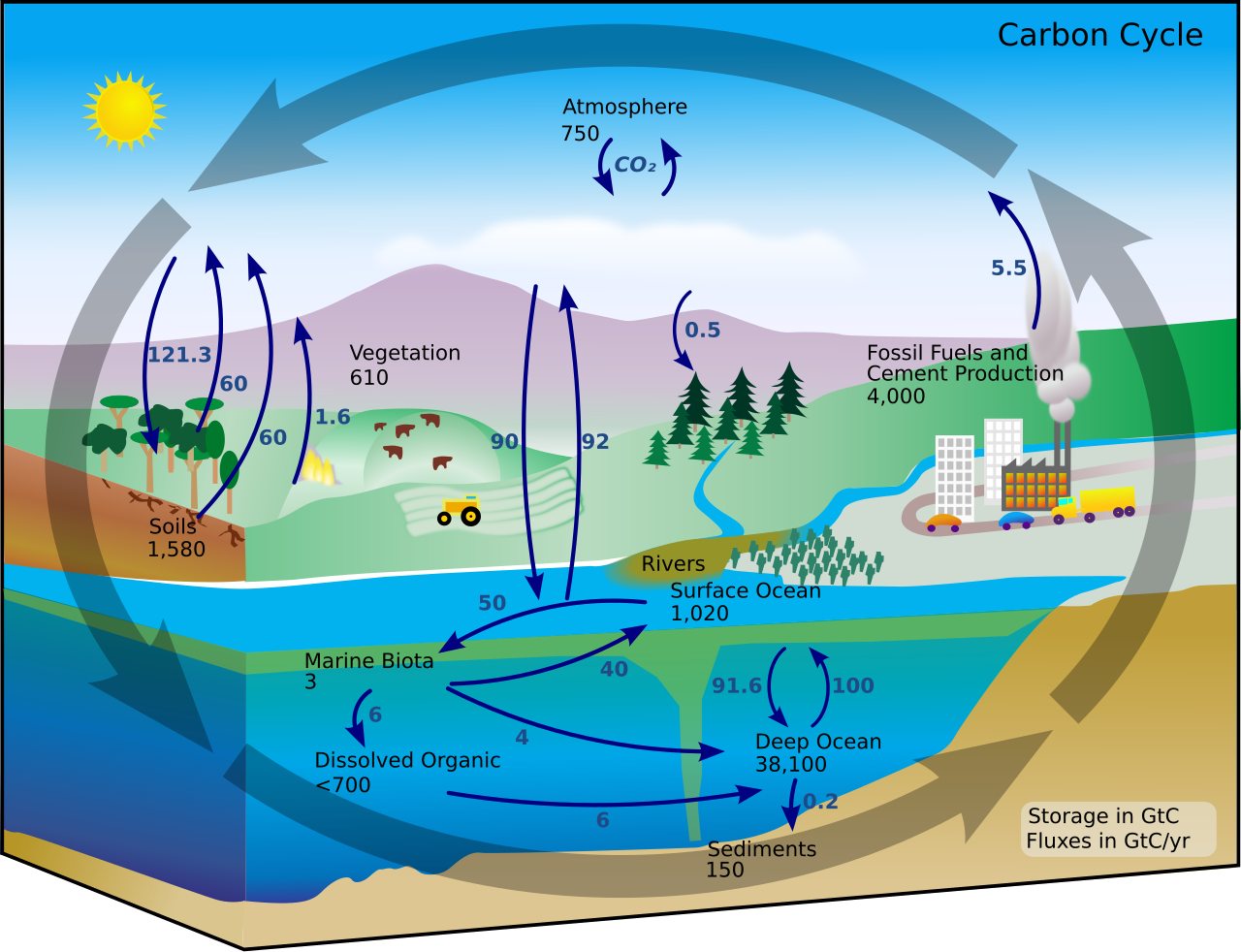
Source: Wikimedia Commons, CC BY-SA 3.0
Post-Fire Ecosystem Recovery
Fire-loving fungi play a broader ecological role beyond carbon metabolism. By colonizing burned soils, they help initiate biological activity in landscapes that might otherwise remain barren for extended periods.
Their growth can stabilize soils, influence nutrient availability, and pave the way for plants and other microorganisms to return. The study highlights fungi as early responders in post-fire succession, forming the foundation of recovering ecosystems.

Source: Wikimedia Commons, CC BY-SA 3.0
Genetic Clues to Ancient Adaptations
Researchers used genomic analysis to trace how these fungi acquired their charcoal-degrading capabilities. The results suggest that the relevant genes are not recent innovations, but ancient adaptations that likely emerged when wildfires first became common on Earth.
This finding aligns with geological evidence indicating that fire has been present since plants colonized land and oxygen levels rose sufficiently to support combustion.
Why This Matters Now
In a world experiencing more frequent wildfires, understanding how ecosystems respond is increasingly urgent. Fire-loving fungi demonstrate that fire does not simply destroy life; it reshapes biological communities and creates opportunities for specialized organisms.
The research also underscores the importance of fungi in ecological resilience. Often overlooked compared to plants and animals, fungi are shown here to be key agents in post-disturbance recovery and long-term biogeochemical processes.
Broader Scientific Significance
Beyond ecology, the enzymes used by these fungi to degrade charcoal may have applications in biotechnology. Understanding how fungi modify stable carbon structures could inform efforts to process biochar, manage soil carbon, or develop new methods for breaking down resistant organic compounds.
The study thus connects evolutionary biology with applied research, highlighting how insights from nature can inform human challenges.
Conclusion
The discovery that certain fungi have evolved to eat charcoal reshapes understanding of fire, fungi, and the carbon cycle. Fire-loving fungi are not merely survivors of extreme conditions, but active participants in rebuilding ecosystems and transforming materials once thought biologically inert.
As wildfires continue to influence landscapes worldwide, these fungi offer a reminder that life adapts in unexpected ways. Their hidden work beneath burned soils reveals a deeper story of resilience, evolution, and the complex pathways through which carbon moves through the living world.
References
Santín, C. et al., 2016, Global Change Biology, Wildfire-derived charcoal persistence
According to UC RIVERSIDE