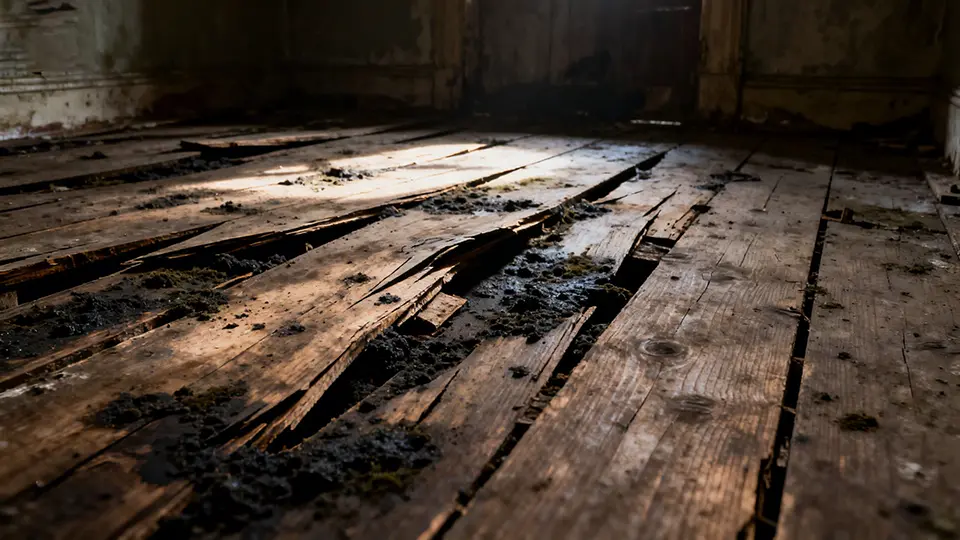
According to CLICKON DETROIT
A Household Health Crisis Draws Public Attention
A family in Auburn Hills, Michigan, has reported repeated hospital visits linked to prolonged exposure to black mold inside their home. According to the report, the children in the household were taken to the hospital nearly 100 times, raising serious concerns about indoor environmental safety and the potential health consequences of sustained mold exposure.
The case has drawn public attention not only because of the frequency of medical visits but also due to broader questions about housing conditions, responsibility, and the challenges families face when dealing with indoor contamination.
Reported Health Effects on Children
The family states that the children experienced ongoing health issues that required repeated medical attention. While specific diagnoses are not fully detailed, symptoms associated with mold exposure often include respiratory distress, coughing, wheezing, and other complications affecting the lungs (WHO Air Quality and Health).
Children are considered particularly vulnerable to environmental hazards due to their developing immune and respiratory systems (CDC Children’s Environmental Health). In environments where mold is present, prolonged exposure may increase the likelihood of symptoms, especially for individuals with underlying sensitivities or pre-existing conditions.
The report presents the situation as an example of how indoor environmental factors can become a persistent health concern.
Understanding Black Mold and Its Risks
The term “black mold” commonly refers to Stachybotrys chartarum, a species associated with water-damaged indoor environments. This fungus thrives in areas with prolonged moisture, such as damp walls, ceilings, or flooring materials.
Black mold is known for producing mycotoxins under certain conditions. These compounds have been linked to a range of health concerns, although the extent and severity of their effects can vary depending on exposure levels and individual susceptibility.
It is important to note that not all mold is toxic, and the presence of black mold does not automatically result in severe health outcomes. However, in environments with significant growth and prolonged exposure, risks may increase.

How Mold Develops in Residential Settings
Mold growth in homes is typically linked to moisture issues. Leaks, flooding, condensation, or poor ventilation can create conditions that allow fungi to grow on building materials (EPA Mold Guide).
Once established, mold can spread across surfaces and release spores into the air. These spores may be inhaled, contributing to potential respiratory symptoms.
In many cases, the source of moisture must be addressed to prevent recurrence. Without resolving underlying environmental conditions, mold may continue to develop even after cleaning.
Challenges in Addressing Indoor Mold
The case described in the report highlights the difficulties families may face when dealing with mold contamination. Identifying the extent of growth, determining the source of moisture, and carrying out remediation can be complex and costly.
In some situations, occupants may remain in affected environments due to financial or logistical constraints, increasing the duration of exposure.
The report underscores the importance of timely intervention and access to resources for addressing indoor environmental hazards.
Medical and Environmental Perspectives
Health professionals generally approach mold exposure by considering both environmental and medical factors. Environmental remediation—removing mold and addressing moisture—is the primary method for reducing exposure (CDC Mold Remediation).
Medical evaluation focuses on managing symptoms and identifying any underlying conditions that may be affected by environmental factors. The relationship between mold exposure and long-term health outcomes remains an area of ongoing research, with varying conclusions depending on study design and context.
The report reflects this complexity by presenting the family’s experience alongside broader considerations of mold-related health risks.
Public Health and Housing Concerns
The incident raises questions about housing quality and the responsibility for maintaining safe living conditions. Mold is often associated with structural issues such as water damage, inadequate ventilation, or maintenance deficiencies.
Public health officials emphasize the importance of ensuring that residential environments meet safety standards, particularly when children are involved (WHO Housing and Health Guidelines).
The case contributes to ongoing discussions about tenant rights, landlord responsibilities, and the role of regulatory oversight in preventing environmental health hazards.
Common Indoor Mold Species
In addition to Stachybotrys chartarum, several other fungal species are commonly found in indoor environments. These include Aspergillus fumigatus, Penicillium chrysogenum, and Cladosporium cladosporioides.
These fungi can grow in damp conditions and release spores into the air. While not all species produce toxins, they can still contribute to allergic reactions and respiratory symptoms.
Understanding the diversity of indoor mold helps contextualize the broader issue of environmental exposure.

Prevention and Mitigation Strategies
Experts emphasize that preventing mold growth is more effective than addressing it after it becomes established. Key strategies include controlling indoor humidity, repairing leaks promptly, and ensuring adequate ventilation (EPA Indoor Air Quality).
Regular inspection of moisture-prone areas, such as bathrooms, basements, and kitchens, can help identify problems early. When mold is detected, appropriate remediation measures should be taken to remove contaminated materials and address underlying causes.
These steps are essential for maintaining safe indoor environments.
A Case That Reflects Broader Environmental Risks
While the report focuses on a specific family, it reflects a broader issue affecting many households. Mold is a common environmental factor that can become a significant concern under certain conditions.
The case illustrates how prolonged exposure, combined with environmental and structural factors, may lead to ongoing challenges for residents.
The Need for Awareness and Action
The situation highlights the importance of awareness, early intervention, and access to resources for addressing mold-related issues. Public education, housing standards, and support systems all play a role in preventing similar cases.
As environmental health continues to gain attention, cases like this serve as reminders of the impact indoor conditions can have on well-being.
References
CDC. Children’s Environmental Health.
According to CLICKON DETROIT