According to YNET GLOBAL
Daily routines often include reaching for a towel after a shower or workout without a second thought. Yet recent reporting by health experts reveals that towels can quickly become contaminated with a wide range of microorganisms—including bacteria, fungi, viruses, and even parasites—especially when they remain damp or are shared among family members. The issue highlights an overlooked aspect of household hygiene with implications for infection risk and skin health.
A typical bathroom towel, by virtue of its role in drying the body, encounters heat, moisture, and residue from human skin—conditions that provide an ideal breeding ground for microbes. When towels are not washed regularly or allowed to dry completely between uses, millions of organisms can accumulate, increasing the likelihood of skin irritation or infection.
How Towels Become Microbial Hotspots
Towels come into contact with the entire body after exposure to sweat, dead skin cells, and environmental dust. Moisture trapped in the towel fibers after use creates an environment conducive to microbial growth. Under these conditions, both common bacteria and fungi can multiply rapidly.
A dermatologist cited in the reporting explained that heat and moisture are primary drivers in increasing microbial load on towels. Bacteria such as Staphylococcus aureus—common on human skin—can flourish when towels remain damp, potentially causing skin infections when they contact broken skin or hair follicles. Fungi and yeasts, including species in the genus Candida, are also frequently found on moist textiles and can lead to fungal skin infections or dermatophytosis if hygiene is poor.
Types of Microorganisms Found on Towels
Microbial contamination on towels is diverse and can include:
- Bacteria: Common skin residents such as Staphylococcus aureus, which can cause folliculitis and other skin infections, as well as a range of environmental bacteria.
- Fungi and Yeasts: Species such as Candida spp. thrive in warm and moist conditions and can cause fungal infections of the body or feet when transmitted via towels.
- Viruses: Though less common, viral particles can adhere to towel fibers, particularly if used during an active infection.
- Parasites: Organisms such as those causing scabies can persist on towels and facilitate transmission between individuals.
These microorganisms can survive in towel fibers for hours to days, depending on environmental conditions and the type of organism involved.
Risks Associated With Contaminated Towels
The presence of bacteria, fungi, and viruses on towels is not merely an abstract hygiene concern. Direct contact with contaminated textiles can facilitate the spread of infection. Some of the documented health issues linked to poorly maintained towels include:
- Skin infections: Irritation, rashes, folliculitis, and fungal infections caused by Candida and other fungi.
- Spread of viral pathogens: While less common, viruses responsible for conditions such as molluscum contagiosum can be transmitted through shared towels.
- Parasitic transmission: Skin infestations like scabies can spread through direct contact with towels used by infected individuals.
These risks are particularly pronounced when towels are reused without adequate drying or proper washing between uses.

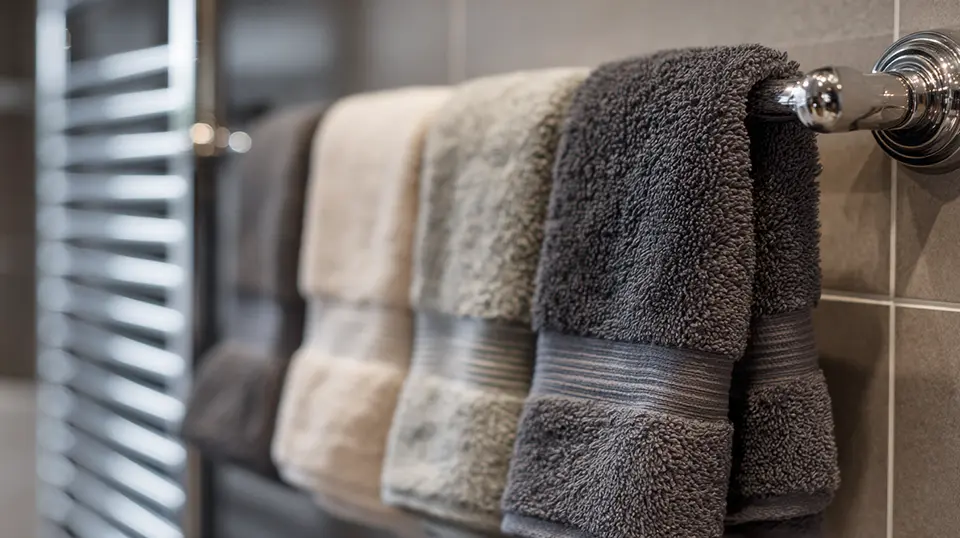
Source: Wikimedia Commons – Shared towels in bathroom, CC BY-SA 4.0
How Often Should Towels Be Washed?
According to dermatologists, towel hygiene can be improved with relatively simple behavioral changes. Experts recommend that:
- Towels used after showers should be changed and washed every two to three days.
- Workout or gym towels should ideally be laundered after each use.
- Towels shared by multiple people should be avoided or washed frequently to prevent microbial transmission.
- Towels should be hung in ways that promote rapid drying between uses.
Proper drying significantly reduces the opportunity for microbes to proliferate compared with towels left balled up or hanging in poorly ventilated, humid bathrooms.
Best Practices for Reducing Microbial Load
To minimize the buildup of bacteria and fungi on towels, experts suggest the following hygiene practices:
- Frequent Washing: Wash towels regularly with hot water and detergent.
- Full Drying: After each use, hang towels in well-ventilated areas to ensure thorough drying.
- Dedicated Use: Assign personal towels rather than sharing among family members.
- Prompt Laundering After Illness: If someone has a skin infection or contagious condition, towels should be washed immediately and separately.
- Avoid Reuse of Gym Towels: Towels used during workouts can accumulate sweat and microbes rapidly.
Even small adjustments in towel handling and laundering frequency can markedly reduce microbial burden and infection risk.

Source: Wikimedia Commons – Washing towels in laundry, CC BY-SA 3.0
Fungi and Yeasts in Towels: What to Know
Fungi on towels are typically opportunistic organisms that take advantage of moisture and organic residue. Species in the genus Candida, a type of yeast commonly found on human skin, can colonize damp textiles.
Unlike molds such as Aspergillus or Cladosporium, which are more associated with environmental surfaces, Candida spp. are skin-associated yeasts that opportunistically proliferate on fabrics. Their presence on towels underscores the importance of ensuring that textiles do not remain damp long enough for fungal growth to gain footholds.
When to Seek Medical Advice
Most microbial contamination of towels will not lead to serious illness in healthy individuals. However, certain symptoms warrant medical consultation:
- Persistent or spreading skin rash
- Signs of bacterial skin infection (pus, increasing redness, warmth)
- Fungal infections that do not respond to over-the-counter treatments
- Unusual lesions after sharing towels with someone who is ill
Conclusion
Towels are everyday household items that serve a simple function—drying the body after bathing. Yet the combination of warmth, moisture, and organic residue makes them effective breeding grounds for bacteria, fungi, viruses, and parasites when not washed and dried properly. Through regular laundering, proper drying, and avoiding shared use, households can significantly reduce exposure to these microorganisms and lower the risk of infection.
Increasing public understanding of microbial growth on textiles aligns with broader efforts in public health to prevent common infections and promote healthier living environments.
References
WHO – Household Hygiene and Health
Fijan S. et al., 2020, Microorganisms, Microbial contamination of textiles
According to YNET GLOBAL