According to AOL
Bathroom mold is one of the most common household hygiene concerns, and experts are advising homeowners to remove it carefully while addressing the moisture conditions that allow it to grow. According to cleaning specialists, mold commonly develops around toilets because these areas are regularly exposed to high humidity, condensation, water splashes, and limited airflow. While small areas of surface mold can often be cleaned safely using appropriate protective measures, persistent or recurring growth may indicate hidden moisture problems that require further investigation. Experts emphasize that effective mold management involves both safe removal and long-term moisture control rather than simply cleaning visible stains.

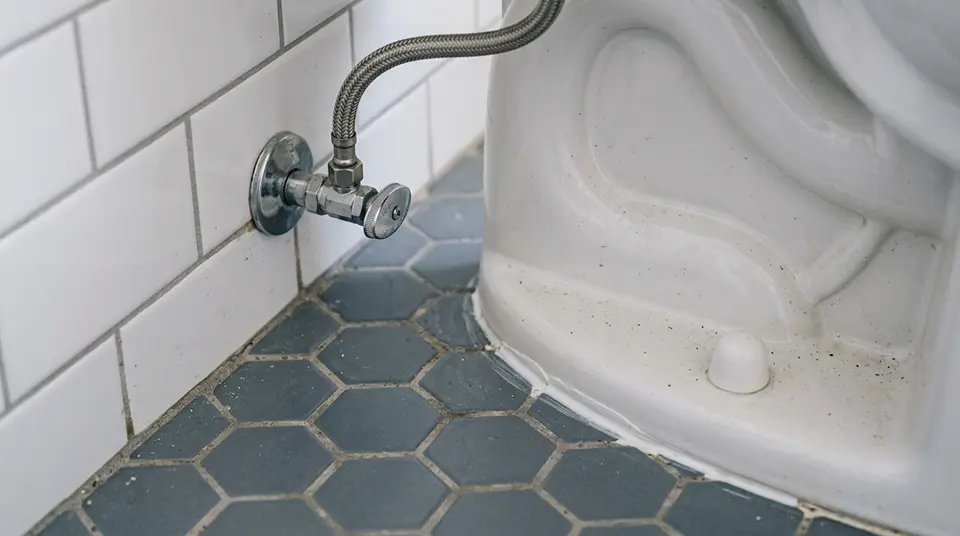
Mold around the base of toilets, behind toilet tanks, beneath caulking, and along grout lines typically develops when moisture remains trapped on porous surfaces for extended periods. Bathrooms often experience repeated cycles of warm temperatures and elevated humidity, creating favorable conditions for fungal spores naturally present in indoor air to colonize damp materials. Poor ventilation, leaking toilet seals, plumbing leaks, damaged caulking, and condensation on cold surfaces can all contribute to mold development. Specialists note that visible discoloration may represent only a portion of the fungal colony, as mold can also spread beneath sealants, flooring, drywall, or other hidden building materials if moisture problems persist — the EPA notes that mold can begin growing on damp materials within 24 to 48 hours under favorable conditions.
Experts recommend wearing disposable gloves, protective eyewear, and a properly fitted face mask when cleaning mold to reduce exposure to airborne spores. The EPA’s mold remediation guidance specifies that minimum personal protective equipment — gloves, goggles, and an N-95 respirator — is generally sufficient for cleaning small areas of mold covering less than about 10 square feet, while larger or more heavily contaminated areas may call for additional protection or professional remediation. Non-porous surfaces may be cleaned using appropriate household cleaning products specifically designed for mold removal, while damaged caulking or heavily contaminated porous materials may require replacement rather than repeated cleaning.

During the cleaning process, adequate ventilation should be maintained to reduce moisture accumulation and improve indoor air circulation. Specialists also advise avoiding practices that may spread spores unnecessarily, such as aggressive dry brushing, while ensuring that cleaned surfaces are thoroughly dried after treatment. If mold covers a large area or repeatedly returns after cleaning, professional assessment may be necessary to identify concealed water intrusion or structural moisture problems; the EPA specifically recommends that areas exceeding roughly 10 square feet be handled according to its more detailed remediation guidance or by an experienced contractor.
Beyond cleaning, preventing future mold growth depends primarily on controlling moisture inside the bathroom. Experts recommend repairing plumbing leaks promptly, maintaining exhaust fans during and after showers, improving natural ventilation whenever possible, regularly inspecting toilet seals and caulking, and keeping indoor humidity within recommended levels. Frequent cleaning, prompt drying of wet surfaces, and routine maintenance can significantly reduce conditions favorable to fungal growth.
While most small household mold problems can be managed safely, persistent mold should not be ignored because it may indicate ongoing moisture damage that affects both building materials and indoor air quality. Long-term prevention therefore relies on addressing the underlying source of moisture rather than repeatedly removing visible mold alone.
References
U.S. EPA. A Brief Guide to Mold, Moisture and Your Home.
OSHA. SHIB 03-10-10: A Brief Guide to Mold in the Workplace.
According to AOL