According to BROWNFIELD
Agricultural researchers and crop protection specialists are increasingly focusing on biological solutions to manage plant diseases that threaten global food production. A recently highlighted biological treatment registered by the U.S. Environmental Protection Agency (EPA) is drawing attention for its potential to provide season-long protection against two of the most damaging soybean diseases: white mold and sudden death syndrome (SDS). The development reflects a broader shift in agriculture toward biological crop protection technologies that aim to improve plant health while reducing reliance on traditional chemical fungicides.
Soybeans are one of the world’s most important agricultural commodities, used widely in food products, livestock feed, and industrial applications. However, soybean crops are vulnerable to a variety of fungal pathogens that can significantly reduce yield and quality. Among the most problematic diseases affecting soybean fields in North America and other production regions are white mold and sudden death syndrome, both of which are caused by soilborne pathogens that can persist in agricultural soils for long periods.
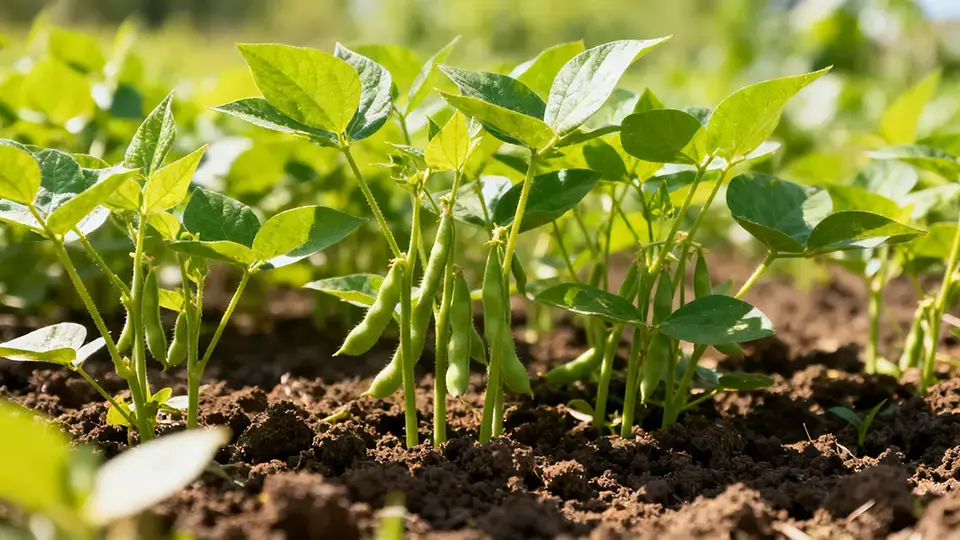
The newly registered biological product is designed to be applied during planting, allowing beneficial microorganisms to establish themselves around developing soybean roots. By colonizing the root zone early in the growing season, these biological agents can help protect plants from disease-causing pathogens throughout the entire crop cycle.
Major Soybean Diseases: White Mold and Sudden Death Syndrome
White mold, also known as Sclerotinia stem rot, is a widespread fungal disease that affects soybeans and numerous other crops. The disease is caused by the fungal pathogen Sclerotinia sclerotiorum that thrives under cool, moist conditions. Once established in a field, the fungus can survive for several years in soil through durable survival structures known as sclerotia.
Infected soybean plants typically develop white, cotton-like fungal growth on stems, which is the origin of the disease’s common name. As the infection progresses, the pathogen disrupts the plant’s vascular system, eventually leading to wilting, stem decay, and yield losses.
Sudden death syndrome (SDS) is another destructive soybean disease caused by the soilborne fungus Fusarium virguliforme. Unlike white mold, SDS symptoms often appear later in the growing season. Leaves may develop yellow or brown discoloration between veins, while roots may exhibit signs of decay. Despite the dramatic appearance of the foliage symptoms, the infection actually begins earlier in the season within the root system.
Both diseases can significantly reduce soybean productivity, especially when environmental conditions favor fungal development.
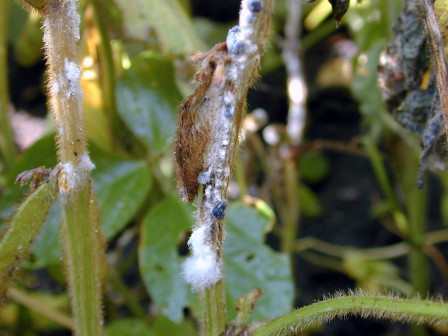
Image: D. Mueller
The Role of Biological Crop Protection
Biological crop protection products use naturally occurring microorganisms or their metabolic compounds to protect plants from pathogens. These products may function through several mechanisms, including competition with harmful fungi, stimulation of plant immune responses, or direct inhibition of disease-causing organisms.
The newly registered product highlighted in the report contains beneficial microbial components that interact with the soybean root environment. When applied during planting, the biological agent becomes established within the rhizosphere—the narrow zone of soil surrounding plant roots where complex microbial interactions occur.
Researchers suggest that by occupying ecological niches within the rhizosphere, beneficial microbes can limit the ability of pathogenic fungi to infect soybean roots. This competitive interaction may reduce disease development while supporting overall plant health.

Season-Long Protection Strategy
One of the key features emphasized by crop specialists is the product’s ability to provide protection throughout the growing season. Because the biological treatment is applied early during planting, the beneficial organisms have time to establish themselves before disease pressure increases later in the season.
White mold infections typically occur during flowering when environmental conditions are favorable for fungal growth. Similarly, the pathogens responsible for sudden death syndrome infect plants early but produce visible symptoms later in the growing cycle.
By targeting the early stages of plant development, biological treatments aim to prevent pathogen establishment rather than responding only after disease symptoms appear.
Integrated Disease Management
Agronomists emphasize that biological treatments are most effective when used as part of an integrated pest management (IPM) strategy. Farmers often combine multiple approaches to reduce the risk of crop losses caused by plant pathogens.
These strategies may include crop rotation, resistant soybean varieties, proper planting density, and careful monitoring of environmental conditions that favor disease development. Biological treatments provide an additional tool that can complement these practices.
In particular, fields with a history of white mold or sudden death syndrome may benefit from preventive measures applied at planting. Early protection helps reduce pathogen populations before they reach levels capable of causing significant damage.
Environmental and Sustainability Considerations
The increasing interest in biological crop protection products reflects broader efforts to promote sustainable agriculture practices. Biological solutions are often viewed as environmentally compatible alternatives to conventional chemical treatments.
Because these products rely on naturally occurring microorganisms, they may reduce the ecological impact associated with repeated chemical fungicide applications. This approach aligns with global efforts to improve soil health and preserve beneficial microbial communities in agricultural ecosystems.
However, researchers emphasize that biological products are not intended to replace all conventional treatments. Instead, they provide additional options within a diversified crop protection strategy.

Economic Implications for Soybean Farmers
Soybean farmers face significant economic risks when fungal diseases reduce crop yields. White mold outbreaks, in particular, can cause substantial losses in fields with dense plant canopies and prolonged periods of humidity.
Sudden death syndrome also represents a major economic challenge, especially in regions where soil conditions favor the pathogen’s persistence.
The availability of biological protection tools may offer farmers new ways to manage disease risks while maintaining productivity. By protecting root systems and reducing pathogen establishment early in the season, these treatments may help stabilize yields under challenging environmental conditions.
Ongoing Research in Biological Disease Control
The development of biological crop protection products is an active area of agricultural research. Scientists continue to explore beneficial microorganisms that can suppress plant pathogens or promote plant growth.
Advances in soil microbiology and microbial genomics are helping researchers identify new organisms that interact beneficially with crop plants. Understanding how microbial communities influence plant health is considered one of the key frontiers in modern agricultural science.
Future research may lead to improved biological treatments tailored to specific crops, soils, and climate conditions.
The Future of Crop Disease Management
As global agriculture faces increasing pressure from climate change, soil degradation, and rising food demand, the role of innovative crop protection strategies is becoming increasingly important.
Biological treatments represent one promising avenue for addressing plant diseases while maintaining sustainable farming systems. By harnessing naturally occurring microbial interactions, scientists and farmers are exploring new ways to protect crops without disrupting ecological balance.
The recent EPA registration of a biological treatment targeting soybean white mold and sudden death syndrome highlights the growing role of microbial technologies in modern agriculture.
While additional research and field data will continue to refine these approaches, biological crop protection is expected to remain a key component of integrated disease management strategies in the years ahead.
References
Sclerotinia sclerotiorum (Lib.) de Bary: Biology and molecular traits of a cosmopolitan pathogen.
Food and Agriculture Organization (FAO) – Soil biodiversity and plant health
According to BROWNFIELD