According to genengnews
For decades, one of the world’s most important cancer drugs has been understood as a product of plant biology alone. Vinblastine, a widely used chemotherapy agent, has long been associated exclusively with the Madagascar periwinkle, a flowering plant cultivated and harvested for its medicinal compounds. New research, however, is forcing scientists to reconsider that narrative.
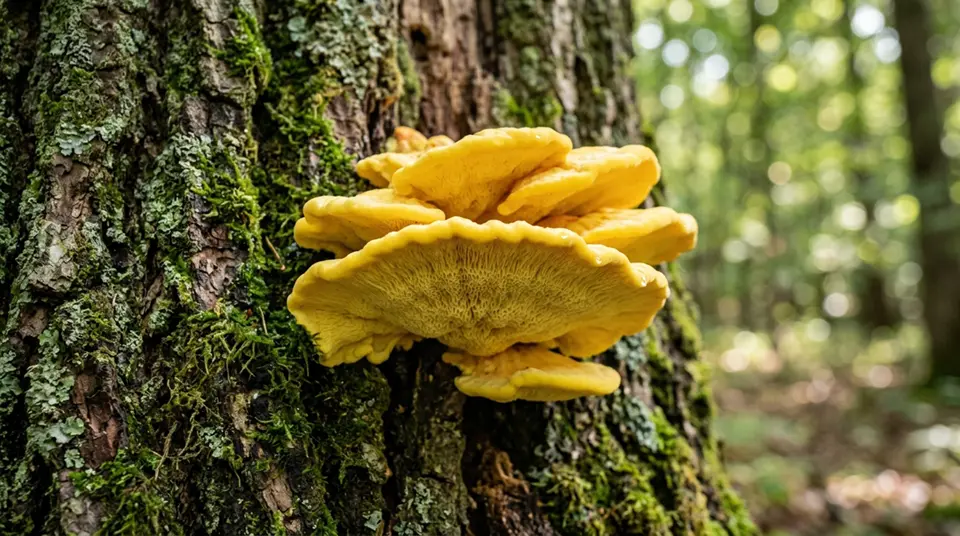
Researchers have discovered that an endophytic fungus—a microorganism living quietly inside the plant’s tissues—possesses the ability to produce key vinblastine-related compounds on its own. This unexpected finding challenges fundamental assumptions about how the drug is made in nature and raises broader questions about the role of fungi in plant-based medicines.

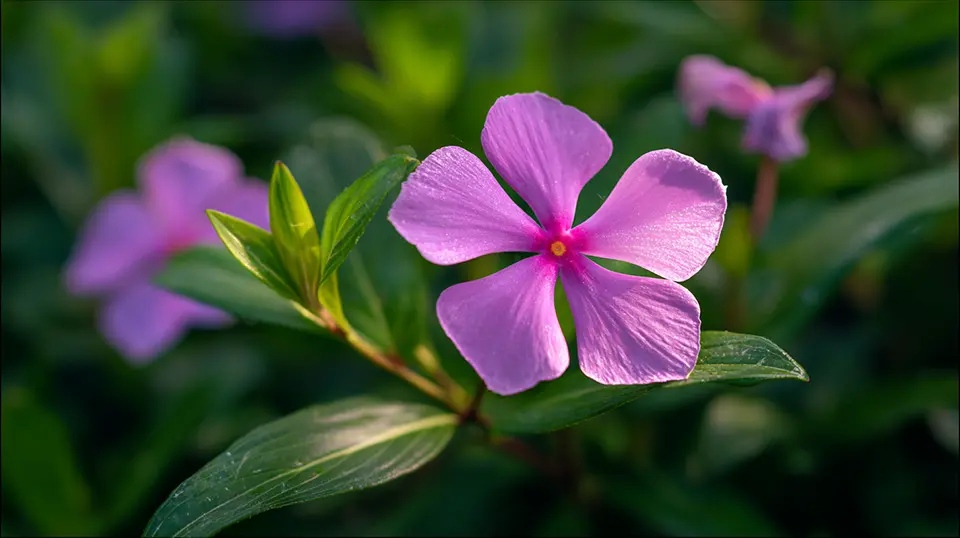
Source: Wikimedia Commons – File:Catharanthus_roseus_flower.jpg, CC BY-SA 4.0
A Cancer Drug With a Fragile Supply Chain
Vinblastine is a critical chemotherapy drug used to treat multiple cancers, including Hodgkin’s lymphoma, breast cancer, and testicular cancer. Its effectiveness is well established, but its production has always been complex and resource-intensive.
Traditionally, vinblastine has been extracted from the Madagascar periwinkle (Catharanthus roseus), a plant native to tropical regions. The drug occurs in extremely low concentrations within the plant, meaning large amounts of biomass are required to produce small quantities of medicine. This has made vinblastine expensive to manufacture and vulnerable to supply disruptions.
Despite decades of research, scientists believed the plant itself was the sole biological source of the compound.
The Hidden Role of an Endophytic Fungus
The new research reveals that this long-standing assumption was incomplete. Inside the tissues of Catharanthus roseus, researchers identified an endophytic fungus capable of synthesizing vinblastine-related molecules independently of the plant.
Endophytic fungi are common in nature. They live inside plant tissues without causing disease and often go unnoticed. In some cases, they provide benefits such as stress tolerance or disease resistance to their host plants.
What makes this discovery notable is that the fungus does not merely assist the plant—it appears capable of producing the anticancer compound through its own metabolic pathways.
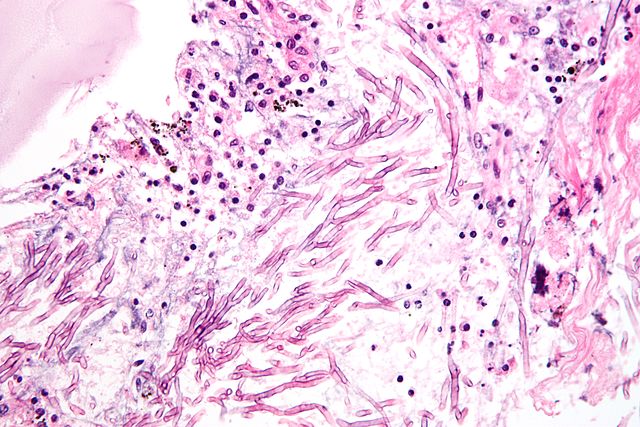
Source: Wikimedia Commons – File:Fungal_hyphae_micrograph.jpg, CC BY-SA 3.0
Why This Discovery Is Significant
The finding suggests that vinblastine biosynthesis may not be exclusively a plant process, but rather a shared or parallel biological capability involving both plant and fungus. This overturns a decades-old assumption in natural product chemistry and pharmaceutical science.
Researchers describe this as a “hidden talent” because the fungal contribution was previously invisible to conventional analysis. Only with advances in metabolomics, genomics, and fungal isolation techniques did scientists uncover the organism’s independent biosynthetic capacity.
This reframes the Madagascar periwinkle not just as a medicinal plant, but as a host ecosystem for drug-producing microorganisms.
Implications for Drug Manufacturing
The discovery has immediate implications for how vinblastine and similar drugs might be produced in the future.
Current production methods depend on cultivating large volumes of plants or on multi-step semi-synthetic processes that are costly and environmentally demanding. If fungal biosynthesis can be harnessed and scaled, it could offer:
- more consistent drug yields
- reduced reliance on plant harvesting
- lower land and water use
- simplified manufacturing pipelines
Fungal fermentation systems are already widely used in pharmaceutical production, making this approach technically feasible if further research confirms stability and safety.
A Broader Shift in Bioprocessing Thinking
Beyond vinblastine, the findings reflect a broader shift in how scientists understand natural medicines. Plants have long been credited as the sole producers of many therapeutic compounds, but growing evidence suggests that microbial partners often play crucial roles.
Endophytic fungi have already been linked to the production of antibiotics, immunosuppressants, and anti-inflammatory agents. This latest discovery strengthens the case that fungi may be silent contributors to many plant-derived drugs.
Rather than viewing plants as isolated chemical factories, researchers increasingly see them as part of complex biological networks that include bacteria and fungi working in parallel.
Which Fungus Is Involved
Studies on Catharanthus roseus have identified several endophytic fungi capable of producing vinblastine or closely related vinca alkaloids.
These include species from genera such as:
These fungi are known to colonize plant tissues without harming the host and possess sophisticated metabolic systems capable of assembling complex bioactive molecules.
Scientific and Regulatory Caution
Researchers emphasize that the discovery does not immediately replace existing production methods. Translating laboratory findings into pharmaceutical manufacturing requires extensive validation.
Key challenges include:
- ensuring consistent fungal production
- preventing contamination
- confirming chemical equivalence to plant-derived vinblastine
- meeting regulatory standards for safety and efficacy
Nonetheless, experts agree that the findings significantly expand the range of viable strategies for producing complex cancer drugs.
Why This Matters for Global Health
Cancer drug shortages remain a recurring problem worldwide, often driven by fragile supply chains and limited manufacturing capacity. Diversifying production methods reduces risk.
Fungal-based production could be especially valuable for low- and middle-income regions, where access to chemotherapy drugs is often constrained by cost and availability.
By decoupling drug supply from agricultural yields, this approach could improve resilience and equity in cancer treatment.
A Wake-Up Call for Fungal Research
The study also highlights how underexplored fungi remain in biomedical science. Compared with bacteria and viruses, fungal biology receives far less research funding, despite fungi’s proven ability to produce medically important compounds.
Scientists involved in the research argue that this discovery underscores the importance of investing in fungal genomics and metabolomics, not just for drug discovery but for understanding how medicines already in use came to exist.
Conclusion
The discovery that an endophytic fungus living inside the Madagascar periwinkle can independently produce key anticancer compounds marks a turning point in understanding vinblastine biosynthesis. It challenges long-held assumptions about plant-only drug production and reveals fungi as active, capable partners in pharmaceutical chemistry.
As research continues, this insight may reshape how classic cancer drugs are manufactured—making production more efficient, more sustainable, and more resilient in a world where access to life-saving medicines is increasingly critical.
References
FDA – Pharmaceutical Manufacturing Standards
According to genengnews