According to EXPRESS
Introduction: The Winter Drying Dilemma
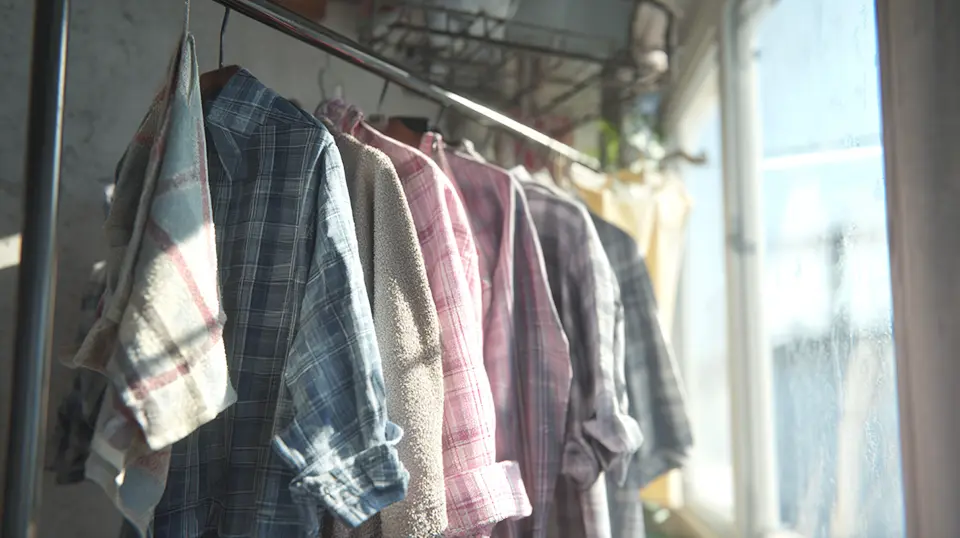
As autumn deepens and winter looms, UK households find themselves grappling with a seasonal challenge that’s both mundane and serious: drying laundry indoors. With rain, low temperatures, and short daylight hours making outdoor drying difficult or impossible, families often turn to indoor alternatives—hanging damp clothes on radiators, backs of chairs, or laundry racks placed in the nearest available space.
But while these improvisations may feel practical, experts now warn that improper indoor drying can create a perfect breeding ground for mould, damp, and the musty odours that linger long after clothes are folded away. Worse yet, this hidden moisture buildup can affect your health—especially for children, the elderly, and those with respiratory conditions like asthma.
A new set of guidelines shared by Lenor, a UK laundry care brand, offers actionable advice on how households can safely dry clothes indoors without compromising their health—or their home’s air quality.
Moisture, Mould, and Health Risks
Mould growth indoors is not just a cosmetic nuisance. It often signals deeper structural and environmental problems. When wet clothes are hung indoors, especially in poorly ventilated spaces, they release moisture into the air. This airborne water vapour then condenses on cooler surfaces—walls, ceilings, windows—creating damp patches where mould spores can settle and thrive.

Source: Wikimedia Commons, CC BY-SA 3.0
One of the most common culprits found in such environments is Aspergillus fumigatus, a fungal species that can trigger allergic reactions, respiratory irritation, and even severe infections in immunocompromised individuals. In homes with poor airflow, spores from fungi like Cladosporium and Penicillium can also circulate for hours, making their way into soft furnishings and air vents.
A study published in Indoor Air journal in 2023 revealed that drying laundry indoors can increase humidity by up to 30%, particularly when combined with insufficient ventilation. This extra moisture not only fuels fungal growth but can also warp wood, peel paint, and create long-term damage to home interiors.
The Key Fix: Choose the Right Spot
According to Lenor’s advice, the most important change households can make is where they choose to dry their laundry indoors.
“When you’re drying clothes indoors, try to position your washing near an open window or somewhere with good airflow,” the guide recommends.
This seemingly simple advice addresses the root of the issue: lack of air movement. Good airflow allows moisture from wet fabrics to dissipate into the outside environment instead of settling onto walls and surfaces. Rooms with extract fans, vents, or frequent airflow from open windows or dehumidifiers are ideal candidates.
In contrast, drying clothes in corners, closets, or tight hallways—areas often cut off from regular airflow—creates damp microenvironments where fungi thrive.

Source: Wikimedia Commons, CC BY-SA 4.0
Practical Tips for Mould-Free Drying
The advice doesn’t end with location. Lenor’s full guide offers several additional suggestions to help households combat damp and odours during winter:
- Use the Fastest Spin Cycle
After washing, select the machine’s fastest spin cycle to extract as much water as possible before drying begins. - Hang Clothes Immediately
Avoid letting damp clothes sit in the washer or pile up in a basket. - Shake and Separate Items
Hang clothes with at least one inch of space between items to encourage airflow. - Create a Dedicated Drying Zone
Use a ventilated bathroom or utility room with fans or open windows. - Use Fabric Conditioner
To reduce musty odours and keep clothes feeling soft. - Avoid Storing Clothes Prematurely
Ensure garments are completely dry before folding or storing them.
Outdoor Drying Still Possible – With Caution
Some homeowners still prefer to dry clothes outdoors when possible—even during colder months. The guidance acknowledges this, recommending early-day hanging, thorough item spreading, and always checking the weather before attempting this method.
The key is timing: colder air can still evaporate water, albeit more slowly, especially if the sun is out and humidity is low. Even partial outdoor drying can significantly reduce indoor damp risks later.

Source: Wikimedia Commons, CC BY-SA 4.0
The Science of Mould and Why It Matters
Fungi like Aspergillus fumigatus, Penicillium, and Cladosporium thrive in environments with high humidity (above 60%), low airflow, and organic material—all of which are present when clothes are dried in enclosed, unventilated rooms.
These fungi reproduce by releasing tiny spores that become airborne. When inhaled, they can lead to:
- Respiratory irritation
- Asthma flare-ups
- Fungal sinus infections
- Severe infections in people with compromised immune systems
A 2022 report by Public Health England linked indoor damp and mould exposure to a 40% increased risk of developing childhood asthma.

Source: Wikimedia Commons, CC BY-SA 3.0
Damp Homes and the Broader Energy Dilemma
The issue of indoor clothes drying is also tied to energy use and cost. Many families have cut back on tumble dryer use due to rising electricity prices, turning instead to air drying—whether or not their homes are well-suited to it.
This creates a difficult balancing act: drying laundry efficiently while maintaining indoor air quality and avoiding structural damage from damp.

Source: Wikimedia Commons, CC BY-SA 3.0
Expert Advice from Public Health Bodies
Organisations like the NHS and the UK Health Security Agency (UKHSA) echo Lenor’s advice: avoid drying clothes on radiators, improve airflow, and monitor indoor humidity.
The NHS particularly warns against drying laundry in bedrooms, especially for children or people with asthma. Condensation buildup on walls and ceilings can silently lead to long-term mould colonisation behind furniture or wallpaper.
Using humidity sensors (available for under £20) can help families track indoor air conditions and take action before mould becomes visible.
Homeowner Action Plan: A Recap
If you live in the UK and must dry clothes indoors this winter, consider adopting this action plan:
- Always use a fast spin cycle before drying.
- Hang clothes near open windows or use an extractor fan.
- Keep drying areas clean and rotate items regularly.
- Space clothes out to allow airflow between garments.
- Avoid drying in bedrooms or poorly ventilated areas.
- Invest in a dehumidifier or humidity sensor if possible.
- Never store damp clothes—even if they feel “almost dry.”
The Takeaway: Small Habits, Big Impact
The seemingly small act of where and how we dry clothes indoors has significant consequences—on our homes, our health, and even our finances. Fortunately, as this latest guidance highlights, simple adjustments can make a big difference.
Drying clothes in a better-ventilated area—ideally near an open window or extractor fan—costs nothing but offers substantial protection against the silent risks of damp, odours, and mould.
As winter approaches and indoor drying becomes a necessity, making these changes can help households stay not only warm—but also safe, dry, and healthy.
References
- Indoor Air Journal, 2023 study on indoor drying and humidity
- Aspergillus fumigatus – Wikipedia
- Cladosporium – Wikipedia
- Penicillium – Wikipedia
- NHS – Official site
- UK Health Security Agency (UKHSA)
According to EXPRESS