According to THE PANTHER
Reports of mold in student dormitories have become a recurring concern at many universities. Stories about unhealthy living conditions often circulate rapidly among students, sometimes spreading faster than the microorganisms themselves. A recent report examining mold concerns in campus housing explores the gap between perception, rumor, and scientific reality, highlighting how environmental health issues can become amplified through community discussion.
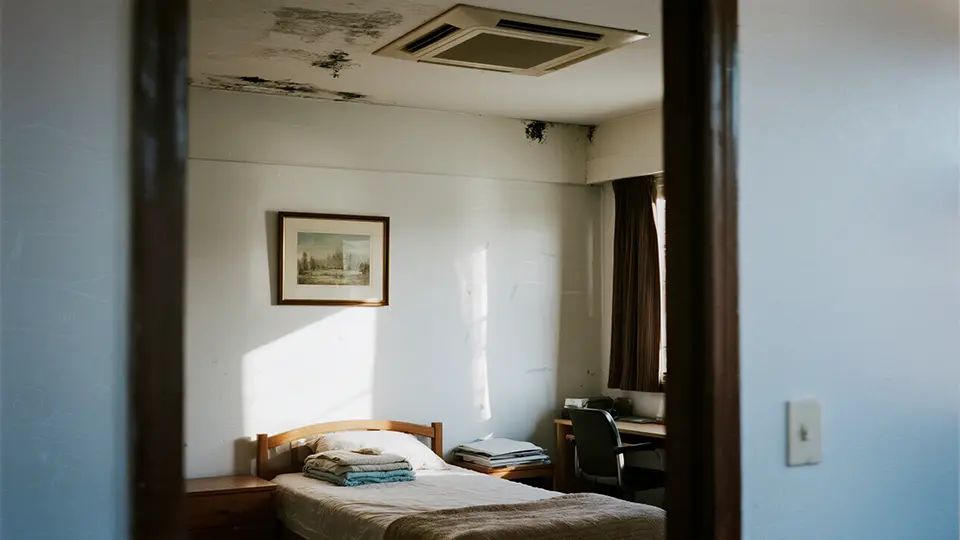
The investigation focuses on dormitory environments where students commonly report signs of mold growth, including visible discoloration on walls, musty odors, and concerns about respiratory health. While mold can indeed develop in buildings under certain conditions, experts emphasize that understanding how mold forms and spreads is essential to accurately evaluating potential risks.
Mold in Dormitory Environments
Dormitories are shared living environments where moisture, limited ventilation, and dense occupancy can sometimes create favorable conditions for microbial growth. Mold is a type of fungus that thrives in damp environments and reproduces through microscopic spores that circulate through the air.
When moisture accumulates on building materials such as drywall, ceiling tiles, wood, or insulation, mold spores can germinate and form colonies. Common triggers include water leaks, condensation, high humidity, or poor airflow.
Because dormitories often house large numbers of students in relatively small spaces, environmental conditions can fluctuate frequently. Activities such as showering, cooking, and drying clothing indoors may increase indoor humidity levels, potentially contributing to mold development if ventilation is inadequate.

How Mold Concerns Spread Among Students
Students frequently share their experiences through social media, group chats, and campus forums.
Once one report appears online, similar stories often emerge from other students who begin to examine their own living spaces more closely. In some cases, concerns escalate as images and descriptions circulate widely.
This phenomenon illustrates how information transmission in student communities can amplify environmental concerns, even when the underlying conditions vary between buildings or rooms.
Public health experts note that heightened awareness of environmental hazards can be beneficial if it encourages reporting and inspection. However, it may also create misunderstandings when anecdotal reports are interpreted as widespread problems without supporting evidence.
Health Concerns Associated With Mold
Exposure to mold can affect individuals differently depending on their sensitivity, immune status, and the concentration of spores in the environment.
Some people may experience allergic reactions when exposed to mold spores. Symptoms can include nasal congestion, coughing, throat irritation, eye irritation, and skin reactions. Individuals with asthma or other respiratory conditions may be more sensitive to airborne mold spores.
However, scientists emphasize that not all mold exposure results in illness. Mold is a natural component of indoor and outdoor environments, and small quantities of spores are present in most indoor spaces.
Health risks generally increase when mold growth becomes extensive or when moisture problems remain unresolved over time.

Scientific Assessment of Mold Presence
Determining whether mold poses a significant problem requires environmental assessment rather than relying solely on visual observation or odor detection.
Environmental health specialists typically investigate moisture sources, measure humidity levels, and inspect building materials for signs of microbial growth. Laboratory testing may also be conducted to identify specific fungal species present in indoor environments.
In many cases, remediation efforts focus on removing moisture sources rather than eliminating every mold spore. Because spores are naturally present in the environment, long-term control depends primarily on preventing conditions that allow mold colonies to develop.
Building Maintenance and Prevention
University housing departments are responsible for maintaining dormitory infrastructure and addressing environmental concerns reported by residents.
Routine inspections, proper ventilation systems, and timely repairs to plumbing leaks are essential components of mold prevention strategies in campus housing.
Building managers often encourage students to report visible moisture problems, leaks, or persistent odors so that maintenance staff can investigate potential issues early.
Preventive practices may also include maintaining indoor humidity levels below recommended thresholds and ensuring adequate airflow in bathrooms and living spaces.
The Role of Communication
Effective communication between students, housing administrators, and environmental health experts plays a crucial role in addressing mold concerns.
When students feel their reports are acknowledged and investigated promptly, trust in housing management tends to improve. Transparent communication about inspection results and remediation efforts can help clarify whether mold growth is present and what actions are being taken.
Universities increasingly rely on environmental health specialists to conduct assessments and provide evidence-based recommendations for building management.
Understanding the Difference Between Mold Growth and Mold Fear
The spread of dormitory mold stories highlights the difference between biological growth and social perception.
While mold colonies require specific environmental conditions to develop, concerns about mold can spread rapidly through social networks. This dynamic can sometimes lead to heightened anxiety among students even when environmental assessments reveal limited microbial growth.
Experts emphasize that both aspects—actual environmental conditions and community perception—should be considered when addressing dormitory mold concerns.
Providing clear information about mold biology, health risks, and building maintenance procedures can help reduce confusion and support informed decision-making.
Common Indoor Mold Species
Several fungal species are frequently identified in indoor environments, particularly in buildings with moisture issues.
Species of Aspergillus, Penicillium, and Cladosporium are among the most commonly detected indoor molds. These fungi reproduce by producing airborne spores that can settle on surfaces and begin growing when sufficient moisture is present.
Another species often associated with water-damaged buildings is Stachybotrys chartarum, sometimes referred to as “black mold.” This species grows on materials with high cellulose content, such as drywall and paper products, when persistent moisture is present.
Identifying the species involved can help environmental specialists determine the appropriate remediation approach.

Balancing Awareness and Scientific Evidence
Mold concerns in dormitories illustrate the broader challenge of balancing environmental awareness with scientific evidence.
On one hand, student reports can serve as early warnings that prompt building inspections and maintenance interventions. On the other hand, widespread discussion without verification may create misunderstandings about the scale of a problem.
Public health specialists emphasize the importance of evidence-based assessments to determine whether mold growth poses a genuine environmental health risk.
By combining scientific evaluation with open communication, universities can address concerns effectively while maintaining safe living conditions for students.
A Shared Responsibility
Maintaining healthy indoor environments in dormitories requires cooperation between students and housing management. Students play a role by reporting leaks, maintaining cleanliness, and ensuring adequate ventilation in their rooms.
Housing departments, in turn, must respond promptly to maintenance issues and provide clear guidance about preventing moisture accumulation.
Through this collaborative approach, universities can reduce the likelihood of mold growth while also ensuring that concerns about indoor environmental quality are addressed responsibly.
References
U.S. Environmental Protection Agency (EPA) – Mold Basics and Indoor Air Quality.
According to THE PANTHER