According to MSN
A New Approach to Identifying Hidden Mold
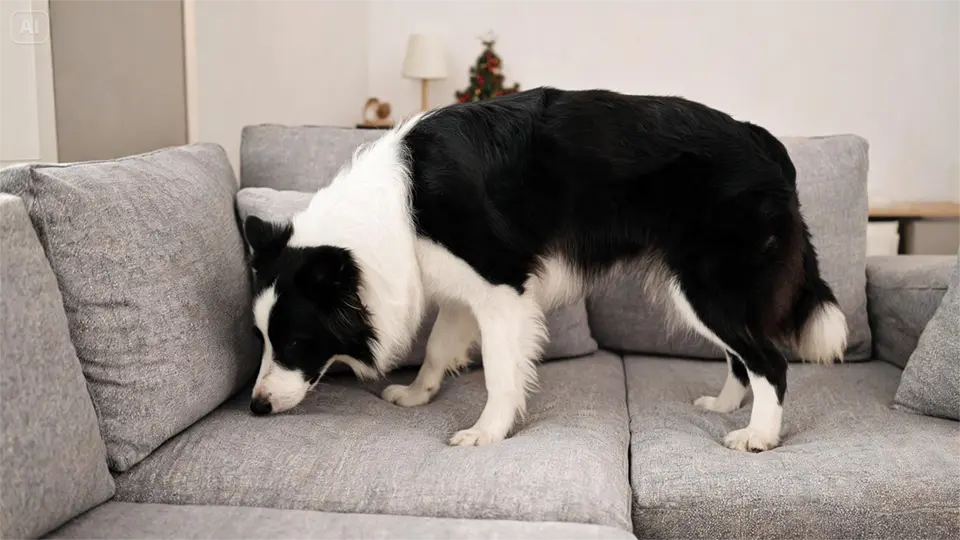
A recent report featured by MSN highlights an increasingly specialized method for locating hidden mold inside homes: trained detection dogs. Using their highly sensitive sense of smell, these dogs are being deployed to identify mold growth concealed behind walls, under flooring, inside ceilings, and in other hard-to-access areas.
The approach reflects growing awareness of indoor mold problems and the challenges associated with detecting fungal contamination before it becomes severe.
Why Hidden Mold Is Difficult to Detect
Mold often develops in places homeowners cannot easily see. Water leaks, condensation, plumbing failures, and moisture trapped behind building materials can create environments where fungi grow unnoticed for long periods.
By the time visible signs such as discoloration or musty odors appear, contamination may already be extensive. Traditional inspections frequently require invasive methods such as cutting into walls or removing flooring to locate hidden growth.
Detection dogs offer a non-destructive alternative that may identify contamination earlier and more efficiently.

How Mold Detection Dogs Work
Dogs possess olfactory systems far more sensitive than those of humans. Trained mold detection dogs are conditioned to recognize specific volatile organic compounds released by fungal growth.
During inspections, handlers guide the dogs through indoor environments while observing behavioral signals that indicate the presence of mold. When the dog identifies a target scent, it alerts the handler to the suspected location.
This allows inspectors to narrow down areas requiring further testing or remediation without immediately opening large sections of a building.
Speed and Efficiency in Home Inspections
One of the major advantages highlighted in the report is speed. Detection dogs can inspect properties more quickly than many conventional methods, particularly in larger homes or buildings with complex layouts.
Their ability to move through spaces rapidly allows inspectors to focus subsequent testing on targeted locations rather than conducting widespread exploratory demolition.
This can reduce disruption for homeowners while potentially lowering inspection costs and repair expenses.
Indoor Moisture as the Root Cause
The report emphasizes that mold itself is usually a symptom of underlying moisture problems. Leaks, flooding, poor ventilation, and humidity buildup are among the most common conditions that allow fungal growth to develop indoors.
Addressing the moisture source is considered essential in any remediation effort. Simply removing visible mold without resolving the environmental conditions that caused it may result in recurring contamination.

Health Concerns Linked to Indoor Mold
Indoor mold exposure has been associated with respiratory irritation, allergic reactions, coughing, nasal congestion, and worsening asthma symptoms in sensitive individuals.
Although the severity of health effects varies depending on exposure levels and individual susceptibility, prolonged exposure in poorly ventilated environments can contribute to ongoing indoor air quality concerns.
Children, older adults, and individuals with weakened immune systems are generally considered more vulnerable to mold-related health effects.
The Growing Demand for Specialized Detection
As awareness of indoor environmental quality increases, homeowners are seeking more accurate ways to identify hidden contamination. Mold detection dogs are becoming part of a broader industry focused on environmental diagnostics and indoor health assessments.
The method is particularly useful in cases where moisture damage is suspected but no visible mold is present.
Limitations and Verification
While detection dogs can identify suspected mold locations, experts note that canine inspections are generally used alongside additional testing methods. Air sampling, moisture measurements, and laboratory analysis may still be required to confirm the extent and type of contamination.
Environmental conditions, airflow patterns, and competing odors can also influence detection accuracy. Proper training and experienced handlers are therefore critical components of successful inspections.
Mold as an Indoor Environmental Issue
The report reflects broader concerns about building health and indoor environmental quality. Modern buildings often prioritize energy efficiency and airtight construction, but insufficient ventilation can inadvertently trap moisture indoors.
This creates conditions where hidden fungal growth may develop more easily, particularly following leaks or water damage incidents.
Technology and Biology Working Together
The use of detection dogs demonstrates how biological capabilities continue to complement technological inspection tools. While infrared cameras and moisture meters identify structural conditions, trained dogs add a biological sensing capability that remains difficult to replicate fully with machines.
This combination of approaches may improve the overall effectiveness of mold investigations.
A Preventive Approach to Home Health
Early detection is one of the most important factors in limiting mold-related damage and remediation costs. By locating hidden contamination sooner, homeowners may be able to address moisture problems before structural deterioration becomes severe.
Preventive inspections also contribute to maintaining healthier indoor environments and protecting property value.
Looking Ahead
As demand for indoor environmental assessments grows, mold detection dogs may become more common in residential and commercial inspections. Their role reflects a broader shift toward proactive building maintenance and health-focused property management.
The report ultimately highlights that mold problems often remain hidden until advanced stages, and innovative detection methods—whether biological or technological—are becoming increasingly important in identifying and managing indoor fungal contamination.
References
Centers for Disease Control and Prevention (CDC). “Mold.”
According to MSN