According to MSN
When you think of mold, images of damp forests or rainy coastlines may come to mind—not the sunny, cactus-dotted landscapes of southern Arizona. Yet in Tucson, mold is quietly taking hold in hundreds of homes, often hidden behind walls or beneath floors, turning even desert dwellings into potential health hazards.

Source: Wikimedia Commons, CC BY-SA 4.0
Local mold removal contractor Steamy Concepts reports that many houses in the region weren’t built to withstand bursts of water or seepage. As soon as plumbing fails or moisture infiltrates, weak ventilation and delayed drying allow molds to establish themselves. Their technicians frequently deploy dehumidifiers, air scrubbers, and containment methods in homes with water damage.
One technician notes: “Less than a square foot can actually contain tens of thousands of spores.” For those with asthma, allergies, or weakened immune systems, that can translate into serious respiratory distress.
Horn, the owner of Steamy Concepts, highlights species commonly seen in Tucson homes, like Stachybotrys chartarum and Cladosporium—molds that may produce mycotoxins and are often found under cabinets, around water heaters, or in wall cavities after leaks. He cautions that while some mold is surface-level and manageable with cleaning, recurring or embedded mold requires professional remediation.
Renters facing persistent mold are advised to document the issue—take photos, record dates, and notify landlords in writing, invoking Arizona’s maintenance laws. Landlords are legally required to maintain habitable premises, which includes addressing mold resulting from structural or plumbing failures.
Why Mold in the Desert?
It may sound counterintuitive, but dry climates like Tucson can still foster mold when certain conditions arise:
- Water intrusion & plumbing failures
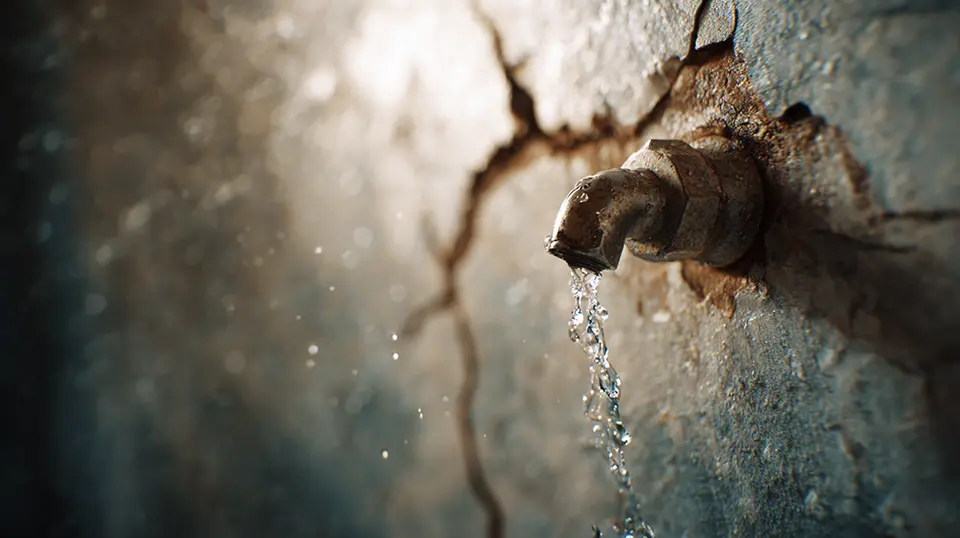
Homes not designed for freeze-thaw cycles can crack and leak. Burst pipes or roof leaks during rare rains introduce moisture deep into walls. - Poor drying and ventilation
Without adequate airflow, moisture lingers and supports mold colonization in wall cavities and flooring. - Hidden structural issues
Cracks, defective flashing, or lack of vapor barriers can allow subterranean or ground moisture to ascend. - Building materials & interior microclimates
Gypsum board, cellulose insulation, and wood framing provide nutrients for molds once moisture arrives. - Neglect of early signs
Musty odors, condensation, or stained drywall are often dismissed until infestation becomes severe.

Source: Wikimedia Commons, Public Domain
Local mold remediation firms in Tucson (including Titan Restoration, T & T, HC Environmental) now operate year-round, reflecting growing demand.
Health Risks & Why Prompt Action Matters
When mold spores become airborne, they can exacerbate or trigger health problems:
- Allergic reactions: sneezing, runny nose, itchy eyes
- Asthma flare-ups and chronic coughing
- Mycotoxin exposure (especially Stachybotrys) linked to more serious respiratory and neurological symptoms
- In immunocompromised individuals, invasive fungal infections
Because spores are microscopic and often hidden, by the time mold is visible, it may have deeply colonized materials. Mold remediation experts stress that simply cleaning visible stains often fails to resolve the underlying cause—leaving residual spores behind.
Remediation & Prevention Strategies
To remediate and prevent recurrence, professionals follow multi-step protocols:
- Inspection & moisture assessment
Use moisture meters, infrared imaging, and air sampling to locate hidden contamination. - Containment
Seal off affected zones, maintain negative air pressure, and prevent spore migration during cleanup. - Physical removal and cleaning
Remove or treat contaminated materials (drywall, insulation, carpet) and clean surfaces with HEPA vacuuming and antimicrobial products. - Drying and dehumidification
Deploy industrial dehumidifiers and air movers to reduce indoor relative humidity and fully dry structural cavities. - Repair and restoration
Fix leaks, improve drainage, install vapor barriers or better flashing, and use mold-resistant materials where possible. - Follow-up verification
Conduct post-remediation air testing to confirm spore levels are safe.

Source: Wikimedia Commons, CC BY-SA 4.0
For homeowners, preventive measures include:
- Fix plumbing or roof leaks immediately
- Use exhaust fans in bathrooms and kitchens
- Maintain indoor humidity below ~50%
- Dry wet items promptly; avoid indoor clothes drying
- Inspect concealed spaces (under sinks, behind appliances) regularly
- Use mold-resistant paints or materials in high-risk areas
Legal and Tenant Considerations
For renters, mold can create contentious landlord-tenant disputes. In Arizona, landlords are required to maintain habitable premises, including addressing deficiencies that lead to mold. However, if mold arises from tenant misuse (lack of ventilation, spilling water, failure to report), landlords may push back on claims.
To protect themselves, tenants should:
- Document mold outbreaks immediately (photos, videos, dated notes)
- Notify landlords in writing and request remediation
- Request independent inspection if claims are denied
- Understand lease clauses about repairs, mold, and habitability
Homeowners should consider:
- Regular property maintenance checks
- Including mold/moisture remediation clauses in contracts
- Hiring certified remediation professionals for extensive infestations
My Perspective: The Hidden Risk in the Sunbelt
Tucson’s mold problem underscores a broader lesson: no climate is immune to fungal threats once water mixes with vulnerable building materials. The combination of occasional water intrusion and poor drying infrastructure invites mold to colonize where we least expect it.
Too often, mold in arid climates is dismissed. But as the technician warned, even a tiny inadvertent moisture breach can seed thousands of spores. Left unchecked, structural damage, health impacts, and remediation costs accumulate.
For people in Tucson (or any “dry” region), vigilance is essential. Frequent inspections, responsive leak repair, humidity control, and tenant/owner awareness are the frontline defenses. In a sunlit city, the shadows behind walls may conceal far more than we imagine.

Source: Wikimedia Commons, CC BY-SA 4.0
References
- Centers for Disease Control and Prevention (CDC). (2024). Facts about mold and dampness.
- Environmental Protection Agency (EPA). (2024). Mold Remediation in Schools and Commercial Buildings.
- Arizona Department of Health Services (ADHS). (2023). Indoor air quality and mold guidance.
According to MSN