According to MC MASTER NEWS
A Growing Concern in Wildlife Disease Monitoring
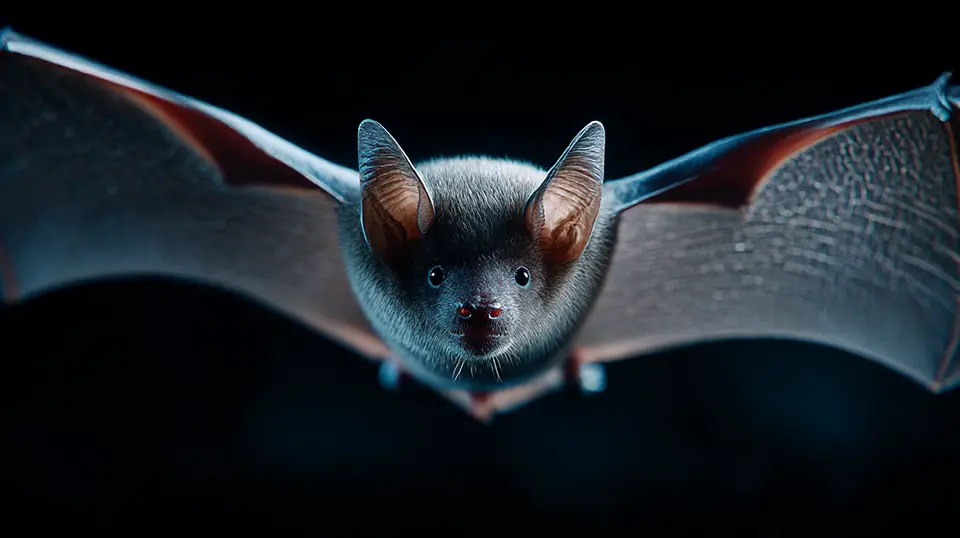
New research suggests that a deadly fungal disease affecting bat populations is more widespread in western Canada than scientists had previously understood. The findings raise concerns about the health of bat populations and the broader ecological implications of the disease’s spread. Researchers emphasize that improved monitoring and surveillance have revealed a wider geographic distribution, indicating that the pathogen may already be established across larger areas than initially detected.
The disease, commonly known as white-nose syndrome, has been responsible for the decline of millions of bats across North America. The updated findings underscore the importance of continued research efforts to understand how the fungus spreads and how it affects bat populations in different environments.

Source: Wikimedia Commons, CC BY-SA 3.0
What Is White-Nose Syndrome?
White-nose syndrome is a fungal disease that affects hibernating bats. It is caused by the fungus Pseudogymnoascus destructans, which grows on the skin of bats, particularly on their noses, wings, and ears. The fungus thrives in cold, humid environments such as caves and mines, where bats typically hibernate during winter months.
Infected bats often display a characteristic white, powdery growth on their noses, which gives the disease its name. However, the impact of the infection extends beyond visible symptoms. The fungus disrupts physiological processes critical to hibernation, leading to increased energy expenditure and, in many cases, death.

Source: Wikimedia Commons, CC BY-SA 3.0
Expanded Detection in Western Canada
The report indicates that recent monitoring efforts have detected the presence of the fungus in regions of western Canada where it had not been previously confirmed. This suggests that the disease may have spread further than earlier surveillance data indicated.
Scientists caution that detection does not necessarily mean the fungus has only recently arrived. Instead, it may have been present but undetected due to limited sampling or the difficulty of monitoring remote habitats. The new findings highlight the importance of expanding surveillance networks to obtain a more accurate picture of disease distribution.
How the Fungus Affects Bats
White-nose syndrome affects bats during hibernation, a period when their metabolism slows and their energy reserves must last through the winter. The fungus irritates the skin and disrupts normal hibernation patterns, causing bats to wake more frequently.
Each awakening consumes valuable energy reserves, which can lead to starvation before the end of winter. In addition, damage to wing tissue can impair a bat’s ability to regulate water balance and temperature.
The combined effects of these disruptions often result in high mortality rates within affected populations.

Source: Wikimedia Commons, CC BY-SA 3.0
Ecological Importance of Bats
Bats play a critical role in ecosystems, particularly as insect predators. By consuming large quantities of insects, they help control pest populations and contribute to agricultural stability.
A decline in bat populations can lead to increases in insect numbers, which may affect crop yields and increase the need for chemical pest control. The spread of white-nose syndrome therefore has implications not only for biodiversity but also for human economic systems.
Researchers emphasize that protecting bat populations is important for maintaining ecological balance.
Why the Spread Matters
The expansion of the fungus into western Canada is significant because it indicates that the disease is continuing to move across the continent. The rate and pattern of spread may be influenced by bat migration, environmental conditions, and human activity.
Caves and underground habitats can serve as reservoirs for the fungus, allowing it to persist even when bat populations decline. This persistence makes it difficult to eliminate the pathogen once it becomes established.
The findings suggest that efforts to manage the disease must account for its ability to spread across large geographic areas.
Monitoring and Research Efforts
Researchers are using a combination of field surveys, environmental sampling, and laboratory analysis to track the presence of the fungus. Advances in detection methods have improved the ability to identify the pathogen even when visible symptoms are not present.
Monitoring programs often involve collaboration between universities, government agencies, and conservation organizations. These partnerships are essential for covering large geographic areas and sharing data.
The report highlights the importance of continued investment in surveillance systems to detect changes in disease distribution over time.
Challenges in Disease Management
Managing white-nose syndrome presents several challenges. The fungus thrives in environments that are difficult to access and monitor, such as caves and underground structures. In addition, bats themselves are highly mobile, which can facilitate the spread of the pathogen.
There are currently limited options for treating infected wild bat populations. Research is ongoing to explore potential interventions, including biological control methods and environmental management strategies.
However, large-scale solutions remain under development, and prevention is considered the most effective approach.
Environmental and Climatic Factors
Environmental conditions play a key role in the development and spread of the fungus. Cold and humid environments provide ideal conditions for fungal growth, which is why hibernation sites are particularly affected.
Changes in climate may also influence disease dynamics by altering habitat conditions and bat behavior. Understanding these factors is important for predicting how the disease may spread in the future.
Researchers are studying how temperature and humidity interact with fungal growth to better understand risk patterns.
Broader Implications for Wildlife Health
The spread of white-nose syndrome reflects a broader trend of emerging infectious diseases affecting wildlife. Similar to other fungal pathogens that have impacted amphibians and plants, this disease highlights the vulnerability of ecosystems to microbial threats.
Scientists note that increased global connectivity, environmental change, and habitat disruption may contribute to the emergence and spread of such diseases.
The findings therefore contribute to a larger conversation about biodiversity conservation and environmental resilience.
A Call for Continued Vigilance
The report concludes that ongoing monitoring and research are essential to understanding and managing the spread of white-nose syndrome. Early detection and data sharing can help inform conservation strategies and reduce the impact on bat populations.
Public awareness also plays a role, particularly in reducing human activities that may inadvertently spread the fungus between habitats.
As the disease continues to expand its range, coordinated efforts will be necessary to protect vulnerable species and maintain ecological balance.
References
According to MC MASTER NEWS