According to NEW YORK POST
Wildlife officials in Nevada have confirmed the presence of a fungus responsible for white-nose syndrome (WNS) in bats at one of the United States’ most frequented recreational and tourist destinations, raising concerns about wildlife health and ecological balance. The discovery, made in the Lake Mead National Recreation Area, marks the first documented detection of this pathogen in the state, signaling a continued east-to-west progression of this devastating disease across North America.
White-nose syndrome is a fungal disease that has decimated bat populations since its initial detection in New York State in the early 2000s. Scientists widely attribute the condition to the fungus Pseudogymnoascus destructans, a cold-loving (psychrophilic) organism that proliferates on the skin of hibernating bats, particularly at frigid temperatures found in caves and mines during winter months.
Local wildlife officials have made clear that the presence of the fungus does not currently equate to a widespread outbreak, nor does the fungus pose a direct health risk to humans. However, its detection in Nevada—one of the last major western states without confirmed fungal presence—highlights the pathogen’s continued spread and underscores longstanding concerns among conservation biologists about the trajectory of bat population declines.

Source: Wikimedia Commons, CC BY-SA 2.0
First Detection in Nevada: What Officials Report
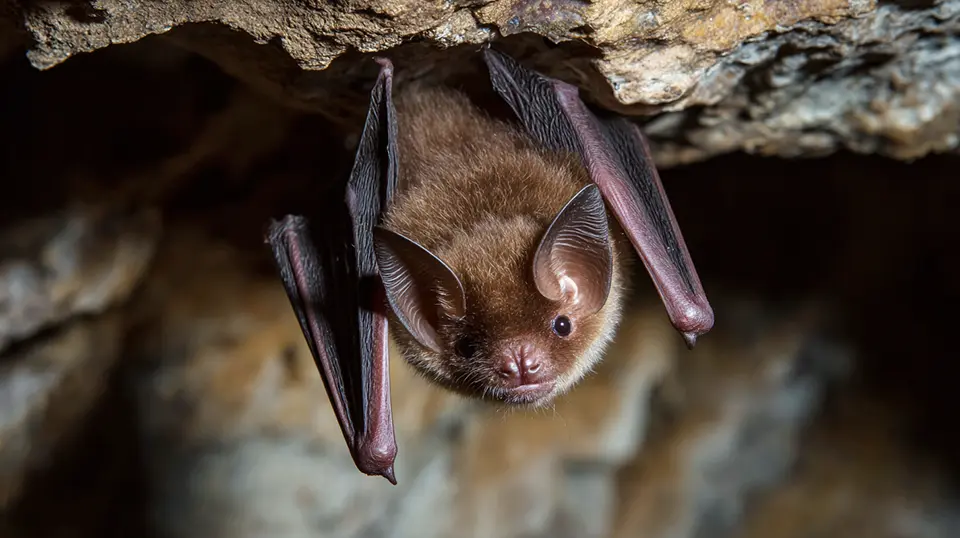
According to the Nevada Department of Wildlife (NDOW) and partner agencies, the fungus was identified on a California leaf-nosed bat sampled during routine monitoring in the Lake Mead area. Although no bats in the region have yet shown overt clinical symptoms of white-nose syndrome, the presence of the fungus signals a significant shift in the pathogen’s geographic distribution.
White-nose syndrome is characterized by the appearance of a white, powdery fungal growth on the muzzle, ears, and wings of infected bats during hibernation. In affected individuals, the disease disrupts normal hibernation behavior, leading bats to wake more frequently, deplete fat reserves prematurely, and ultimately succumb to starvation or secondary complications.
NDOW wildlife specialists emphasize that bats play indispensable roles in native ecosystems, acting as major consumers of nocturnal insects, pollinators for certain plant species, and seed dispersers. A severe decline in bat populations could thus reverberate through wider ecological networks, affecting insect population dynamics, crop pest control, and overall biodiversity.

Source: Wikimedia Commons, CC BY-SA 2.0
Understanding White-Nose Syndrome and Its Effects
White-nose syndrome is caused by Pseudogymnoascus destructans, a fungus that grows in cool, damp environments typical of bat hibernacula. This organism thrives in temperatures between approximately 4 °C and 20 °C and can persist on bat skin, cave surfaces, and in soil. Once colonized, fungal growth provokes tissue damage and physiological disruption in hibernating bats.
The syndrome first emerged in the northeastern United States in the winter of 2006–2007 and has since spread across large parts of North America. In some regions, bat species have experienced dramatic population declines, with estimates suggesting millions of bats have perished since the disease’s onset.
Bats infected with WNS typically exhibit:
Unusual white fungal growth on muzzles and wings;
Arousal from hibernation at abnormal frequencies;
Rapid depletion of fat stores necessary to survive winter;
Abandonment of hibernacula in mid-winter;
Increased mortality due to starvation or exposure.
The fungus does not directly infect humans, and there is no evidence of human illness from Pseudogymnoascus destructans. However, humans can inadvertently contribute to pathogen spread by transporting spores on clothing, shoes, and equipment used in bat habitats, particularly caves and abandoned mines.

Source: Wikimedia Commons, CC BY-SA 3.0
Ecological Implications for Tourism Regions
Lake Mead National Recreation Area, straddling Nevada and Arizona, draws millions of visitors annually and encompasses a diverse mosaic of habitats. The confirmation of the white-nose syndrome fungus in this region signals that even popular tourism areas are not insulated from emerging wildlife diseases.
While the immediate risk to visitors’ health is negligible, environmental managers and park officials are advising people to avoid entering abandoned mines and cave systems where bats hibernate. This precaution serves dual purposes: protecting visitors from dangerous terrain and minimizing human-mediated spread of spores between sites.
From an ecological standpoint, the westward expansion of white-nose syndrome raises concerns about the cumulative toll on bat populations throughout the continent. Bat species vary in their susceptibility to the disease, but many hibernating species have experienced precipitous declines in regions heavily affected by the fungus. That trend, if repeated in western populations, could lead to significant local extinctions and altered ecosystem function.
The National Park Service and NDOW have been proactive in surveillance efforts, tracking bat health and testing for the presence of P. destructans for years. Nevada officials have indicated that detection of the fungus was expected, given how the pathogen has steadily moved across the United States over the past two decades. Ongoing monitoring, equipment decontamination protocols, and public education campaigns are part of the management strategy to slow disease spread.

Source: Wikimedia Commons, CC BY-SA 4.0
Conservation and Monitoring Strategies
Addressing white-nose syndrome is complex because the fungus thrives in environments that are also critical for bat survival. Conservation biologists and wildlife agencies typically pursue a range of measures, such as:
Habitat protection and limiting human access to sensitive hibernacula;
Educational outreach to hikers, cavers, and tourists about minimizing spore transfer;
Decontamination protocols for equipment entering bat habitats;
Ongoing population monitoring to track disease progression and bat abundance trends.
There is currently no widely available treatment to cure affected bat colonies, and research continues into possible interventions, including biological controls and environmental modification. However, most strategies focus on limiting spread and protecting unaffected populations.

Source: Wikimedia Commons, CC BY-SA 2.0
My Analysis: Why This Matters Beyond Wildlife Disease
The confirmation of white-nose syndrome fungus in a popular tourism region reminds us that disease ecology extends far beyond human health. Fungi like Pseudogymnoascus destructans can reshape wildlife communities with cascading effects on ecosystems humans rely on—whether through insect control, pollination services, or ecological balance in protected areas.
This event also illustrates how pathogen spread is a slow, relentless process, moving across broad geographic scales over years and decades. The presence of the fungus in Nevada does not represent an abrupt catastrophe but rather a milestone in a longer narrative of wildlife disease expansion. Conservation and management strategies must adapt to these long-term processes, recognizing that preventing pathogen spread often requires collaboration across agencies, scientists, and the public.
For visitors, awareness and simple precaution—like avoiding caves or sterilizing equipment—are meaningful actions that contribute to protecting vulnerable wildlife. In an era of increasing ecological disturbances, understanding and respecting pathogen dynamics becomes part of responsible recreation and stewardship.
References
National Park Service (NPS) explainer — What Is White-nose Syndrome?
According to NEW YORK POST