According to discoverwildlife
Rethinking Life Beyond Earth
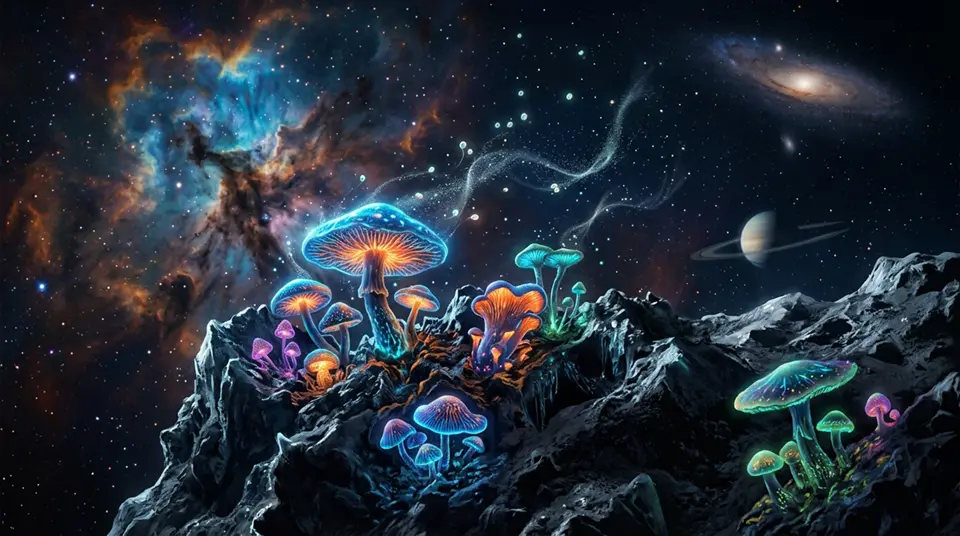
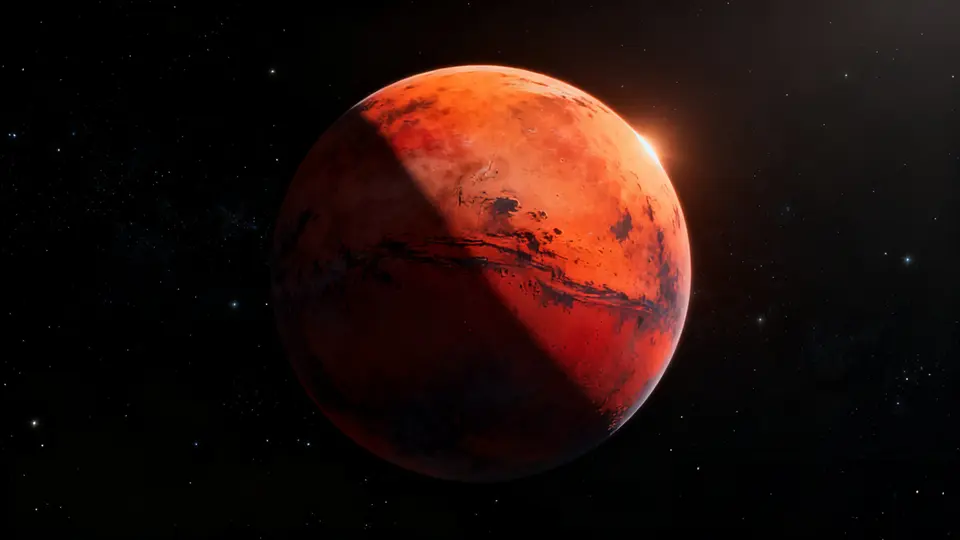
As humanity looks toward Mars as a potential destination for exploration and long-term habitation, scientists are increasingly examining which forms of life could survive beyond Earth. A recent report by Discover Wildlife highlights growing interest in fungi as potential candidates for supporting life in extraterrestrial environments.
Unlike many organisms that require stable and resource-rich conditions, fungi are known for their resilience and adaptability. These characteristics have positioned them as key subjects in research focused on sustaining life in extreme environments such as Mars.

Why Fungi Stand Out Among Organisms
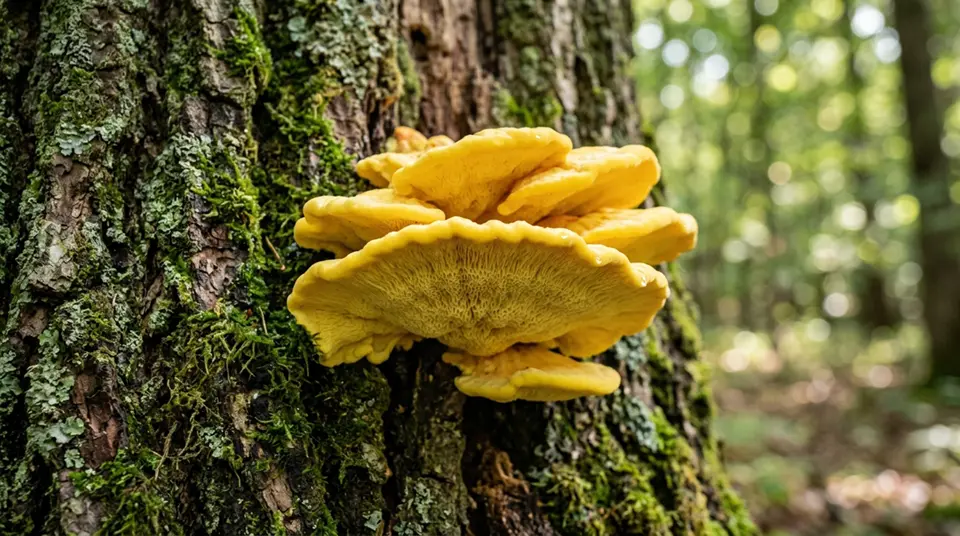
Fungi possess unique biological traits that make them particularly suited to harsh conditions. They can survive with minimal nutrients, tolerate environmental stress, and grow on a wide range of substrates. On Earth, fungi are found in some of the planet’s most extreme environments, including arid deserts, polar regions, and areas exposed to high radiation.
This adaptability suggests that fungi may be capable of enduring the challenging conditions found on Mars, including low temperatures, limited water availability, and high levels of radiation.
Supporting Human Survival in Space
Beyond their ability to survive, fungi may play an active role in supporting human life during space missions. Researchers are exploring how fungi could contribute to closed-loop systems—self-sustaining environments where resources are continuously recycled.
In such systems, fungi could help decompose organic waste, converting it into usable nutrients for plants or other organisms. This process would be essential for maintaining food production and waste management in isolated environments like a Mars habitat.
Additionally, fungi could be used to produce materials, including biodegradable structures or protective coatings. Some studies suggest that fungal-based materials might even help shield against radiation, offering dual functionality in space applications.
The Role of Mycelium in Space Technology
Central to fungal functionality is mycelium, the network of thread-like structures that form the main body of a fungus. Mycelium can bind materials together, creating lightweight but strong structures.
Scientists are investigating how mycelium-based materials could be used to construct habitats or infrastructure on Mars. By combining local resources with fungal growth, it may be possible to “grow” building materials directly on-site, reducing the need to transport heavy supplies from Earth.
This concept aligns with broader efforts to develop sustainable technologies for space exploration, where efficiency and resource utilization are critical.

Challenges in a Martian Environment
Despite their resilience, fungi would still face significant challenges on Mars. The planet’s atmosphere, temperature extremes, and limited liquid water availability present obstacles that require careful management.
Controlled environments would likely be necessary to support fungal growth. Researchers must also ensure that introducing Earth-based organisms does not pose risks to potential Martian ecosystems or interfere with scientific investigations.
Another consideration is how fungi would interact with other components of a space habitat, including plants, microbes, and human occupants. Maintaining balance within these systems is essential for long-term sustainability.

Insights from Earth-Based Experiments
Much of the current understanding comes from experiments conducted in extreme environments on Earth. By studying fungi in deserts, polar regions, and high-radiation zones, scientists gain insight into how these organisms respond to conditions similar to those on Mars.
Laboratory simulations also play a key role, allowing researchers to recreate Martian conditions and observe fungal behavior. These studies provide valuable data on growth rates, survival mechanisms, and potential applications.

A Broader Perspective on Fungi’s Potential
The exploration of fungi in space reflects a broader shift in how scientists view these organisms. Once primarily associated with decomposition and disease, fungi are now recognized as versatile tools for innovation.
Their ability to transform materials, recycle nutrients, and adapt to extreme environments positions them as valuable contributors to future technological and ecological systems.
Ethical and Scientific Considerations
As research progresses, ethical questions arise regarding the introduction of Earth organisms to other planets. Planetary protection protocols aim to prevent contamination, ensuring that scientific exploration remains accurate and responsible.
Balancing the potential benefits of using fungi in space with the need to preserve extraterrestrial environments will be an ongoing challenge.
Looking Toward the Future
The possibility of fungi supporting life on Mars remains a subject of active research rather than immediate application. However, the insights gained from these studies are shaping how scientists approach the challenges of long-term space exploration.
By integrating biological systems into technological solutions, researchers are expanding the boundaries of what is possible beyond Earth. In this context, fungi are emerging not just as survivors, but as potential architects of future ecosystems in space.
References
NASA. Mars Exploration Program
According to discoverwildlife