According to CAMBRIDGE DAY
I. The Autumnal Alarm: Black Spots on the Canopy
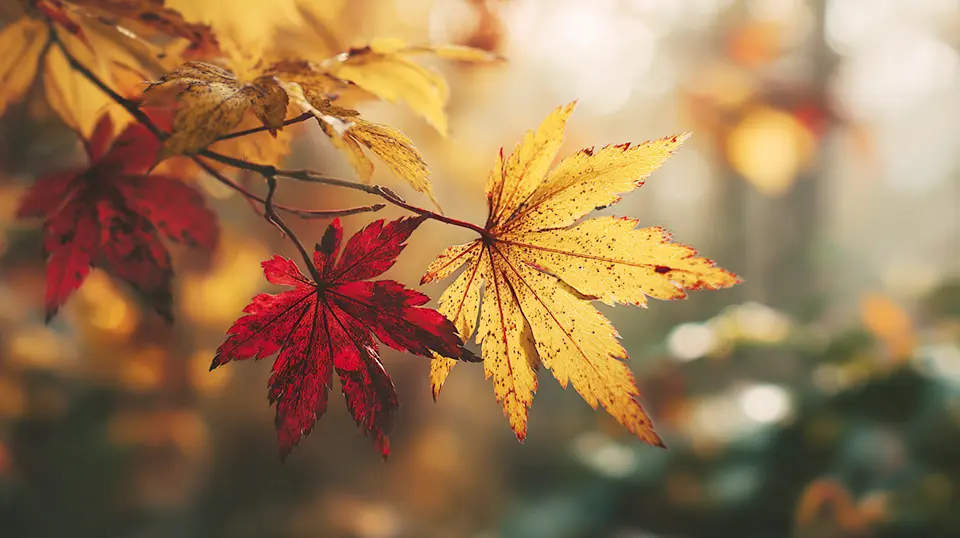
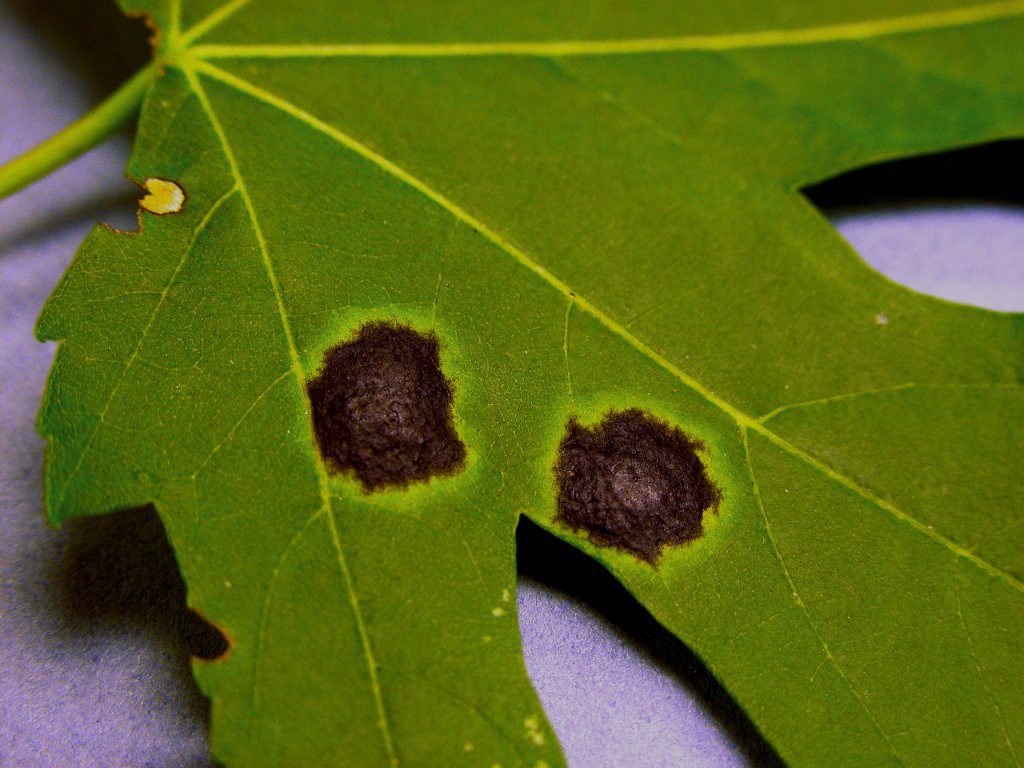
As autumn descends across North America, many residents notice a disturbing sight on their maple trees: small, raised, black lesions peppering the otherwise colorful leaves. This alarming appearance often triggers concern that the tree is suffering from a serious disease or imminent death. However, local arborists and plant pathologists confirm that this phenomenon, known as Tar Spot, is largely a cosmetic issue—a visible but benign biological interaction.
The condition is caused by a specific group of fungi, primarily Rhytisma acerinum and related species. The reassuring truth is that while the fungus looks aggressive and unsightly, it generally does not harm the long-term health or vitality of the maple tree.

Source: Wikimedia Commons, CC BY-SA 4.0

II. Tar Spot: The Fungus and Its Lifecycle
Tar Spot is easily identified by its distinctive appearance, which resembles dried spots of black paint or tar on the leaf surface. The fungus has a predictable life cycle tied closely to the weather and the host tree’s annual growth pattern.
Formation
In the late spring and early summer, fungal spores are released from infected leaves lying on the ground. These spores are carried by the wind and rain and land on new, emerging maple leaves.
Lesion Development
After the initial infection, the fungus causes small, yellowish-green spots to form. As the season progresses through late summer and early autumn, the fungal tissue within these spots thickens and turns a glossy, raised black, forming the characteristic “tar spot.”
According to The Morton Arboretum, the disease affects only maples (Acer spp.) and is considered cosmetic rather than harmful.
A fact sheet by Natural Resources Canada states: “Oval or irregular-shaped yellowish-green spots become raised, then blacken over time… This disease rarely poses a serious threat to their health.”
Benign Nature
The fungus infects only the leaves and relies on the leaf falling to the ground to survive the winter. Because the infection occurs relatively late in the growing season, after the tree has already completed the vast majority of its photosynthesis and energy storage, the fungus does not cause defoliation early enough to significantly stress the tree’s health or growth.
Reference: Maine Department of Agriculture, Conservation & Forestry

Source: Wikimedia Commons, CC BY-SA 4.0
III. The Arborist’s Viewpoint: Prevention Over Treatment
Experts stress that since Tar Spot is primarily an aesthetic problem, expensive and aggressive fungicide treatments are almost universally unwarranted and discouraged. The effort and environmental impact of applying fungicides far outweigh the negligible benefit to the tree.
The Recommended Proactive Measures Are Simple and Mechanical
- Raking and Disposal: The most effective control measure is raking and disposing of all fallen maple leaves in the autumn. By removing the infected leaves, the grower eliminates the primary source of the fungal spores that would otherwise overwinter and re-infect the tree the following spring. (Recommended by The Morton Arboretum)
- Composting Caveat: While composting is generally encouraged, infected maple leaves should not be added to home compost piles unless the compost is known to reach sufficiently high temperatures to kill the fungal spores, which is often difficult to ensure in small, residential piles. (Guidance from Maine Forest Service)
- Focus on Tree Health: Instead of focusing on the fungus, arborists advise property owners to focus on general tree health, ensuring the tree has adequate water and nutrients. A healthy, vigorous tree is inherently more resilient to all forms of minor stress, including late-season fungal infections.

Source: Wikimedia Commons, CC BY-SA 3.0
IV. Conclusion: A Lesson in Ecological Tolerance
Tar Spot serves as a valuable lesson in ecological tolerance. While the blackened leaves may signal “disease” to the untrained eye, science confirms that this fungus is merely a companion to the tree’s life cycle. The proper response is not panic or chemical intervention, but simple mechanical hygiene, allowing the tree to continue its life cycle unhindered.
References
- The Morton Arboretum. “Tar spot of maple.”
- Natural Resources Canada. “Tar Spot.”
- Royal Horticultural Society (RHS). “Tar Spot of Maple.”
According to CAMBRIDGE DAY