According to PENNSTATE
A Familiar Organism Gains New Scientific Attention
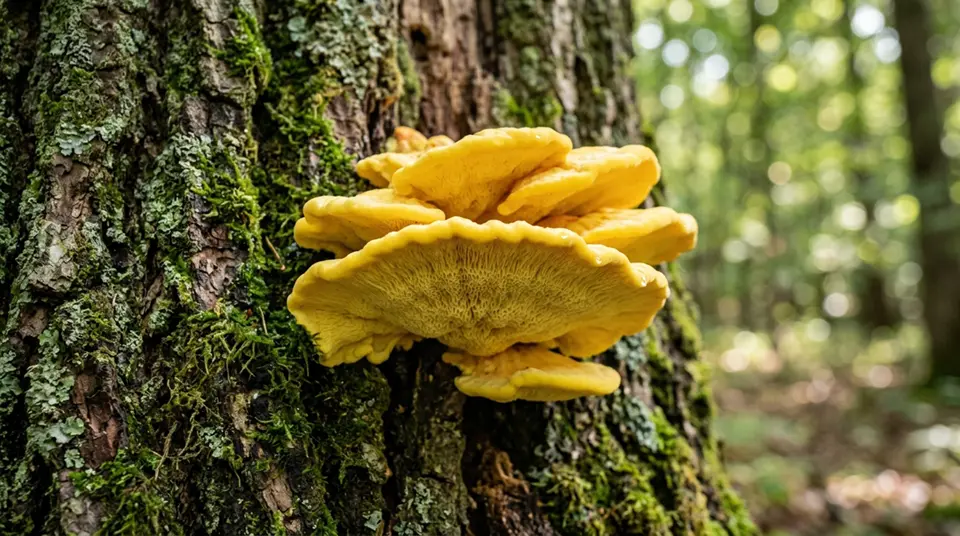
A recent study highlighted by Pennsylvania State University has uncovered new insights into how a commonly found fungus may enhance crop growth and overall plant health. While fungi are often associated with plant disease, this research emphasizes their beneficial roles, particularly in agricultural systems seeking more sustainable solutions.
The findings contribute to a growing body of work that repositions fungi not only as pathogens but also as key partners in plant development. By examining the interactions between plants and fungal organisms, scientists are identifying mechanisms that could improve agricultural productivity.
Understanding the Plant–Fungus Relationship
Plants and fungi have coexisted for millions of years, often forming symbiotic relationships. In these partnerships, fungi can support plants by improving nutrient uptake, enhancing stress tolerance, and influencing root development.
The study focuses on how certain fungal species interact with plant roots and soil environments. These interactions can alter the way plants access essential nutrients such as nitrogen and phosphorus, which are critical for growth.
Rather than acting as external inputs, fungi function as biological mediators, connecting plants to resources within the soil. This process can increase efficiency and reduce dependence on synthetic fertilizers.
Mechanisms That Promote Growth
Researchers identified specific biological pathways through which the fungus supports plant development. These include modifying root architecture, stimulating growth-related signals, and improving nutrient absorption.
By influencing root systems, the fungus enables plants to explore a larger volume of soil, accessing nutrients that would otherwise remain unavailable. This expanded reach can lead to stronger, more resilient plants.
Additionally, the presence of beneficial fungi may help regulate plant responses to environmental stress, including drought and soil nutrient variability.
Implications for Sustainable Agriculture
The discovery has significant implications for sustainable agriculture. As agriculture faces increasing pressure to reduce chemical inputs and environmental impact, biological solutions are gaining attention.
Using fungi to support crop growth offers a potential alternative to traditional fertilizers and growth enhancers. By leveraging natural processes, farmers may be able to maintain or even increase yields while reducing resource use.
This approach aligns with broader goals of improving soil health, conserving resources, and promoting long-term agricultural sustainability.
Enhancing Plant Health and Disease Resistance
Beyond growth promotion, the fungus may also contribute to plant health by influencing resistance to disease. Some beneficial fungi can compete with harmful pathogens or trigger plant defense mechanisms, reducing the likelihood of infection.
This dual role—supporting growth while enhancing resilience—makes fungi valuable tools in integrated crop management strategies. Instead of addressing problems after they occur, these approaches aim to strengthen plants proactively.
Challenges in Application
Despite the promising findings, applying this knowledge in real-world agricultural settings presents challenges. Environmental conditions, soil composition, and crop type can all influence how fungi interact with plants.
Ensuring consistent results across different farming systems requires further research and careful implementation. Scientists must also consider how introduced fungi interact with existing soil ecosystems.
Scaling up from controlled experiments to large-scale agriculture involves both technical and logistical considerations, including production, distribution, and farmer adoption.
A Shift in Agricultural Perspective
The study reflects a broader shift in how agriculture views microorganisms. Rather than focusing solely on eliminating pathogens, there is increasing interest in harnessing beneficial microbes to improve crop performance.
This perspective recognizes that soil is a complex, living system, where interactions between organisms play a critical role in plant health. By working with these natural processes, agriculture may become more efficient and resilient.
Future Research Directions
Ongoing research aims to further understand the genetic and biochemical mechanisms underlying plant–fungus interactions. Advances in biotechnology may allow scientists to optimize these relationships, tailoring fungal applications to specific crops or environments.
Developing reliable methods for introducing beneficial fungi into agricultural systems will be key to realizing their potential. This includes ensuring stability, effectiveness, and compatibility with existing practices.
Toward More Resilient Food Systems
As global demand for food continues to rise, innovations that improve crop productivity without increasing environmental strain are increasingly important. The use of fungi as biological partners represents one such innovation.
By enhancing nutrient efficiency, supporting plant health, and reducing reliance on chemical inputs, these organisms may contribute to more sustainable and resilient food systems.
A Natural Solution with Expanding Potential
The discovery that a common fungus can promote crop growth underscores the importance of looking beyond conventional approaches. Nature offers complex solutions that, when understood and applied effectively, can address modern challenges.
In the soil beneath crops, unseen interactions are shaping the future of agriculture. The continued exploration of these relationships may redefine how food is produced, offering pathways toward sustainability that are both practical and scientifically grounded.
References
According to PENNSTATE