According to PSVP Live
With colder weather settling in across parts of Ireland and the United Kingdom, households are being warned to remain vigilant against indoor mold growth. As freezing temperatures limit outdoor drying and reduce ventilation, many homes experience increased humidity—creating ideal conditions for mold to flourish on walls, floors, and other hard surfaces. Weather authorities have forecast wintry conditions, including snow, frost, and prolonged cold spells, prompting public health specialists to highlight mold as a seasonal indoor risk that affects both buildings and human health.

Source: Wikimedia Commons, CC BY-SA
Why Mold Increases During Winter
Mold is a type of fungus that feeds on organic matter and thrives in damp, poorly ventilated environments. During winter months, several common household practices inadvertently increase mold risk. Drying clothes indoors is one of the most significant contributors. Moisture released from wet laundry raises indoor humidity levels, especially in enclosed spaces without adequate airflow. When combined with cold external temperatures, this moisture condenses on walls, windows, and ceilings—creating surfaces where mold spores can settle and grow.
Additional winter-related factors include:
- reduced window opening due to cold temperatures
- insufficient use of extractor fans in kitchens and bathrooms
- inadequate home insulation
- inconsistent indoor heating
Once mold establishes itself indoors, it can spread quickly, particularly in areas where moisture remains persistent.

Source: Wikimedia Commons, CC BY-SA
Health Risks Associated With Indoor Mold
Health specialists emphasize that mold is not merely a cosmetic issue. Exposure to mold spores and byproducts can contribute to a range of physical and mental health concerns, particularly with prolonged exposure.
Commonly reported health effects include:
- respiratory irritation and infections
- worsening asthma symptoms
- wheezing, coughing, and sneezing
- allergic reactions
- headaches and fatigue
- negative impacts on mental well-being
Certain groups are more vulnerable to mold-related health effects, including:
- elderly individuals
- infants and young children
- people with asthma or allergies
- individuals with skin conditions such as eczema
- those with weakened immune systems, including people undergoing chemotherapy
Public health guidance consistently stresses the importance of addressing mold early to reduce these risks.
Ventilation as a Key Risk Factor
Ventilation is often identified as the primary challenge in winter mold prevention. When homes are sealed to conserve heat, moist air becomes trapped indoors.
Common ventilation-related issues include:
- drying laundry without opening windows
- failing to use extractor fans while cooking
- poor bathroom airflow during showers
- blocked or underused vents
Without sufficient air exchange, moisture accumulates on colder surfaces, providing mold spores with the conditions they need to grow.

Source: Wikimedia Commons, CC BY-SA
A Low-Cost Cleaning Method for Small Mold Patches
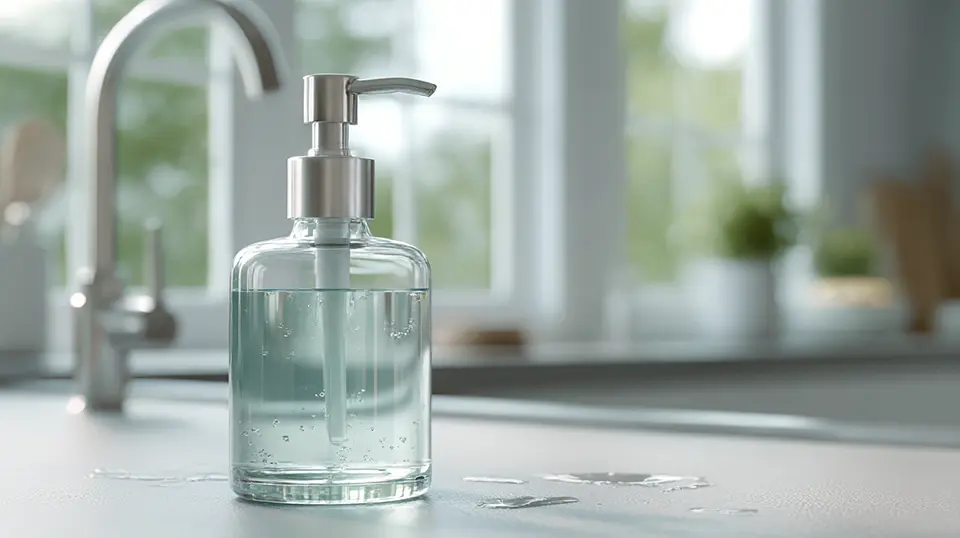
Consumer specialists have highlighted that small areas of mold on hard surfaces can often be treated using a simple and inexpensive household item: washing-up liquid. According to guidance, a bottle of washing-up liquid—available for as little as €0.71 in some supermarkets—can be effective for minor mold patches on non-porous surfaces such as walls and floors.
This approach is intended for surface-level mold only and is not a substitute for professional remediation in cases of extensive contamination.

Source: Wikimedia Commons, CC BY-SA 4.0
Recommended Cleaning Process
Specialists outline a structured approach to cleaning small mold-affected areas safely and effectively:
- Surface Preparation
Loose mold spores should first be gently removed using a soft brush or vacuum cleaner. - Soap Application
A few drops of washing-up liquid should be mixed with warm water and applied using a sponge or cloth. - Repetition and Rinsing
Cleaning tools should be rinsed thoroughly between rounds. - Vinegar Treatment
A solution of equal parts white vinegar and warm water may be used for persistent staining. - Thorough Drying
The area must be dried completely to prevent regrowth.
Experts caution that bleach is not always effective on porous materials and should not be mixed with other cleaning products due to safety risks.
Limitations of Surface Cleaning
While washing-up liquid and vinegar can remove visible mold on hard surfaces, specialists emphasize that this method addresses symptoms rather than root causes.
Surface cleaning does not:
- eliminate hidden mold behind walls or under floors
- repair leaks or dampness
- resolve condensation or humidity issues
- prevent regrowth if moisture persists
For recurring mold, structural damp, or large affected areas, professional assessment is strongly advised.
Preventing Mold From Returning
Specialists recommend focusing on moisture control and ventilation:
- ventilating rooms daily, even during cold weather
- using extractor fans consistently
- avoiding indoor clothes drying when possible
- using a dehumidifier in moisture-prone areas
- maintaining steady indoor heating
- ensuring proper insulation

Source: Wikimedia Commons, CC BY-SA
Why Prevention Is More Cost-Effective Than Remediation
Although low-cost cleaning solutions appeal to budget-conscious households, experts stress that prevention remains the most economical strategy in the long term. Unchecked mold can lead to:
- damage to walls, flooring, and furnishings
- increased heating inefficiency
- higher repair and renovation costs
- recurring health-related expenses
Mold in the Context of Winter Weather
Cold weather events, including prolonged frost and snowfall, increase reliance on indoor drying and heating. Without careful management, these necessary behaviors inadvertently raise mold risk.
Public health experts encourage households to view mold prevention as part of winter home maintenance—similar to managing heating systems or insulation. The presence of mold should be treated as an indicator of moisture imbalance rather than a standalone cleaning issue.
References
According to PSVP Live