According to SCIENCE ALERT
A Discovery in One of the World’s Most Extreme Environments
Decades after the Chernobyl nuclear disaster, scientists continue to uncover unexpected forms of life thriving in the radiation-affected zone. Among the most striking discoveries are certain fungi that appear capable of surviving—and possibly benefiting from—high levels of ionizing radiation. Recent research highlights how these organisms exhibit unusual biological properties that may allow them to adapt to environments previously considered too hostile for complex life.
The presence of these fungi in such an extreme setting has prompted researchers to investigate how they function and whether their unique characteristics could have broader scientific applications.

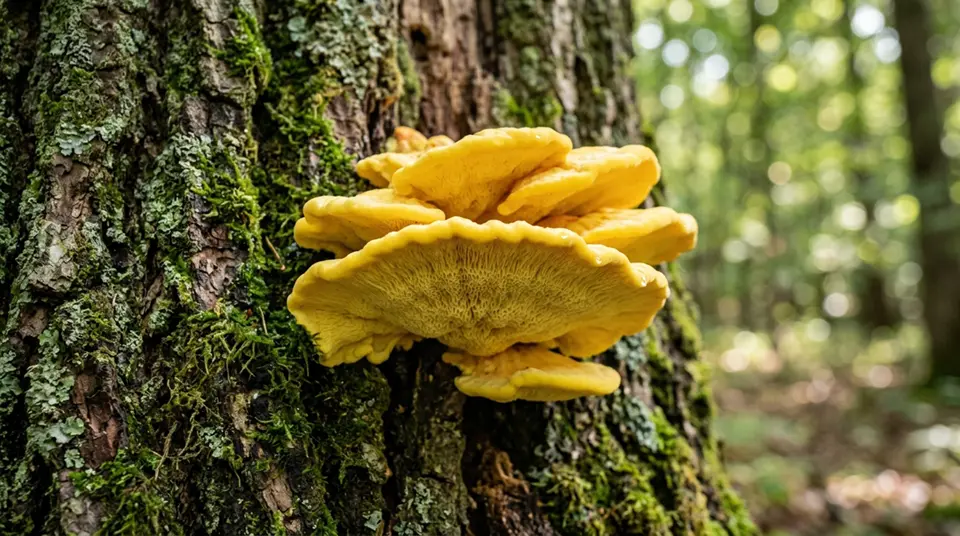
Source: Wikimedia Commons, CC BY-SA 3.0
Radiation and Life: An Unexpected Relationship
Radiation is typically harmful to living organisms, causing damage to DNA, proteins, and cellular structures. However, the fungi identified in the Chernobyl exclusion zone appear to tolerate conditions that would be lethal to many other forms of life.
Scientists have observed that some of these fungi not only survive but may grow toward radiation sources, a behavior that has drawn comparisons to phototropism in plants. This phenomenon suggests that the fungi may interact with radiation in a way that supports or enhances their growth under certain conditions.
While the exact mechanisms remain under investigation, researchers consider this behavior a significant departure from conventional understanding of how organisms respond to radiation.
The Role of Melanin in Fungal Adaptation
One of the key features of these fungi is the presence of melanin, a pigment commonly associated with skin color in humans and protective functions in various organisms. In fungi, melanin is believed to play a role in shielding cells from environmental stress, including radiation.
Studies suggest that melanin may enable these fungi to convert radiation into a form of chemical energy, a process sometimes described as radiosynthesis. This concept proposes that radiation, instead of being purely destructive, could be partially harnessed by melanized fungi to support metabolic activity.
Although the exact efficiency and biological significance of this process are still being studied, the findings indicate that melanin-rich fungi possess a unique survival strategy.
Fungal Species Found in Chernobyl
Several fungal species have been identified in the Chernobyl environment, particularly those known for their resilience in extreme conditions. These include Cladosporium sphaerospermum, Cryptococcus neoformans, and Wangiella dermatitidis, all of which are characterized by their dark pigmentation and ability to withstand environmental stress.
These species are often referred to as radiotrophic fungi due to their apparent interaction with radiation. Their presence in Chernobyl provides a natural laboratory for studying how life adapts to high-radiation environments.
Implications for Space Exploration
One of the most intriguing aspects of this research is its potential relevance to space exploration. Environments with high radiation levels are not unique to nuclear disaster sites; they are also found in outer space.
Scientists are exploring whether radiotrophic fungi could be used to protect astronauts from radiation exposure during long-duration missions. For example, fungal layers or bio-based materials incorporating melanin could potentially serve as shielding in spacecraft or habitats.
The ability of these organisms to survive in extreme conditions makes them candidates for further study in astrobiology and space engineering.

Source: Wikimedia Commons, Public Domain
Potential Applications in Environmental Cleanup
Beyond space research, these fungi may have applications in environmental remediation. Their ability to survive in contaminated environments suggests they could be used to help manage or stabilize radioactive waste.
Researchers are investigating whether fungi could be employed to contain or transform hazardous materials in affected areas. While practical applications are still in early stages, the concept highlights the potential of biological systems to address environmental challenges.
A New Perspective on Extremophiles
The discovery of radiation-tolerant fungi contributes to a broader understanding of extremophiles—organisms that thrive in conditions once thought uninhabitable. These findings challenge traditional assumptions about the limits of life and expand the range of environments considered biologically viable.
Fungi, in particular, are increasingly recognized for their adaptability. Their ability to colonize diverse environments, from deep-sea ecosystems to radioactive zones, underscores their ecological resilience.
Scientific Caution and Ongoing Research
Despite the excitement surrounding these findings, scientists emphasize that much remains unknown. The extent to which fungi can truly “use” radiation as an energy source is still under investigation, and more research is needed to confirm the mechanisms involved.
Researchers are also cautious about overstating the implications of these discoveries. While the fungi demonstrate remarkable adaptability, their behavior does not imply immunity to radiation or unlimited growth under extreme conditions.
The current understanding is based on controlled studies and observations, which continue to evolve as new data emerges.
Broader Implications for Biology and Evolution
The study of Chernobyl fungi offers insights into how organisms can adapt to environmental stress over time. It highlights the role of genetic variation, biochemical processes, and ecological pressures in shaping survival strategies.
These findings may also inform research in other areas, such as medicine, materials science, and climate adaptation. Understanding how organisms respond to extreme conditions can provide valuable knowledge for developing new technologies and approaches.
A Reminder of Nature’s Resilience
The presence of thriving fungi in one of the most contaminated environments on Earth serves as a reminder of the resilience of life. Even in the aftermath of a nuclear disaster, biological systems continue to adapt and evolve.
While the long-term implications of these adaptations are still being studied, the discovery underscores the complexity of ecological responses to environmental stress.
Looking Ahead
Future research will focus on uncovering the molecular mechanisms behind fungal radiation tolerance and exploring practical applications. Scientists aim to determine how these organisms can be safely and effectively used in fields ranging from environmental management to space exploration.
The ongoing study of Chernobyl fungi represents a convergence of microbiology, ecology, and applied science, offering new perspectives on how life interacts with extreme environments.
References
According to SCIENCE ALERT