
According to MEDPAGE TODAY
A Snapshot of Emerging Public Health Concerns
A recent health news roundup presents a wide range of developments across public health, clinical research, and environmental safety. Among these updates, issues related to mold exposure, airborne contaminants, and environmental hazards stand alongside infectious disease trends and healthcare policy debates (World Health Organization).
The collection of reports illustrates how modern public health challenges are increasingly interconnected, spanning environmental, medical, and societal dimensions.

CDC Warning on Emerging Drug Risks
One of the key updates involves a warning issued by the Centers for Disease Control and Prevention (CDC) regarding medetomidine, a veterinary sedative found in the illegal drug supply. Health officials caution that its presence may increase the risk of overdose and complicate withdrawal symptoms.
This development reflects broader concerns about evolving drug compositions and the need for healthcare providers to remain vigilant about emerging substances that may affect patient outcomes.
Resurgence of Kratom-Related Exposures
In parallel, a CDC analysis has identified a resurgence in exposures related to kratom-containing products. These substances, sometimes combined with kava, have been associated with adverse health effects in certain cases.
The findings highlight the importance of monitoring non-regulated substances and understanding their potential impact on public health, particularly as usage patterns change over time.
Environmental Contaminants in Healthcare Settings
Researchers have also reported the spread of bacteria tolerant to chlorhexidine, a commonly used antiseptic in healthcare environments. These microorganisms have been found on surfaces and in airborne dust, raising concerns about infection control practices (NIH Infection Control).
The presence of resistant bacteria in clinical settings underscores the need for continuous evaluation of sanitation methods and environmental monitoring to prevent hospital-acquired infections.
The collection of reports illustrates how modern public health challenges are increasingly interconnected, spanning environmental, medical, and societal dimensions.
Mold Exposure and Chronic Health Symptoms
Among the environmental health topics, mold exposure is highlighted through a case in which a woman’s chronic fatigue and related symptoms were ultimately linked to hidden mold in her home (CDC Mold Basics). Initially attributed to normal life circumstances, her condition was later associated with environmental factors.
This case reflects ongoing discussions about the role of indoor air quality in health and the challenges of diagnosing conditions with non-specific symptoms. While mold is widely recognized as a trigger for allergies and respiratory issues, its potential connection to broader chronic conditions remains under study (WHO Air Quality).

Airborne Particles and Occupational Risks
The roundup also includes reports of workers developing lung disease linked to silica dust exposure during construction activities. This example illustrates how airborne particles—whether biological, such as mold spores, or mineral, such as silica—can pose significant health risks when inhaled over time (NIOSH Silica Exposure).
Environmental exposure remains a key factor in occupational health, particularly in industries involving construction, manufacturing, or remediation.
Infectious Disease Trends and Monitoring
Public health surveillance continues to track infectious diseases, including rising cases of flea-borne typhus in Los Angeles County and the conclusion of a multi-year mpox outbreak in the Democratic Republic of Congo.
These developments highlight the importance of ongoing monitoring and rapid response to emerging and re-emerging diseases. Changes in environmental conditions, population movement, and public health interventions all influence disease patterns.
Advances in Medical Technology and Care Delivery
The report also notes the use of drones to transport donor blood samples for time-sensitive medical procedures. This innovation reflects how technology is being integrated into healthcare systems to improve efficiency and patient outcomes (FDA Medical Devices).
In addition, regulatory updates, such as new dosing intervals for certain medications, demonstrate ongoing progress in clinical treatment and pharmaceutical development.
Policy Debates and Healthcare Access
Healthcare policy remains a significant theme, with discussions around vaccine mandates, reproductive health legislation, and access to care for vulnerable populations. These issues illustrate the complex interplay between science, policy, and public perception.
The report emphasizes that healthcare systems must navigate not only medical challenges but also social and political factors that influence implementation.
Nutritional and Preventive Health Insights
Research findings on nutrition and cancer treatment outcomes highlight the importance of overall health in determining the effectiveness of medical interventions. Preventive health measures, including diet and lifestyle, continue to play a role in managing disease risk (NIH Nutrition Research).
These insights reinforce the need for a holistic approach to healthcare that considers both treatment and prevention.
Common Environmental Fungal Species
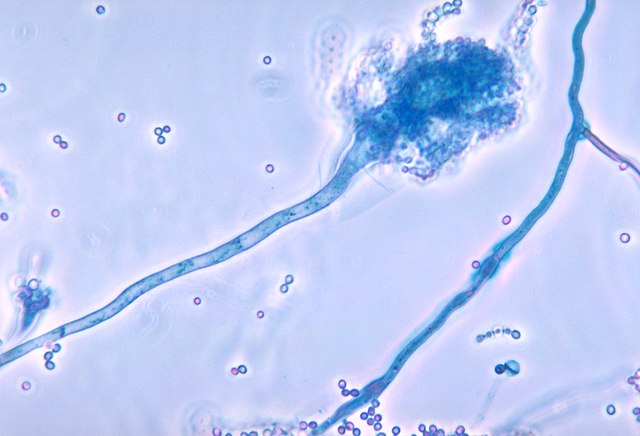
The discussion of mold exposure aligns with commonly identified indoor fungal species such as Aspergillus fumigatus, Penicillium chrysogenum, and Cladosporium cladosporioides. These organisms are frequently found in environments with elevated moisture.
In cases involving prolonged water damage, Stachybotrys chartarum may also be present. These fungi release spores that can become airborne, contributing to indoor exposure and potential health effects.
Understanding these species provides context for the environmental health issues referenced in the report.
Interconnected Nature of Modern Health Risks
The range of topics covered in the report illustrates how modern health risks are interconnected. Environmental exposure, infectious disease, substance use, and healthcare access all influence overall public health outcomes.
Addressing these challenges requires coordinated efforts across multiple disciplines, including medicine, environmental science, and public policy.
The Importance of Ongoing Surveillance
A consistent theme throughout the report is the importance of surveillance and data collection. Whether monitoring drug trends, environmental contaminants, or disease outbreaks, timely information is essential for effective response.
Public health systems rely on continuous observation and analysis to identify emerging risks and implement appropriate interventions.
A Complex and Evolving Health Landscape
The collection of updates reflects a health landscape that is both complex and rapidly evolving. New challenges emerge alongside ongoing concerns, requiring adaptability and collaboration among healthcare professionals and policymakers.
From mold exposure to infectious disease control, the issues highlighted demonstrate the breadth of factors influencing public health today.
References
According to MEDPAGE TODAY