According to ALLRECIPES
A Familiar Question with Scientific Complexity
The question of whether moldy cheese is safe to eat is one that surfaces frequently in kitchens around the world. According to a recent report by Allrecipes, the answer is not a simple yes or no. Instead, it depends on the type of cheese, the nature of the mold present, and how the product has been stored.
Cheese, unlike many other foods, is often intentionally associated with mold. Certain varieties are produced using controlled fungal cultures, which contribute to flavor, texture, and appearance. However, this intentional use of mold can also create confusion when unexpected mold appears on other cheeses.

When Mold Is Part of the Product
Some cheeses are specifically designed to contain mold as part of their production process. Blue cheese, for example, are made using species such as Penicillium roqueforti, while soft-ripened cheeses like Brie and Camembert rely on Penicillium camemberti. In these cases, the mold is safe to consume because it is carefully cultivated under controlled conditions.
These molds are not only harmless but essential to the identity of the cheese. They help break down fats and proteins, creating the creamy textures and distinctive flavors that define these products. Removing the mold from such cheeses would fundamentally alter their characteristics.

When Mold Signals Spoilage
In contrast, mold appearing on cheeses that are not meant to contain it can indicate spoilage. Fresh cheeses, including cottage cheese, cream cheese, and ricotta, have high moisture content, making them more susceptible to contamination. Once mold becomes visible, it is often an indication that microorganisms have spread beyond what is visible to the naked eye.
Experts warn that simply scraping off mold from soft cheeses is not sufficient. Because of their texture, mold can penetrate deeply into the product, potentially carrying harmful bacteria along with it. In these cases, the safest recommendation is to discard the entire item.

Hard Cheeses and the Cut-Off Rule
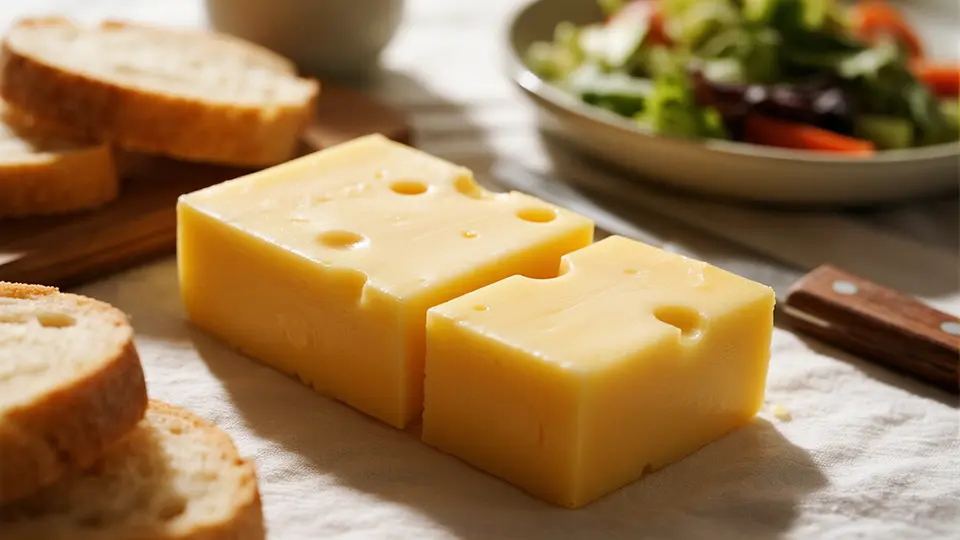
The situation differs for hard and semi-hard cheeses such as cheddar or Parmesan. Due to their dense structure and lower moisture content, mold growth tends to remain more localized on the surface. In such cases, it may be possible to safely remove the affected portion.
Food safety specialists suggest cutting at least one inch (approximately 2.5 centimeters) around and below the moldy area, ensuring that the knife does not touch the contaminated section before cutting further. This method helps prevent cross-contamination and allows the remaining cheese to be consumed safely.

Health Risks and Hidden Dangers
While many molds are harmless, some can produce mycotoxins—substances that may pose health risks when consumed in significant amounts. These toxins are not always visible and may persist even if mold is removed.
For individuals with weakened immune systems, allergies, or respiratory conditions, the risks may be higher. Inhaling or ingesting mold spores can trigger reactions ranging from mild discomfort to more serious complications. This makes careful handling and proper storage of cheese particularly important.

Storage Practices That Matter
Proper storage plays a crucial role in preventing unwanted mold growth. Keeping cheese refrigerated, wrapped in breathable materials, and separated from other foods can reduce the likelihood of contamination. Moisture control is especially important, as damp environments encourage fungal development.
Regular inspection is also recommended. Identifying changes in texture, smell, or appearance early can help prevent accidental consumption of spoiled products.
Balancing Tradition and Safety
Cheese production has long embraced the role of fungi, transforming simple ingredients into complex culinary experiences. However, the line between beneficial and harmful mold remains an important distinction.
Understanding which molds are intentional and which signal spoilage allows consumers to make informed decisions. Rather than relying on assumptions, recognizing the characteristics of different cheese types provides a more reliable guide to safety.
A Practical Approach to Everyday Decisions
Ultimately, the guidance offered by experts reflects a balance between tradition and caution. Mold in cheese is not inherently dangerous, but context matters. By identifying the type of cheese and assessing the extent of contamination, consumers can navigate this common dilemma with greater confidence.
In the quiet moment of opening a refrigerator and noticing a patch of mold, the decision becomes less about guesswork and more about knowledge—an everyday application of food science that connects directly to health and well-being.
References
Pitt, J. I., & Hocking, A. D. (2009). Fungi and Food Spoilage. Springer.
Centers for Disease Control and Prevention (CDC). Mold
According to ALLRECIPES